12 hr
Northern Ireland Coastline & Belfast Day Tour from Dublin
- Expert local guide
- Small group
- Skip-the-line access
- Free cancellation
Dublin to Giant's Causeway Day Trip — Coach, Coastal and Private Itineraries
Leave the Liffey before dawn, stand on basalt by afternoon.
Compare fares, pick the fit — all bookings are mobile-voucher and eligible for free cancellation where shown.
12 hr
14 hr
12 hr
Planning a dublin to giant's causeway day trip requires choosing between coach and private transit options to see the famous basalt columns.
| Standard Coach Tour (Large Coach) |
Top pick Premium Small-Group Tour (Minivan) |
Private Chauffeur Tour (Luxury Vehicle) | |
|---|---|---|---|
| Tour cost tier | Budget-friendly option | Mid-range pricing | Premium rate per group |
| Group size limit | Up to 53 travelers | Maximum 25 travelers | Private group only |
| Dublin pickup | Central meeting point | Select central hotel pickup | Custom doorstep pickup |
| Transport type | Standard touring coach | Premium Mercedes minivan | Luxury private vehicle |
| Visitor centre entry | 16 GBP (not included) | 16 GBP (not included) | 16 GBP (optional add-on) |
| Steps at site | 162 steps on trail | 162 steps on trail | 162 steps on trail |
| Itinerary flexibility | Fixed schedule | Fixed schedule | Fully customizable route |
| Best for | Solo travelers on budget | Comfort-focused first-timers | Families and private parties |
| See tickets & prices |
Verdict: We recommend the small-group dublin to giant's causeway day trip tour for first-timers, but you can also choose larger dublin to giant's causeway day trip tours for budget savings, or purchase independent dublin to giant's causeway day trip tickets for a self-drive itinerary.
Worth it for one-shot visitors, not slow travellers
A dublin to giant's causeway day trip costs you roughly twelve hours and two long motorway legs to stand on a basalt pavement you'll see in about ninety minutes. What you're actually buying is coach logistics: the Antrim coast road, a Belfast stop, and someone else driving while you sleep off the early start. The National Trust Visitor Experience ticket is 16 GBP, though pedestrian access to the stones is free, so check whether your operator bundles it or leaves it as an add-on. The site runs 09:00–18:00 daily, and coaches from Dublin land squarely in the midday crush rather than the calm 09:00–11:00 window. Northern Ireland coastal tours pay off if you have three days in Ireland and no car — the hexagonal columns, Dunluce Castle ruins and Titanic Belfast in one fare is real value. If you have a week, drive up and stay in Bushmills instead.
Bottom line: If Ireland gets four days or fewer and you aren't driving, a Dublin to Giant's Causeway day trip earns its place; otherwise give the Antrim coast an overnight.
While both are legendary, travelers seeking a tactile, climbable rock-stepping experience prefer the northern coast. Choosing a dublin to giant's causeway day trip tour offers unique stone formations and castles, whereas the western cliffs provide massive heights.
|
Top pick Giant's Causeway |
Cliffs of Moher | |
|---|---|---|
| Driving Time from Dublin | ~3 hours one way | ~3 to 3.5 hours one way |
| Visual Landscape Style | Hexagonal stone columns and coastal bays | Sheer sandstone cliffs towering over ocean |
| Side-Trip Stops | Belfast, Dunluce Castle, and Dark Hedges | Galway City, the Burren, and Doolin |
| Border & Currency Logistics | Crosses UK border; uses British Pounds (GBP) | Stays in Republic; uses Euros (EUR) |
| Walking & Physicality | Steep walk or shuttle; 162 stone steps | Gravel pathways along mostly flat cliff edges |
| See tickets & prices |
Verdict: Book dublin to giant's causeway day trip tours if you want a Belfast stop and Dunluce Castle ruins. For those prioritizing dramatic ocean sheer drops and Galway city, the western coast is the better choice. Whichever you choose, securing your dublin to giant's causeway day trip tickets in advance ensures a hassle-free journey across the island.
Hand-picked experiences loved by thousands of travelers
12.5 hours
Free Cancellation
Discover Northern Ireland's top sights, from the columns of the Giant's Causeway to historic Belfast and Dunluce Castle.
8 hours
Free Cancellation
Explore Northern Ireland's iconic coast and historic Belfast landmarks in a customizable, private luxury vehicle.
1 day
Free Cancellation
Journey from Dublin by rail to explore the dramatic Giant’s Causeway and the scenic Glens of Antrim.
8 - 11 hours
Free Cancellation
Explore Belfast's history, Titanic shipyard, and Giant's Causeway on a private day trip from Dublin.
11 hours
Free Cancellation
Discover Northern Ireland’s iconic wonders on a flexible private day trip from Dublin with a personal driver.
12 hours
Free Cancellation
Explore Belfast and the Antrim Coast in comfort on a fully customizable private day tour from Dublin.
13 hours
Free Cancellation
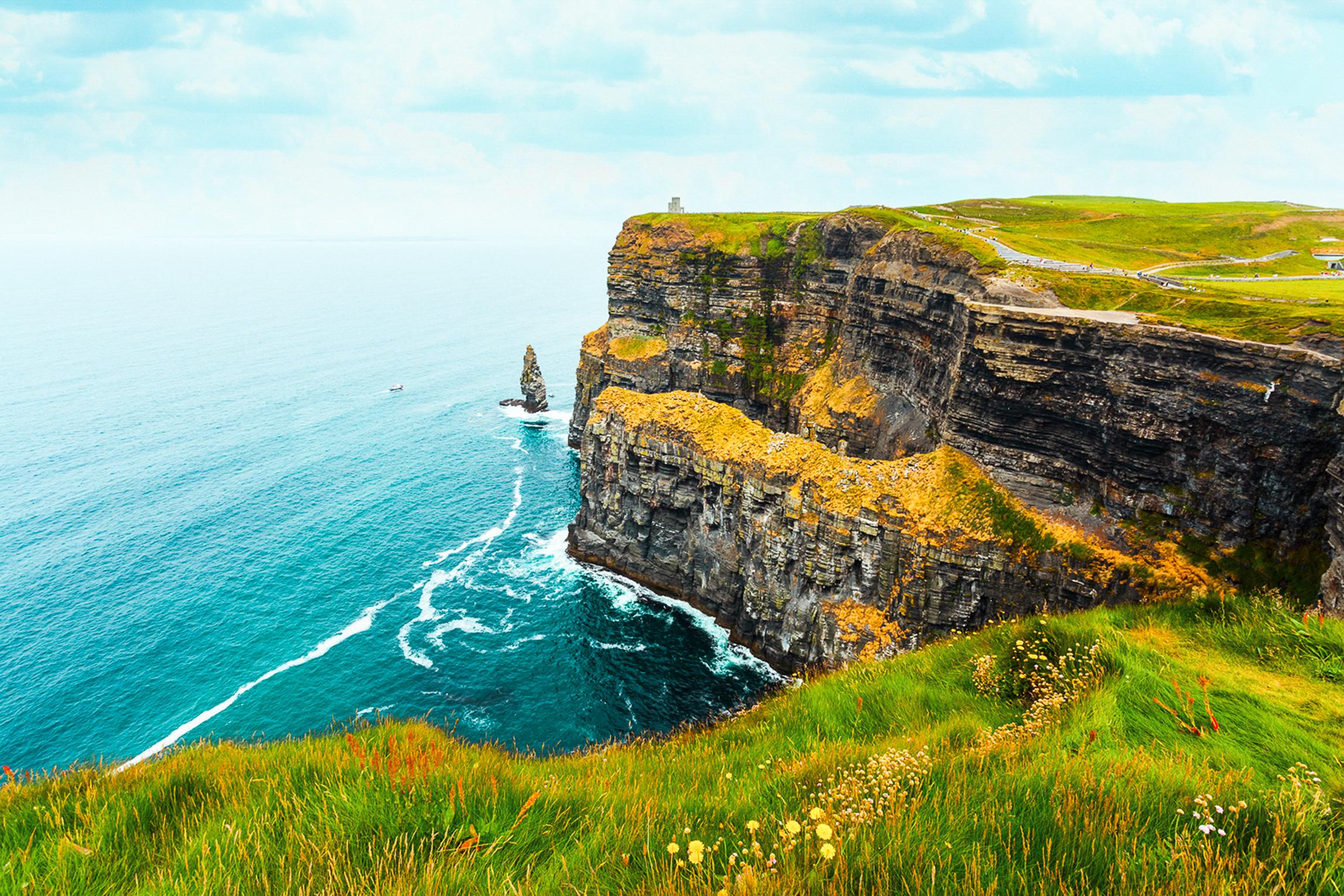
Experience Ireland's wild west coast with visits to the iconic Cliffs of Moher, the rocky Burren, and the colorful streets of Galway.
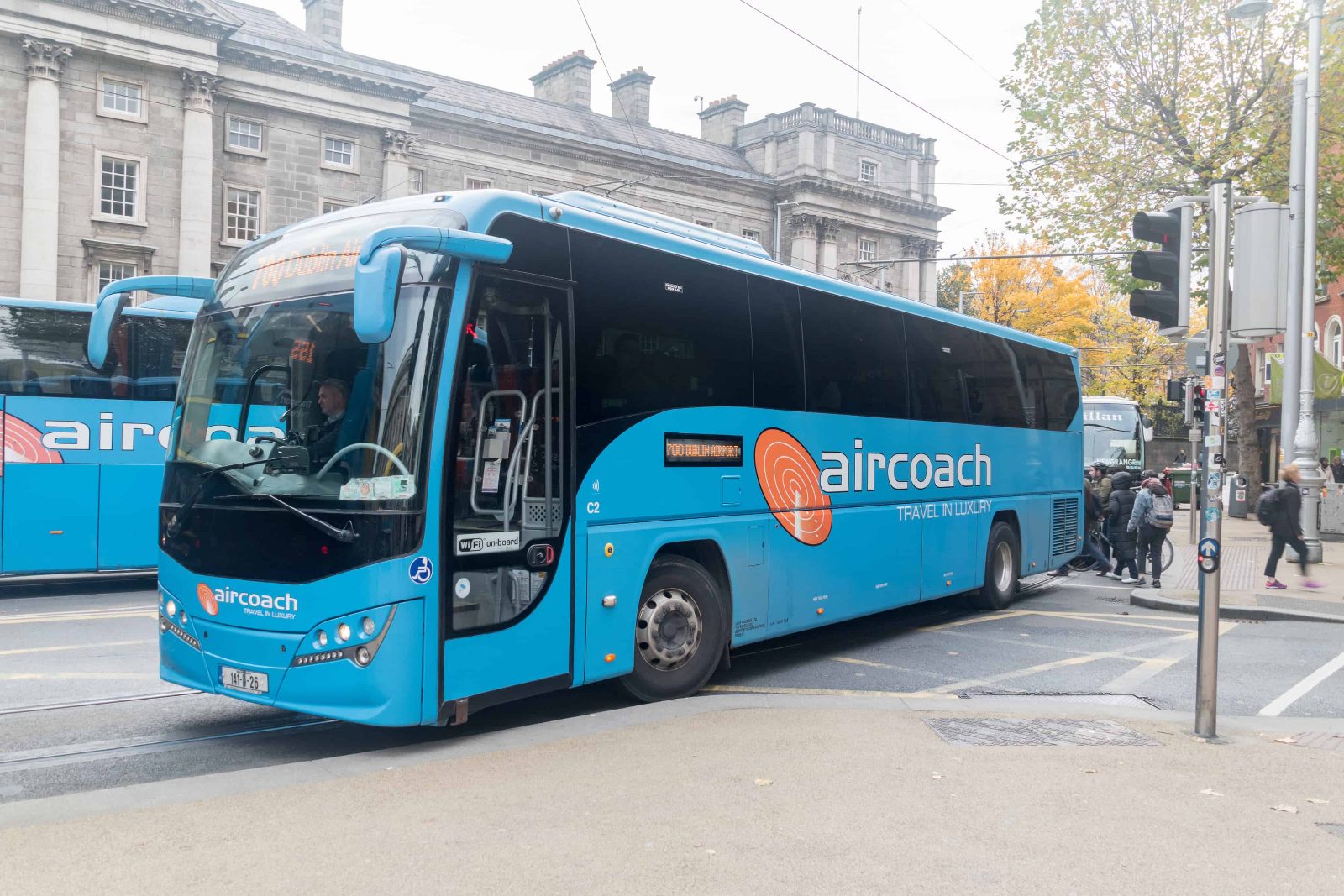
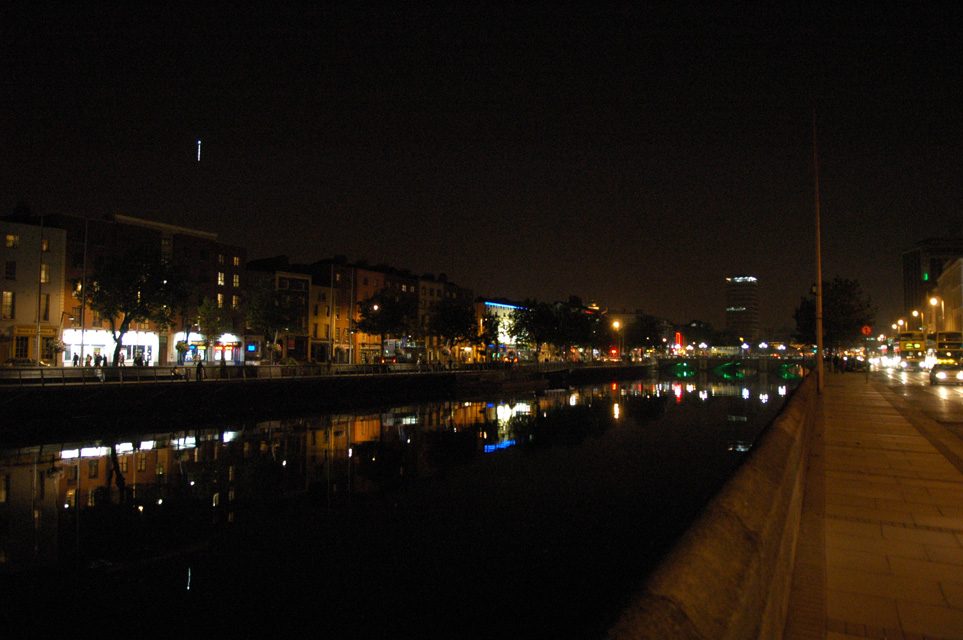
Board the tour coach in central Dublin to begin your Giant's Causeway day trip from Dublin.
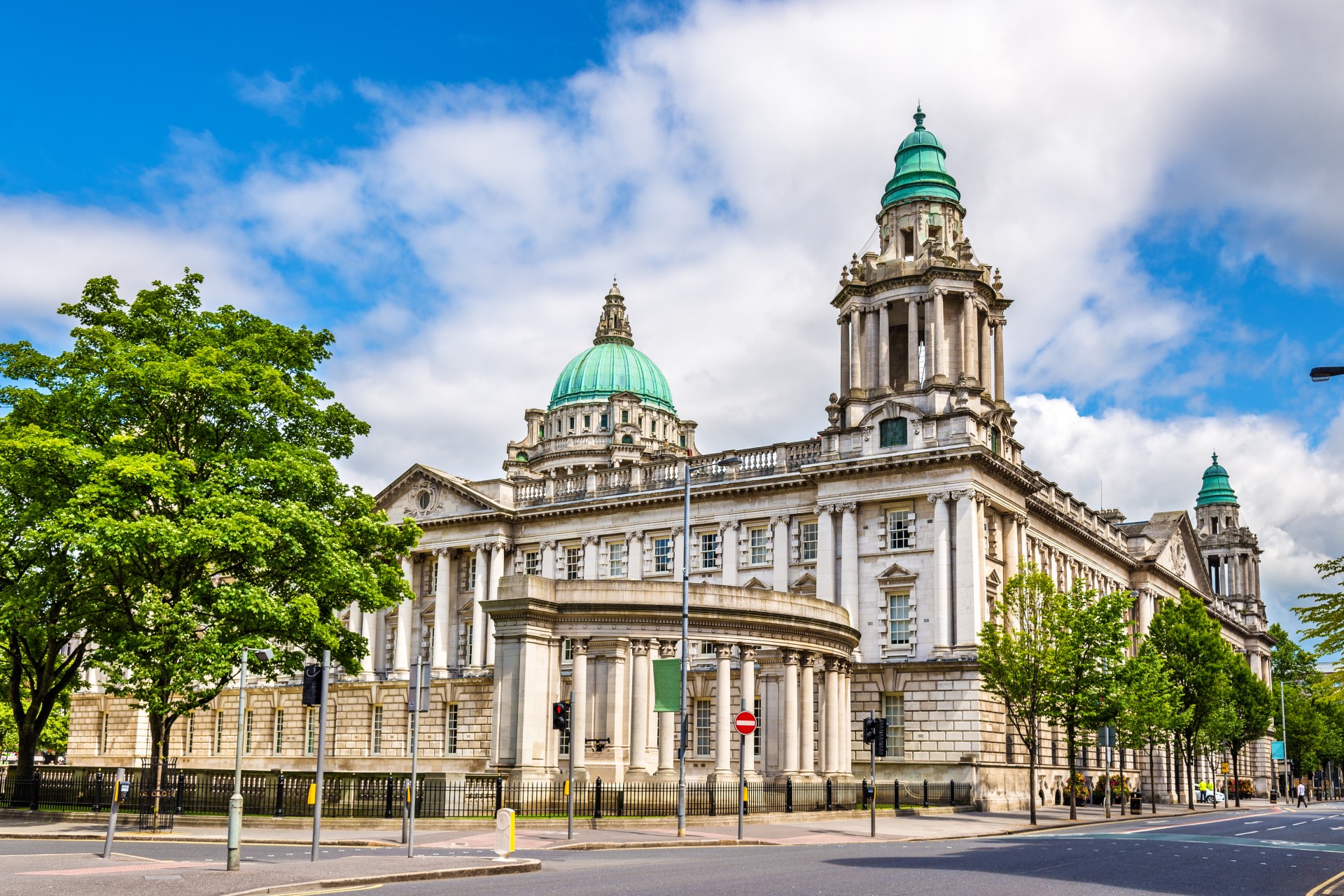
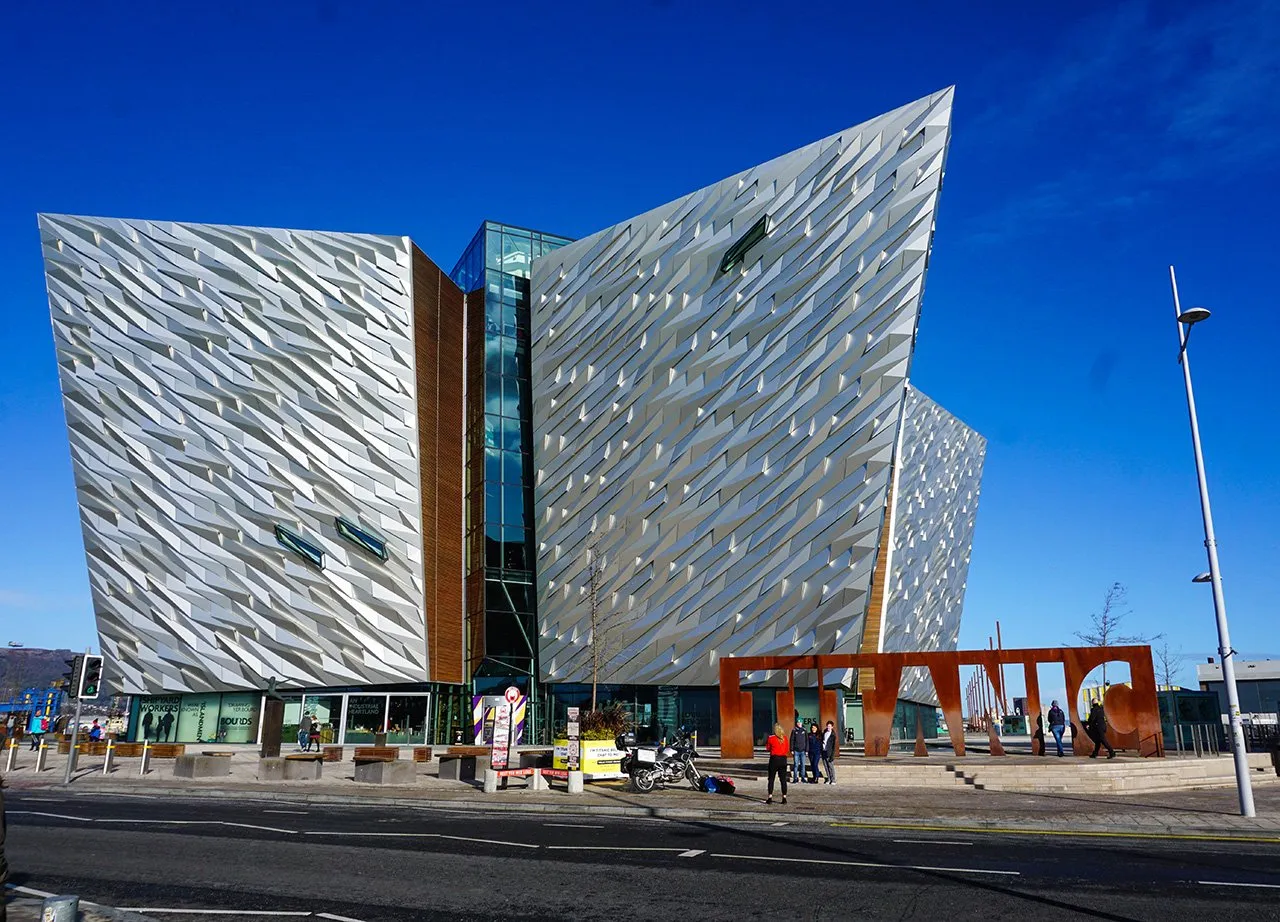
Enjoy a Belfast stop on this Dublin to Northern Ireland highlights tour.
Walk down the main path from the Visitor Centre to climb the basalt columns, visit the Organ, and hike the Shepherd's Steps.
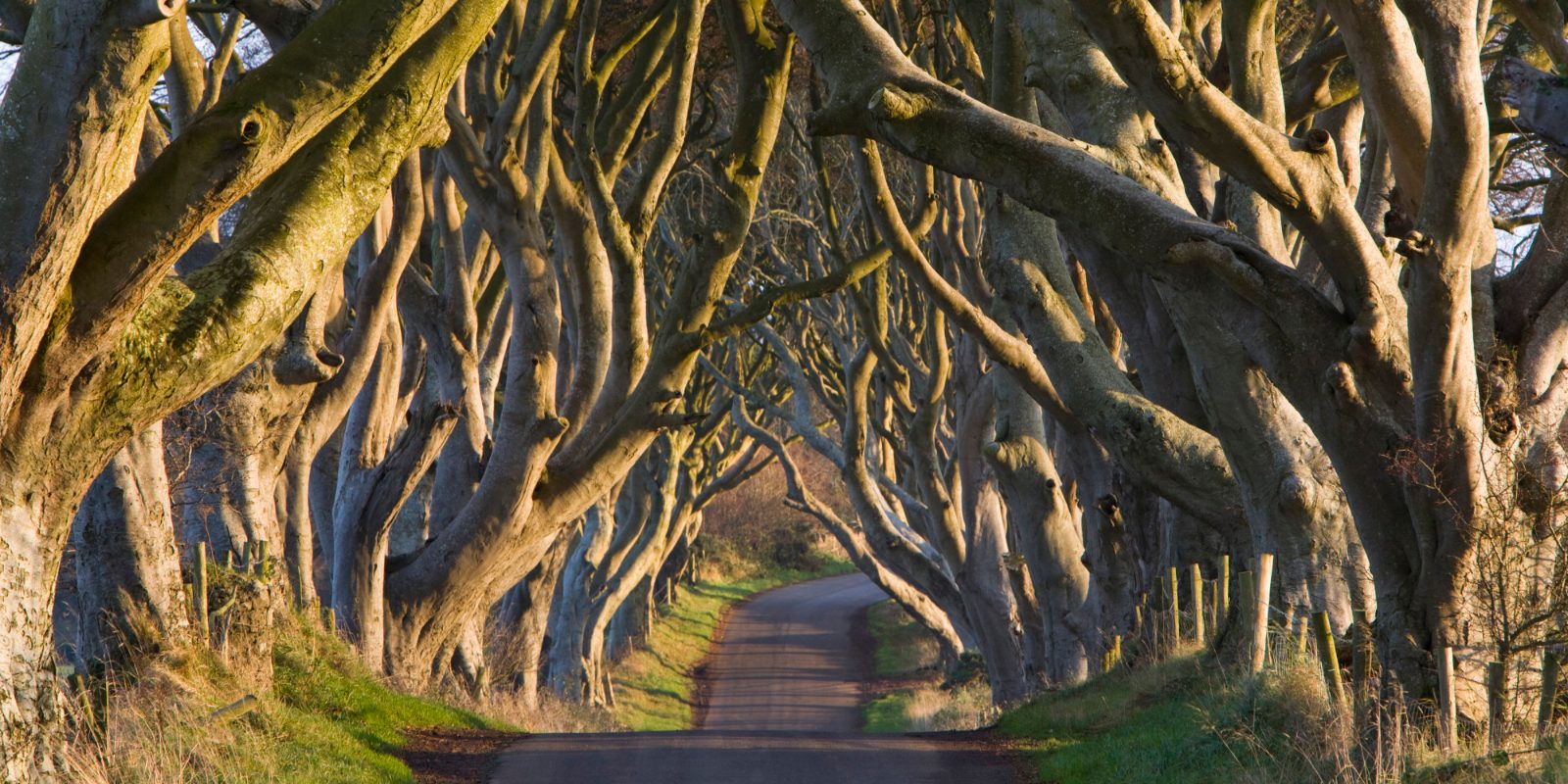
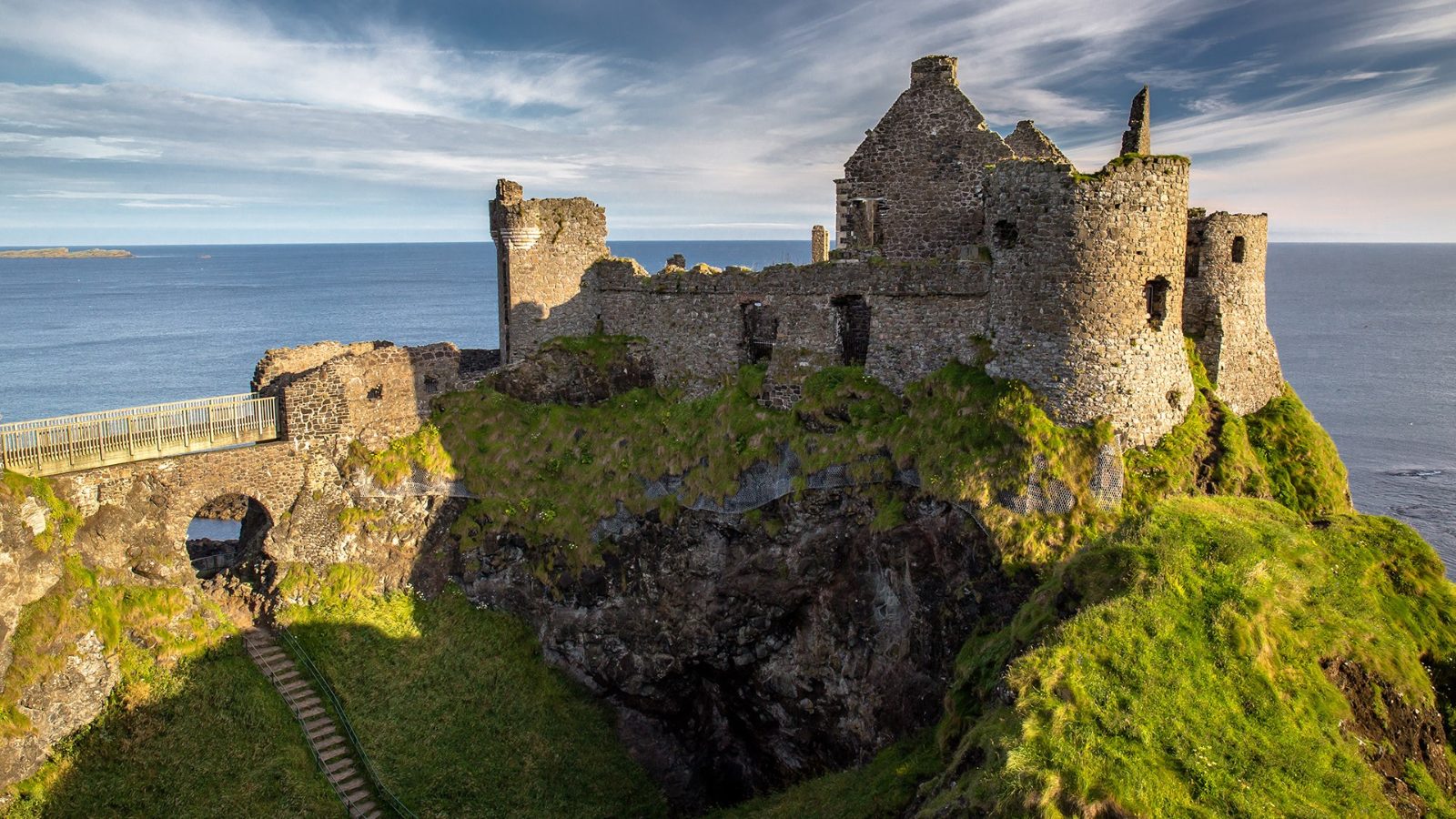
Stop for photographs at the ruins of Dunluce Castle and walk through the historic beech trees of the Dark Hedges.
Relax on the journey back, arriving in Dublin city centre in the mid-to-late evening.
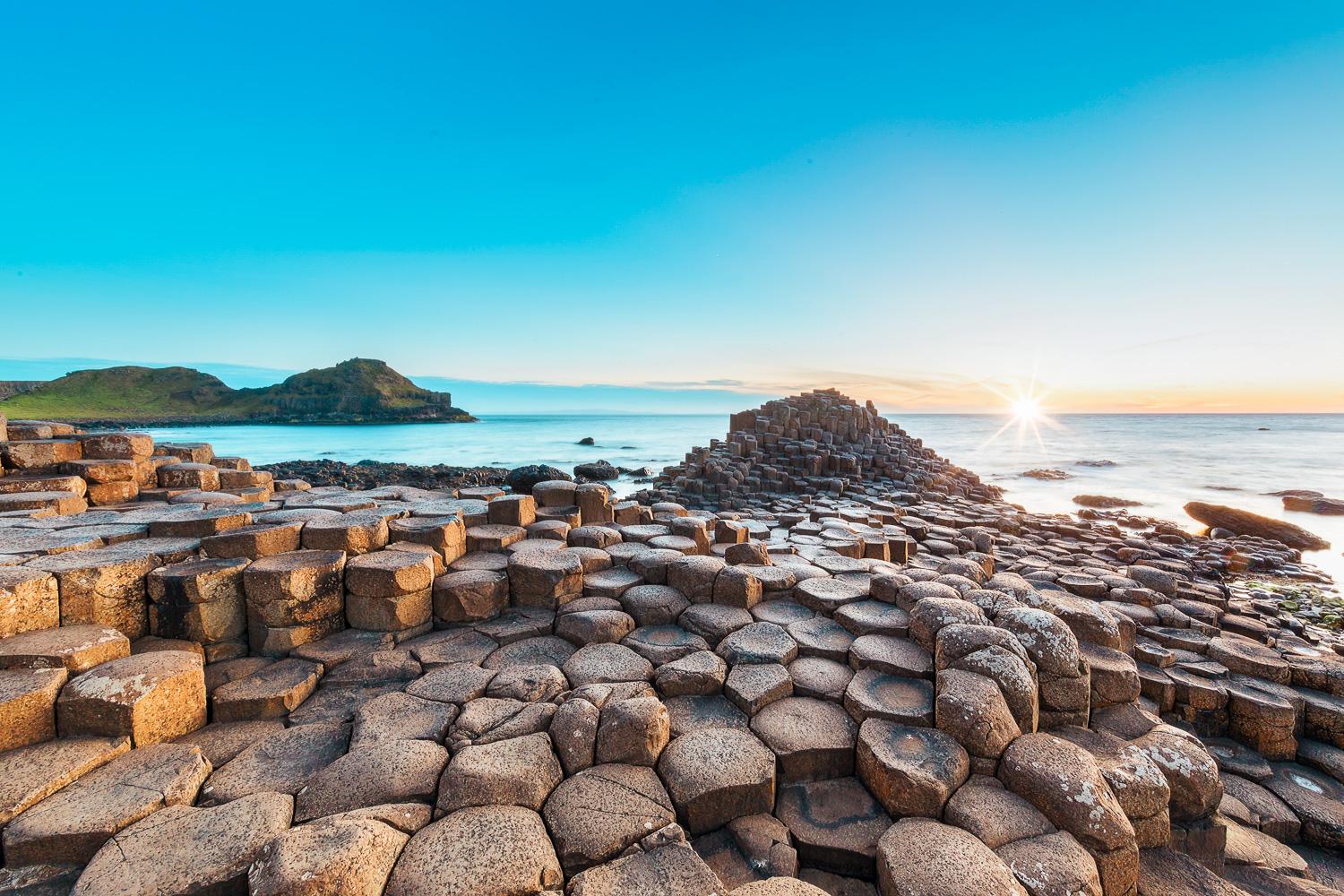
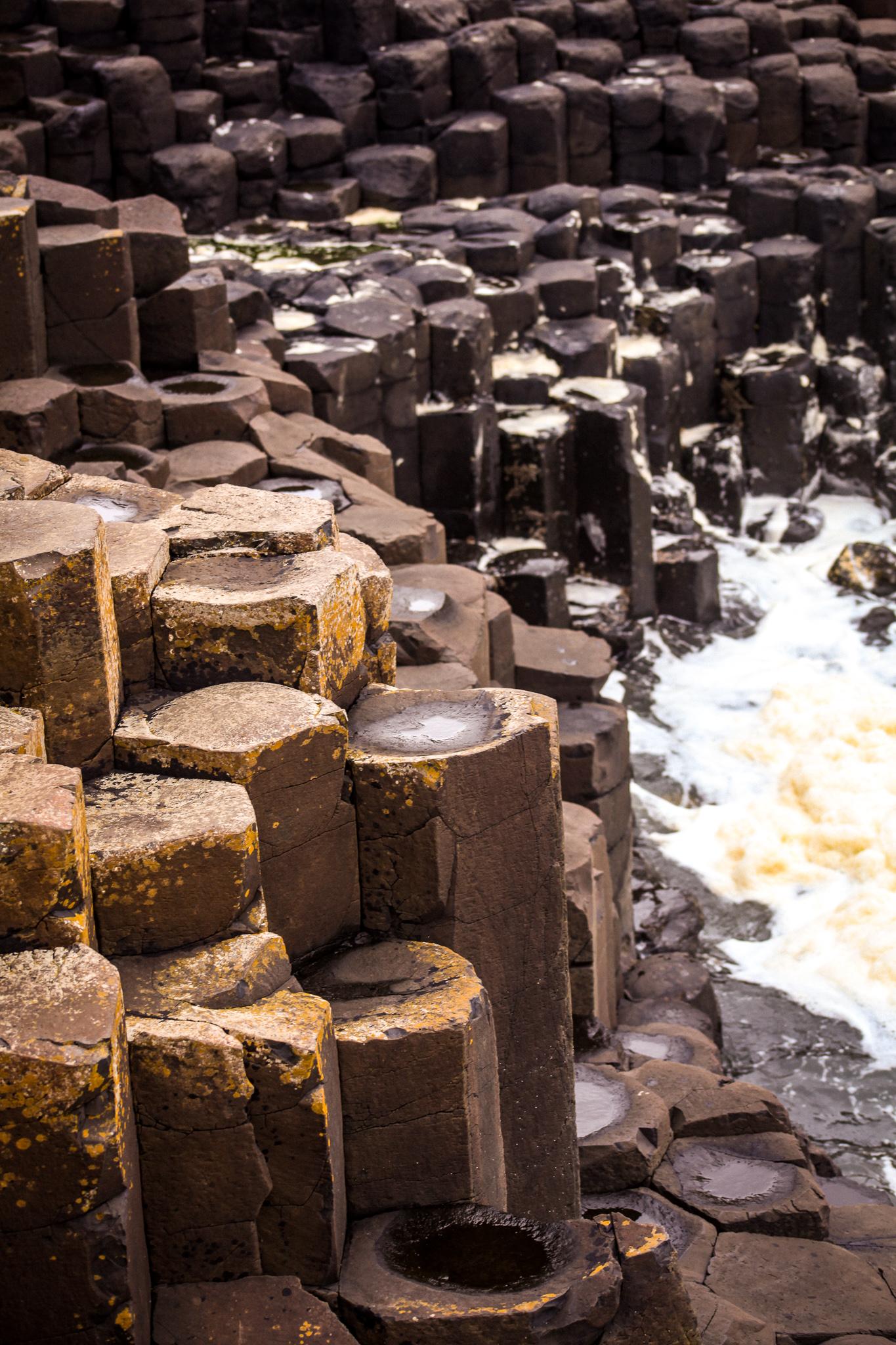
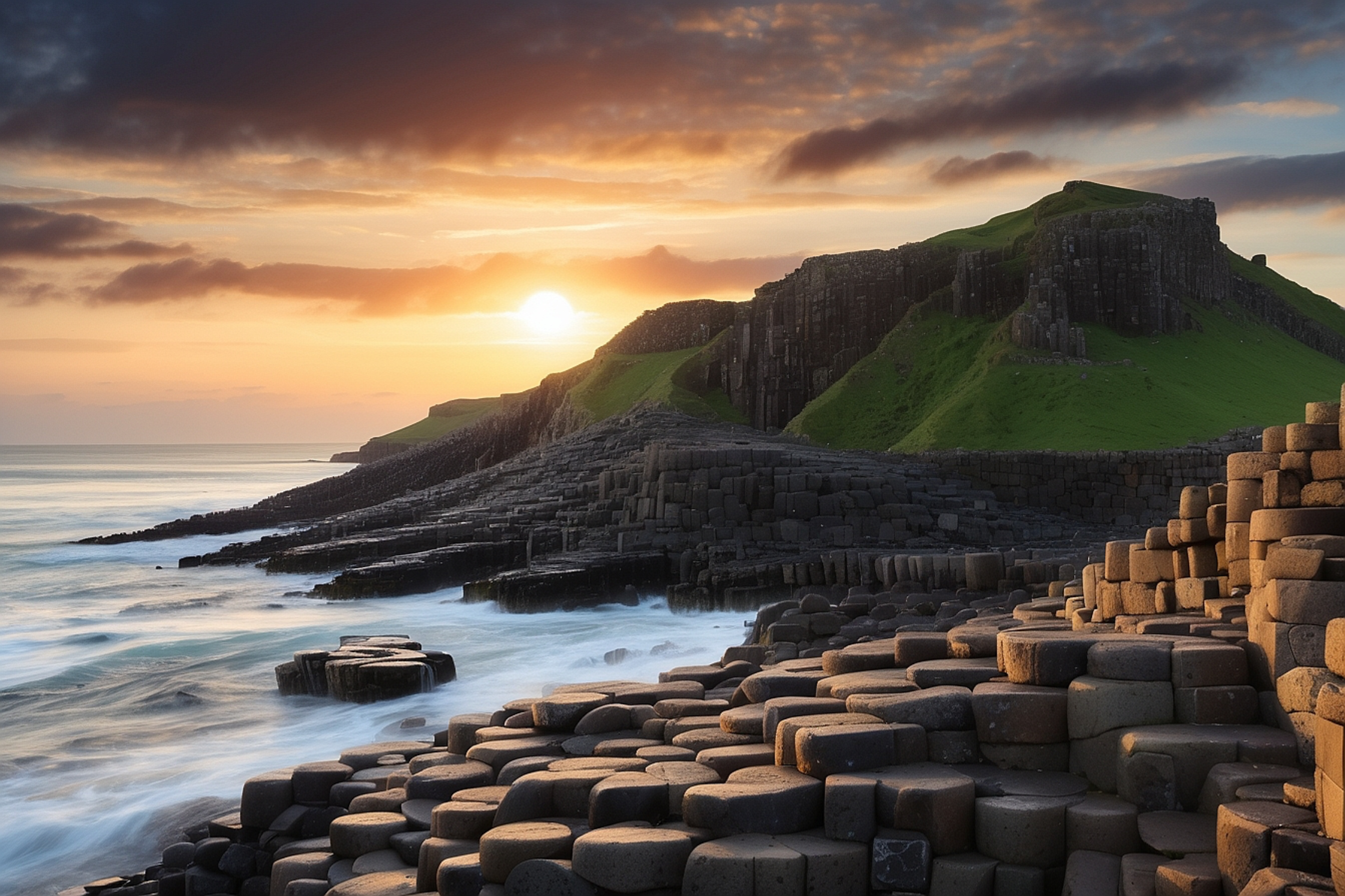
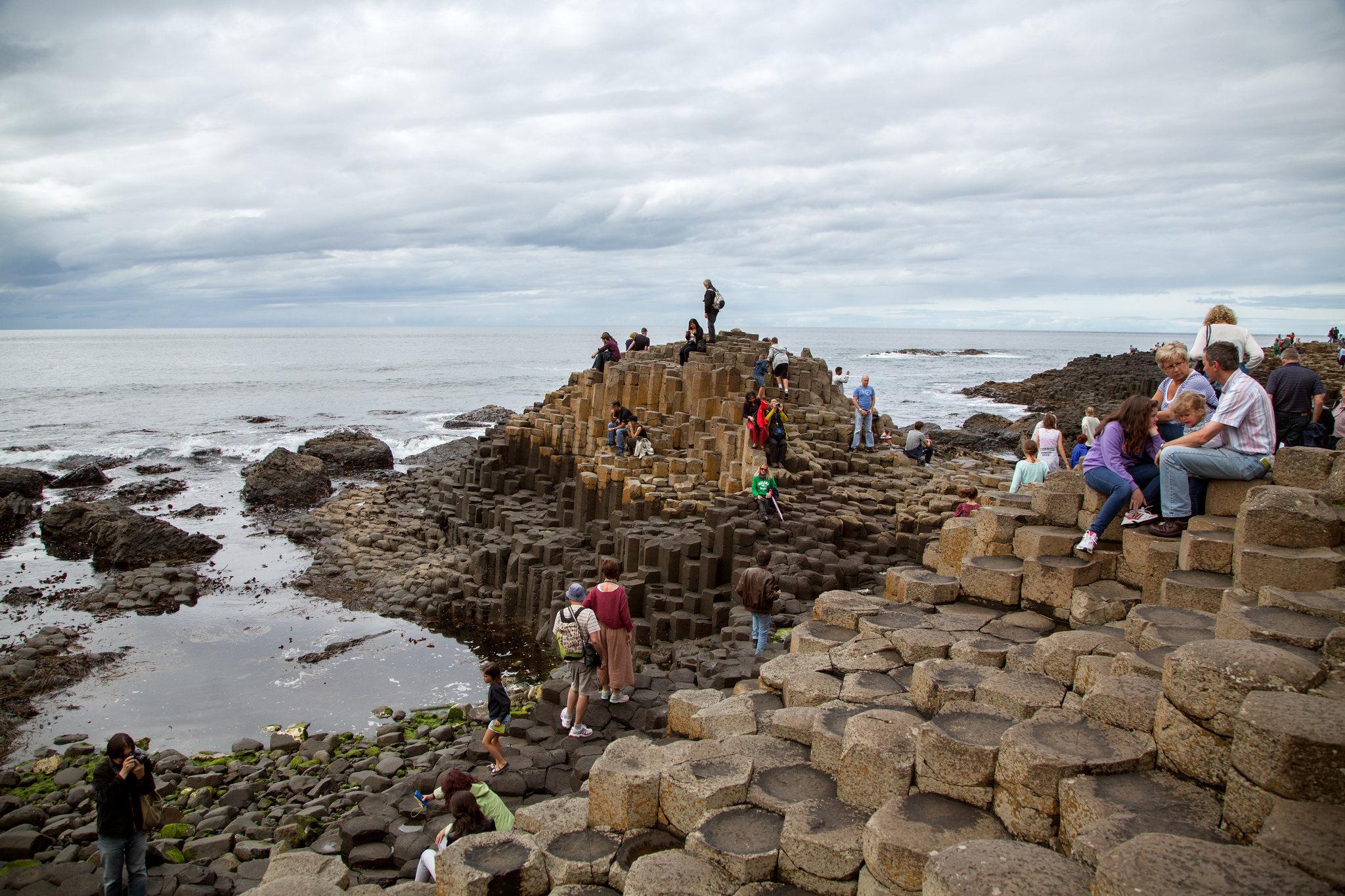
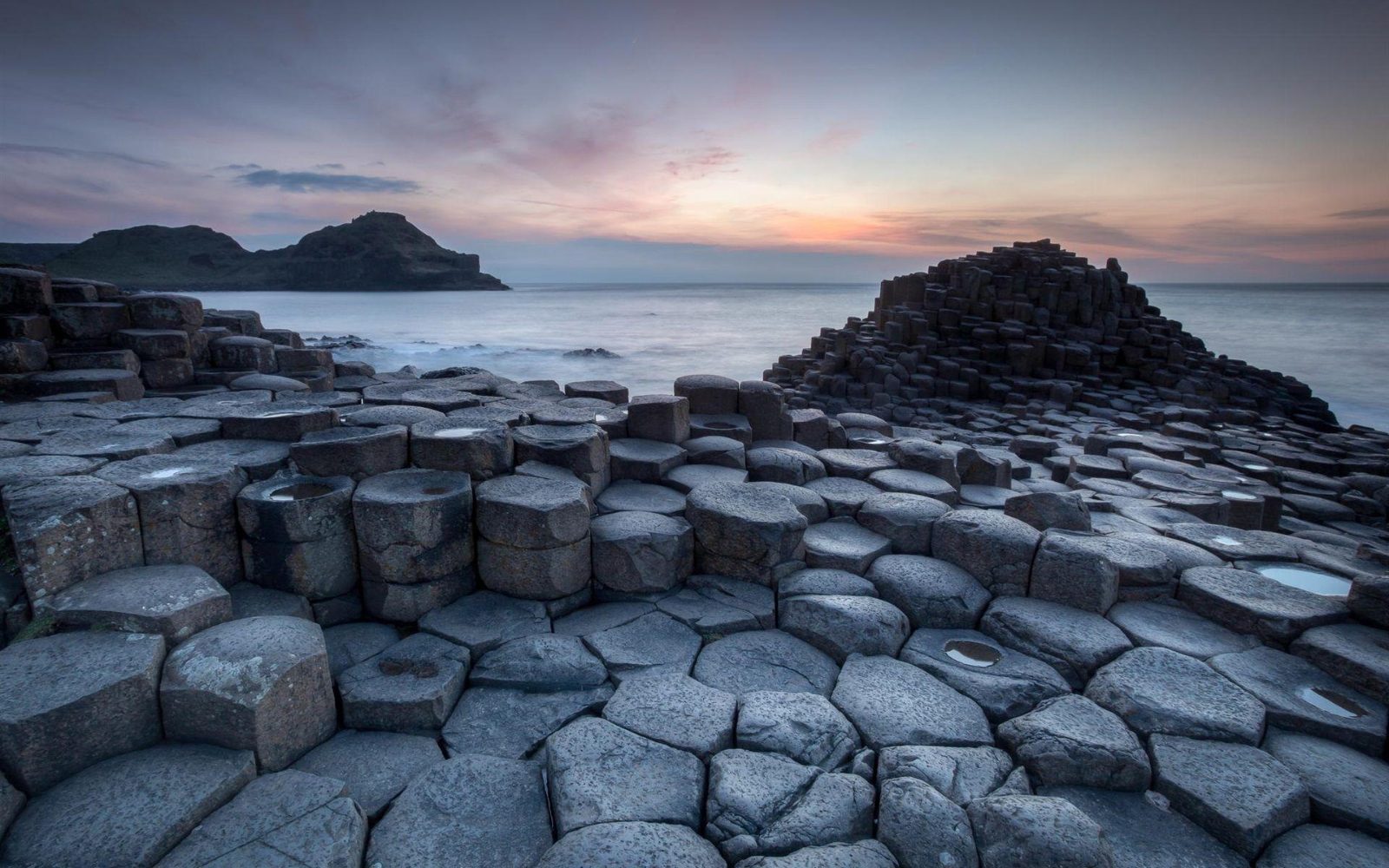
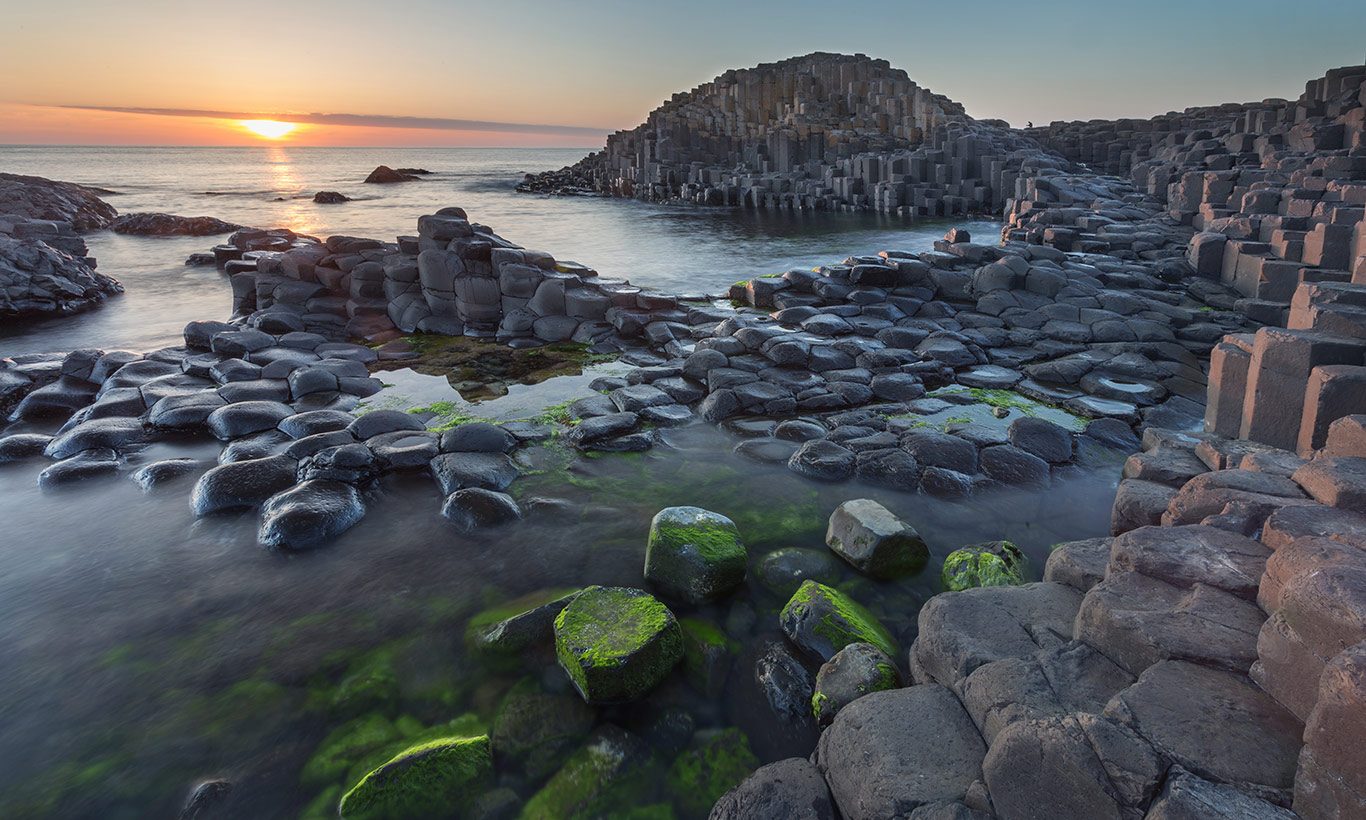
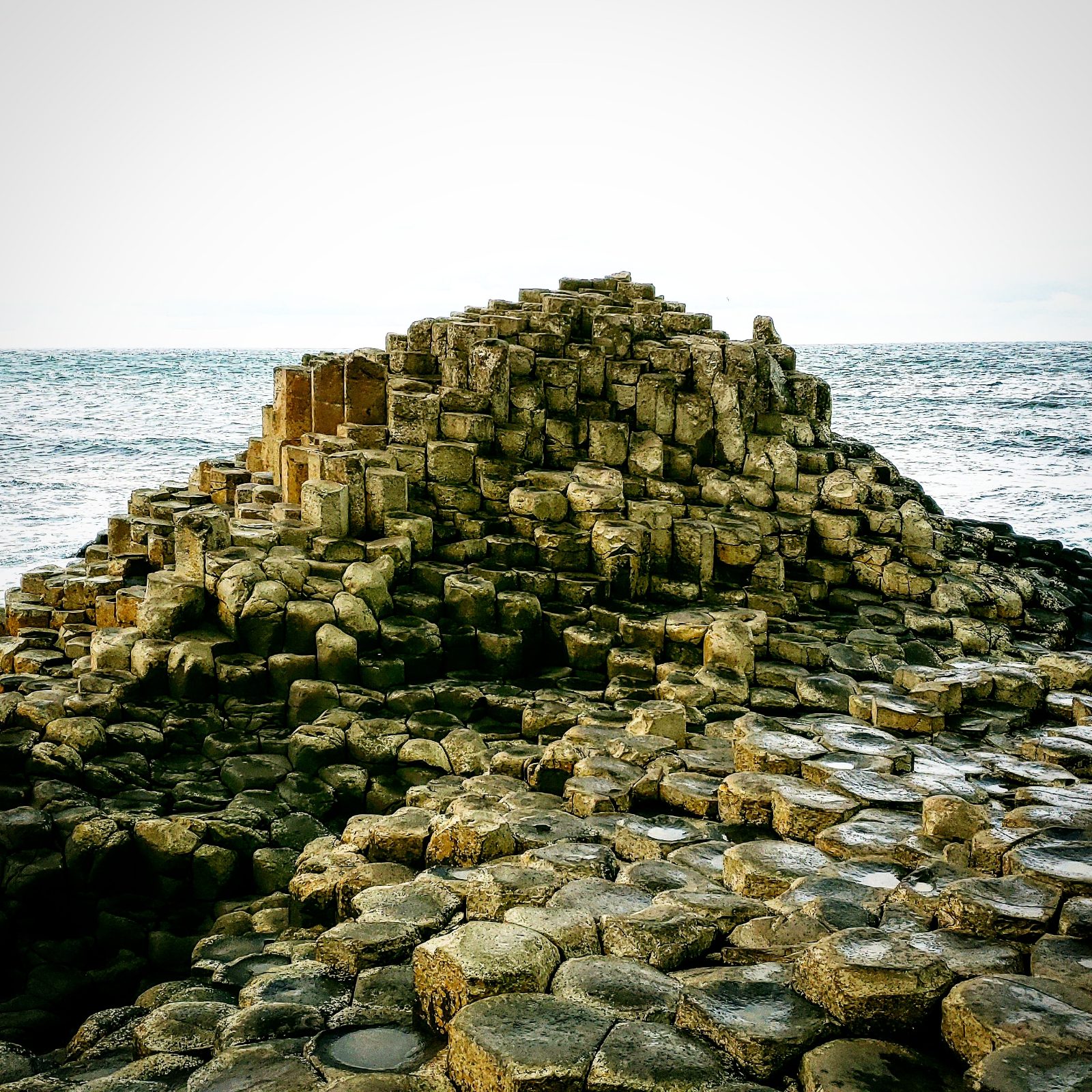
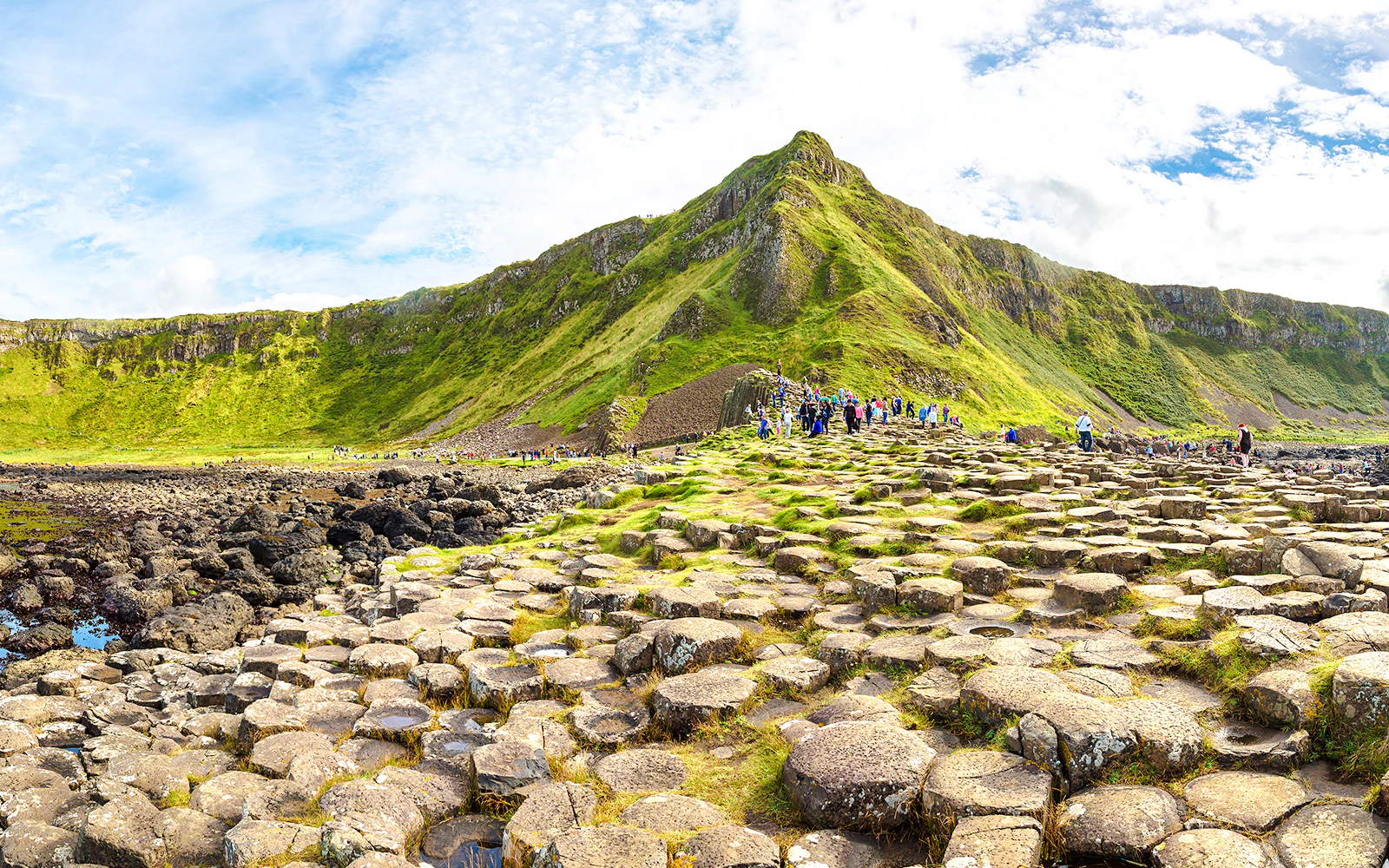
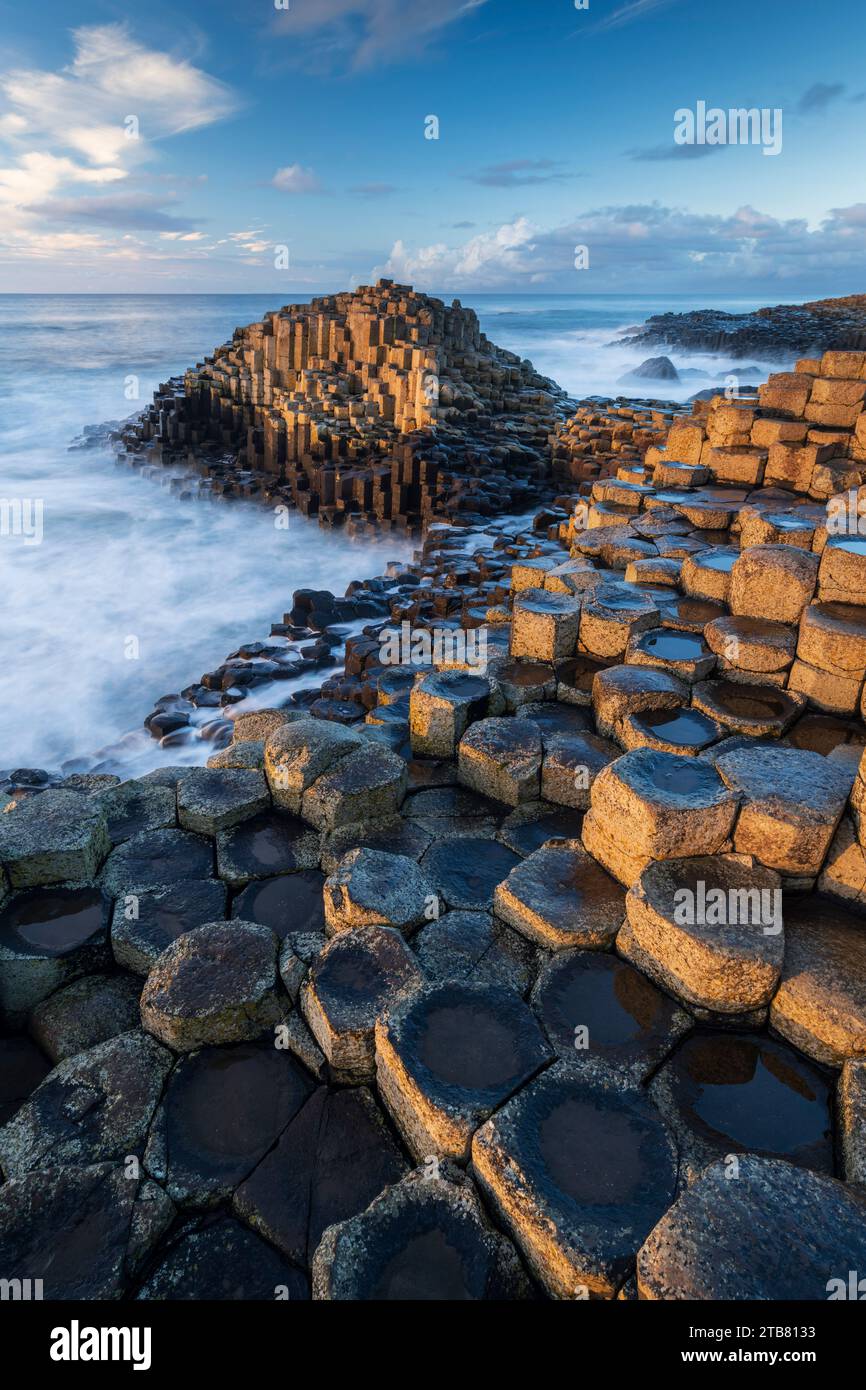
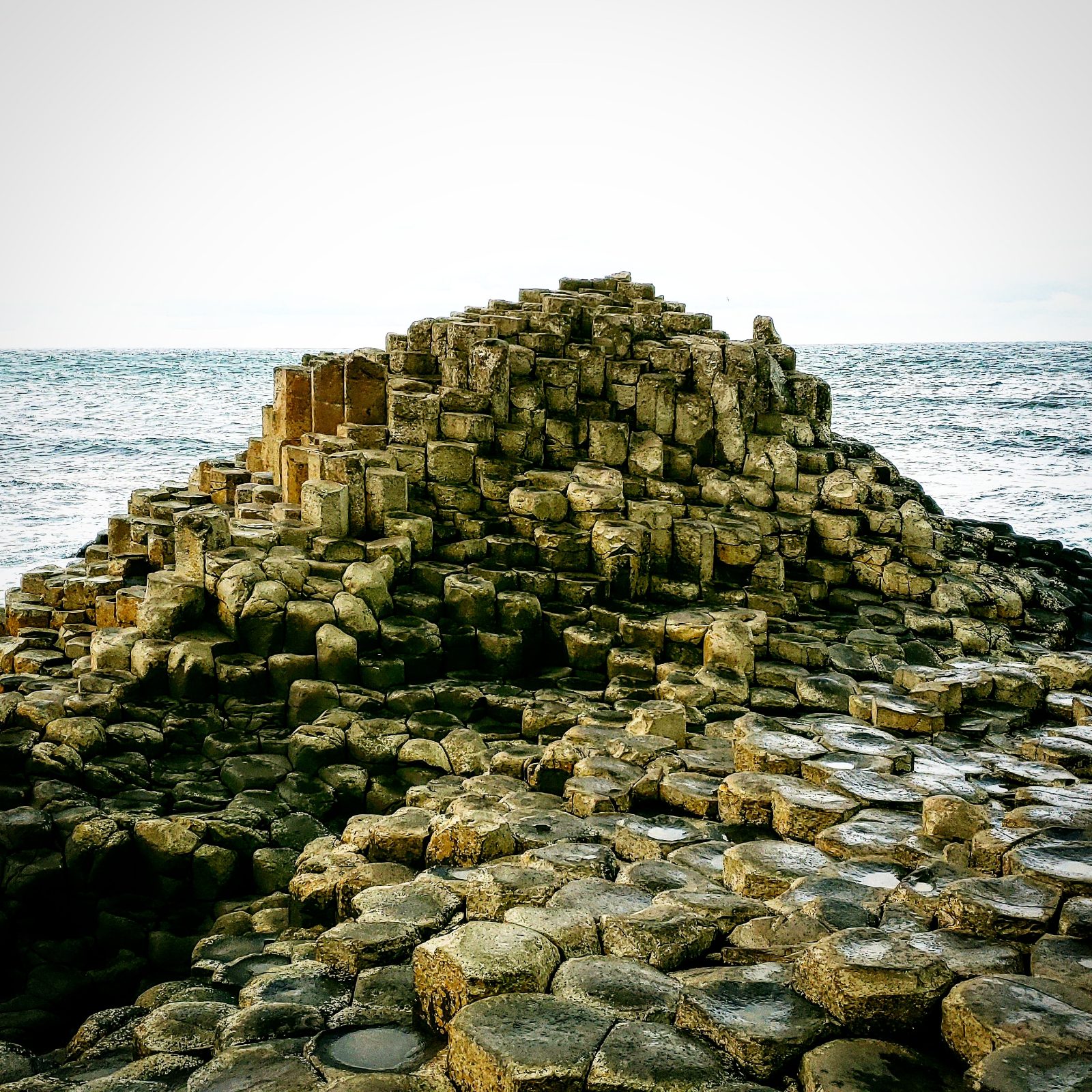
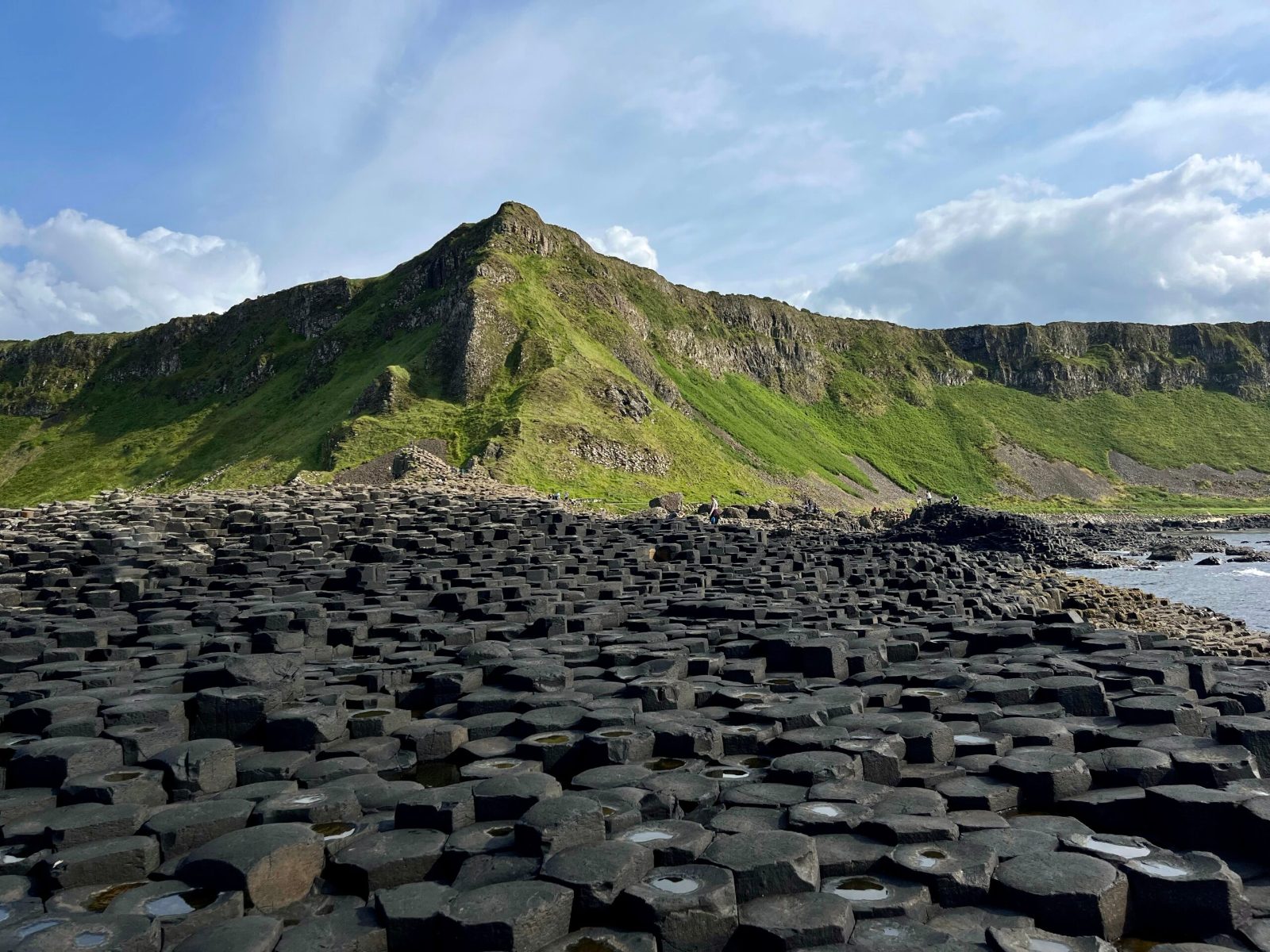
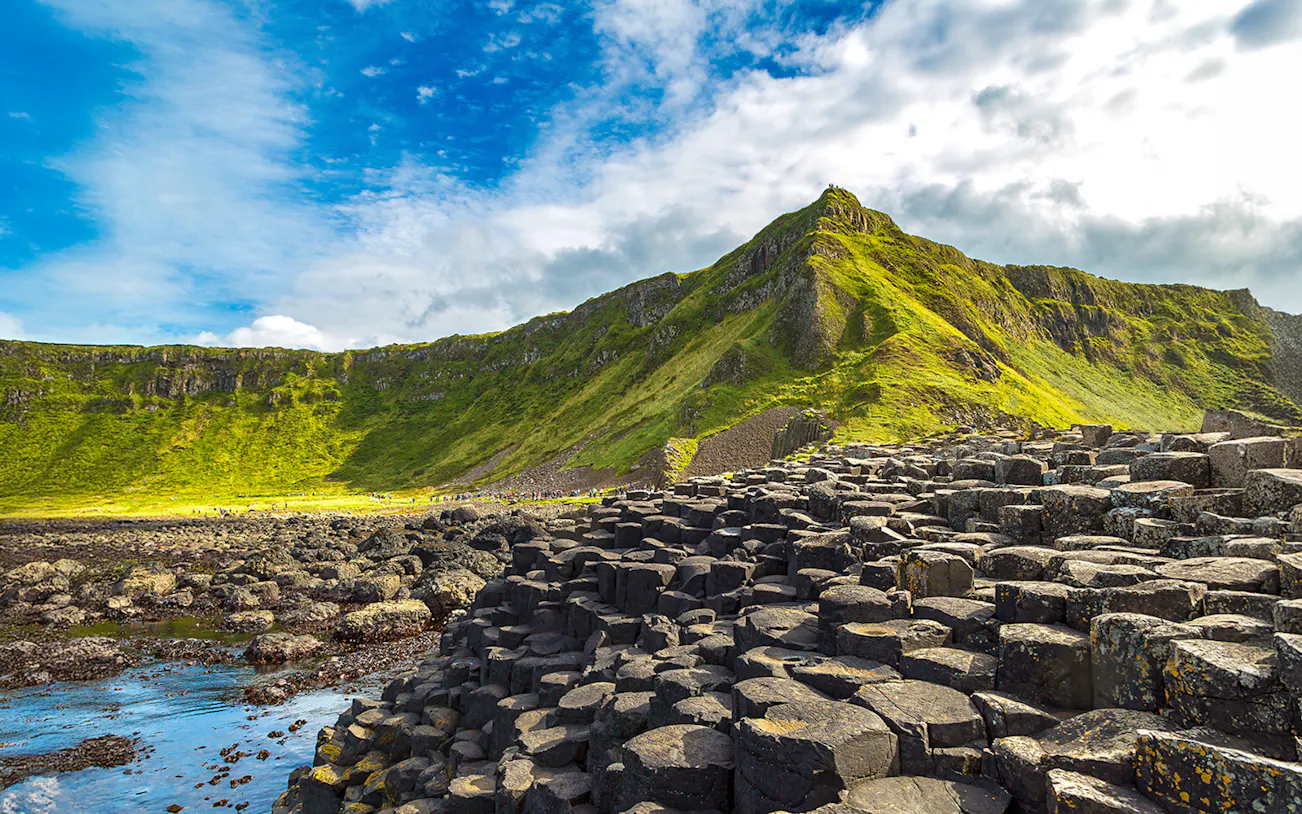
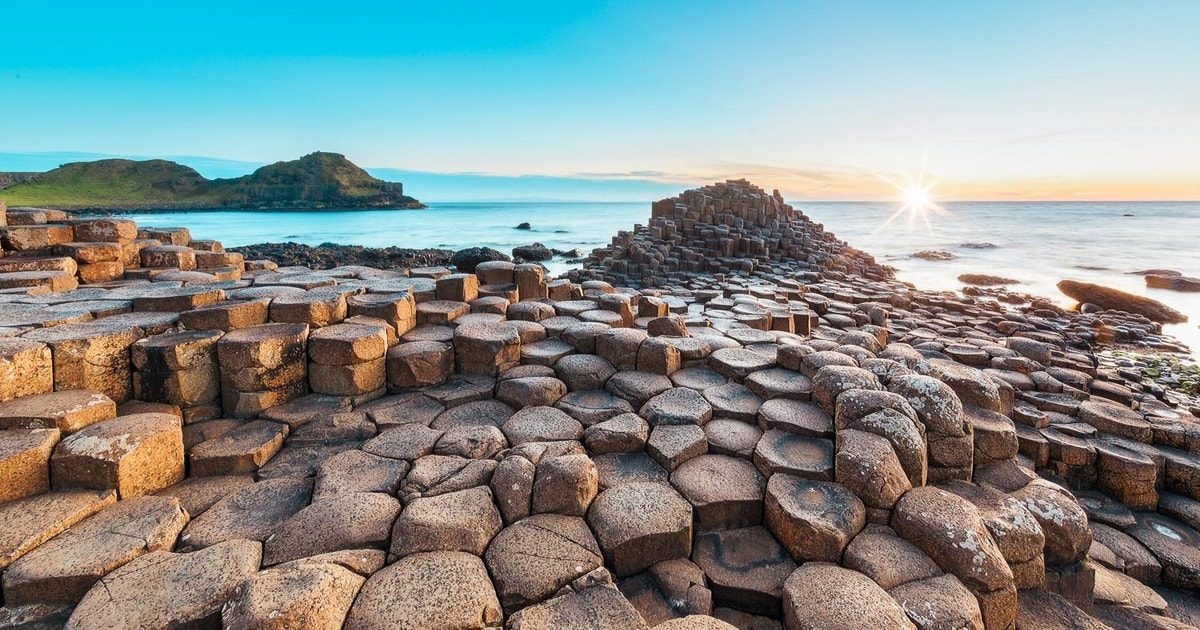
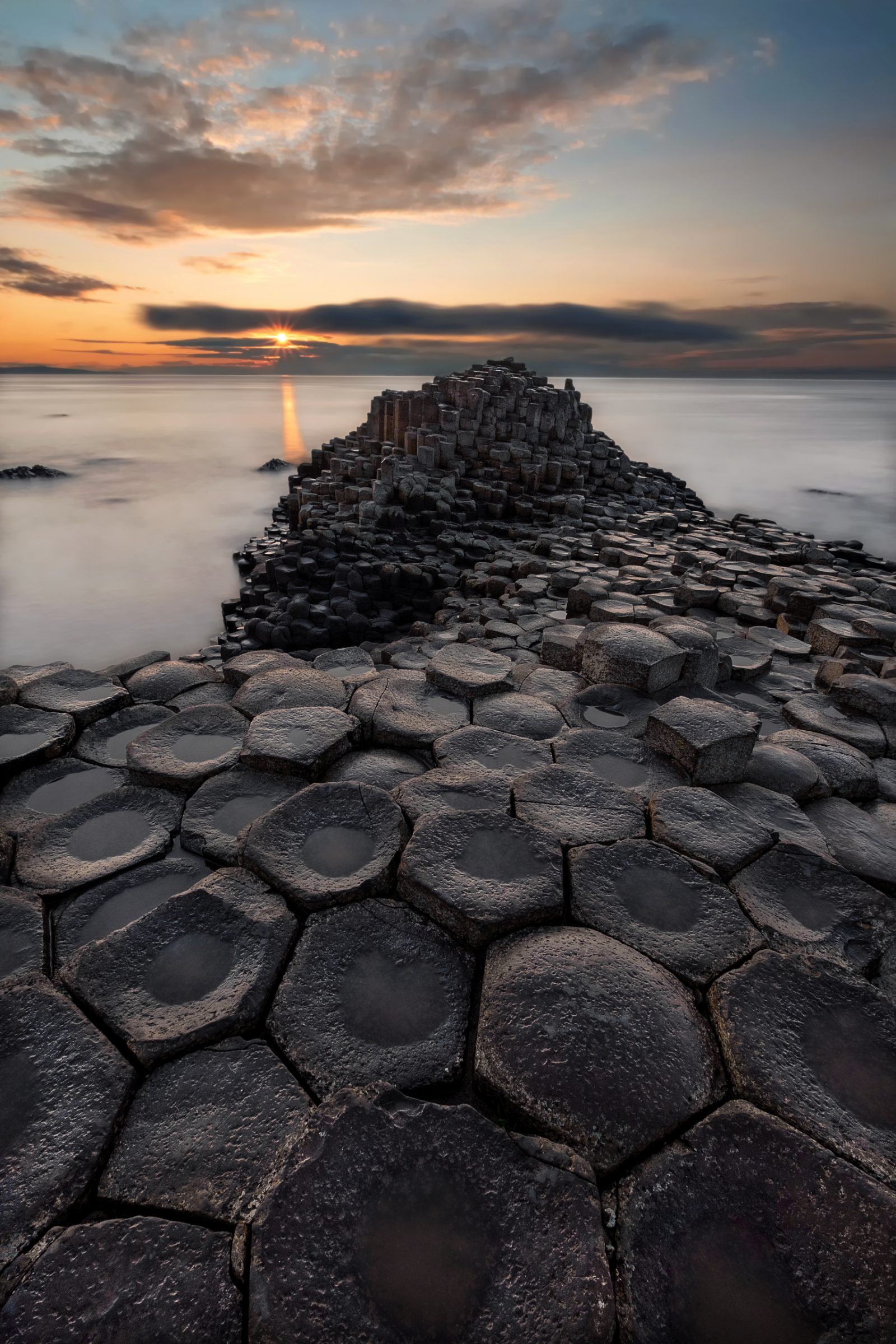
The largest of the three stone pathways, composed of thousands of tightly packed basalt columns. Most of these structures are hexagonal, though some have up to eight sides, all forming a natural stone pavement that disappears into the sea.
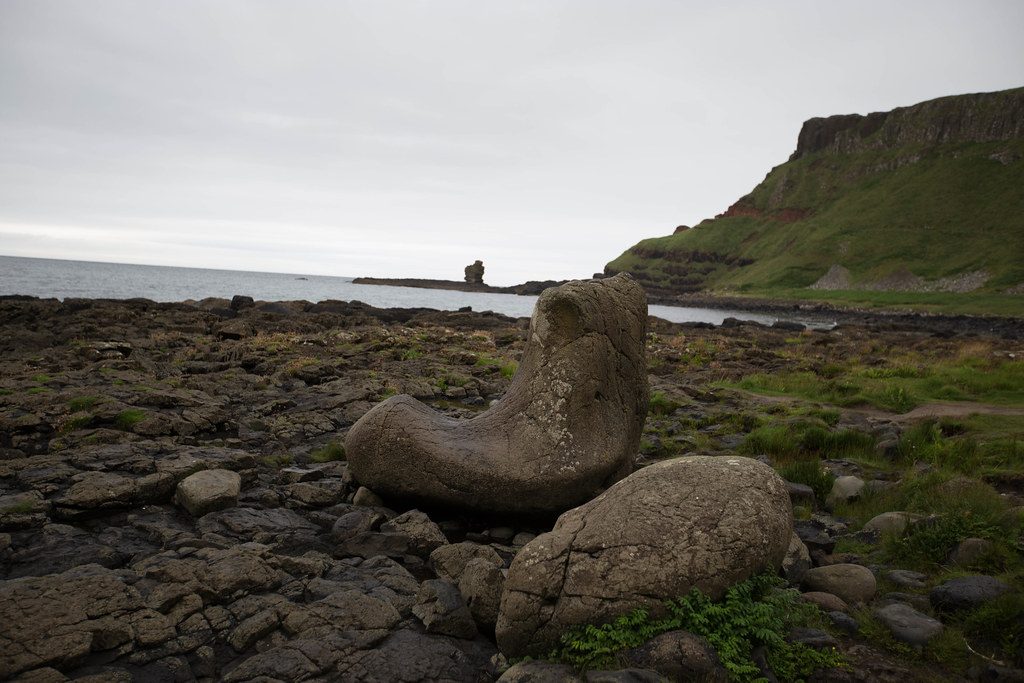
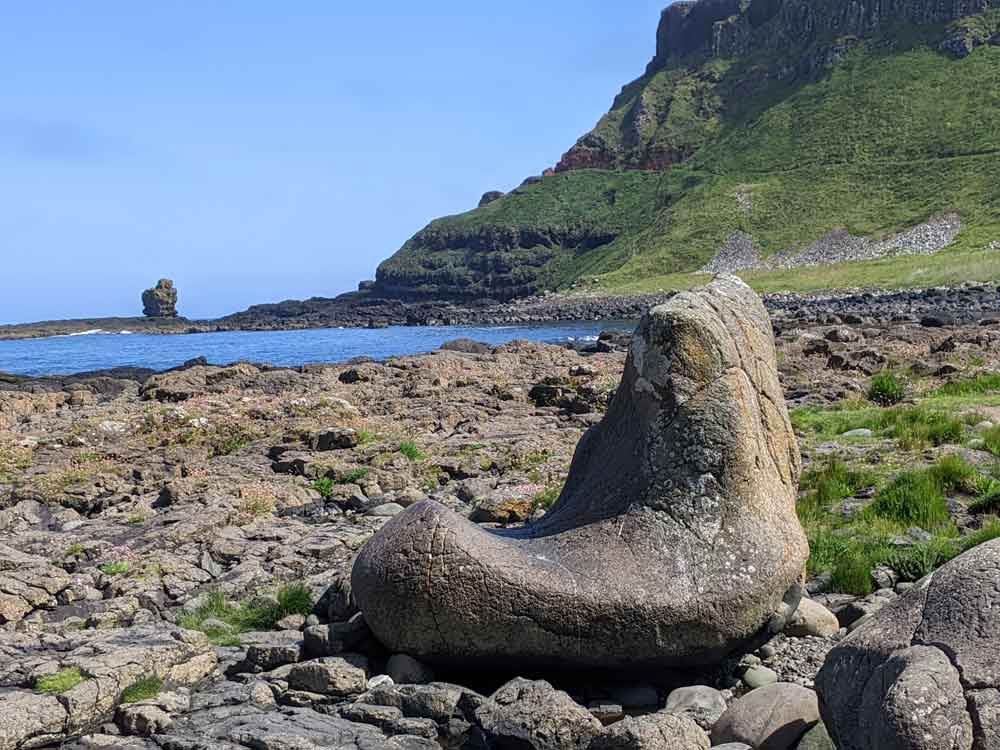
A large rock structure resembling an enormous boot, located in the bay of Port Noffer. According to legend, it was lost by the mythical giant Finn McCool as he fled from his rival, and is said to represent a size 93.5 shoe.
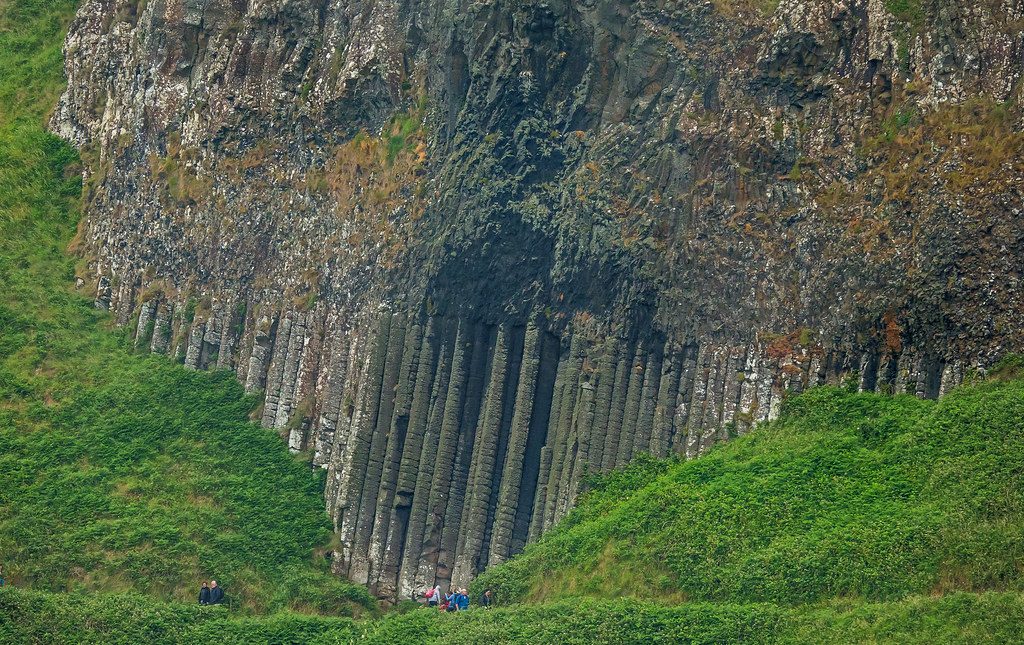
A dramatic rock formation located along the cliff face, made of tall, straight basalt columns that reach heights of 12 metres. The columns are arranged in columns resembling the pipes of a massive cathedral organ.
A natural throne formed by a perfectly arranged cluster of smooth, weathered basalt columns. Over the centuries, millions of visitors have sat here to make wishes, polishing the stones to a smooth, shiny finish.
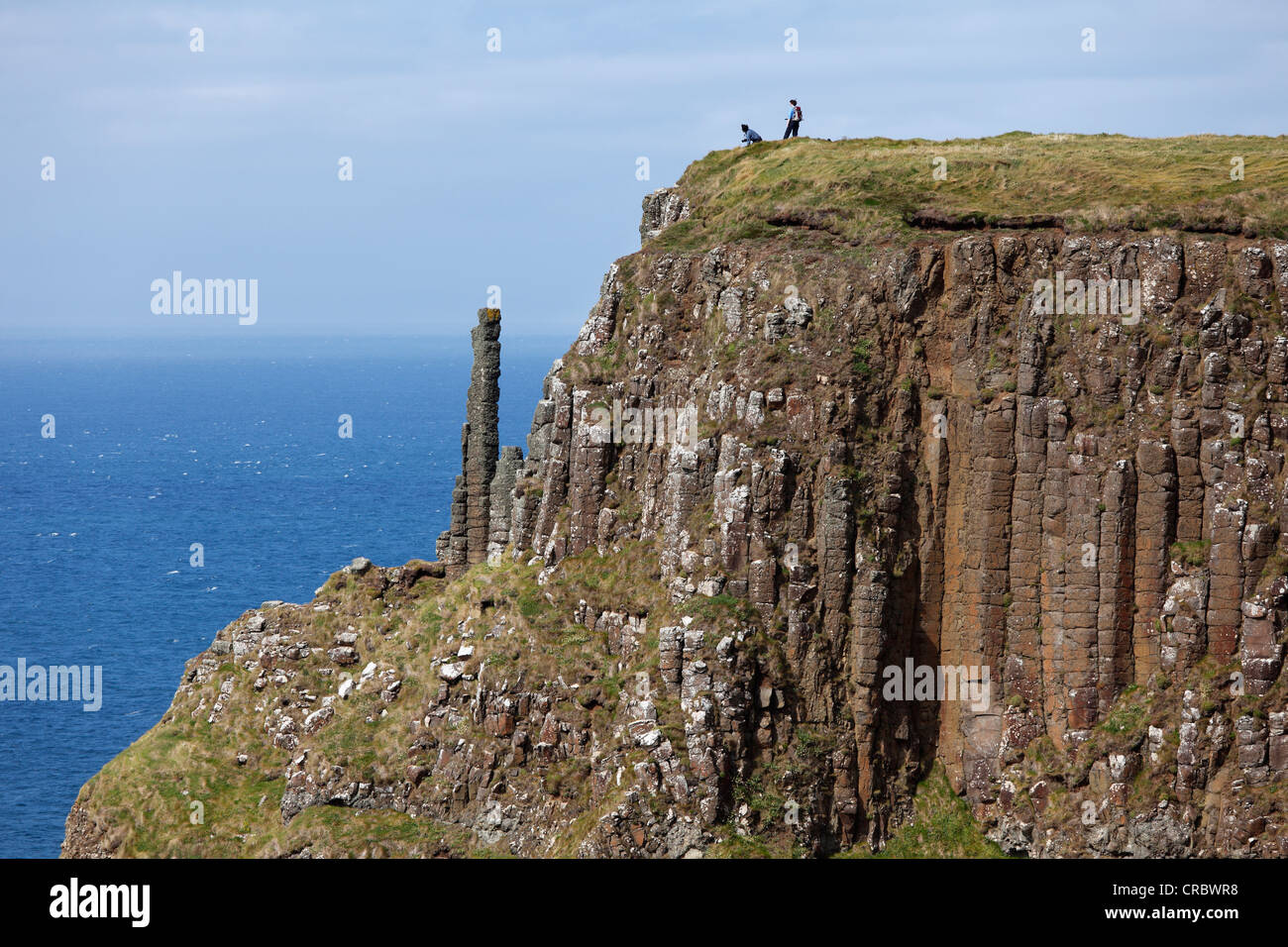
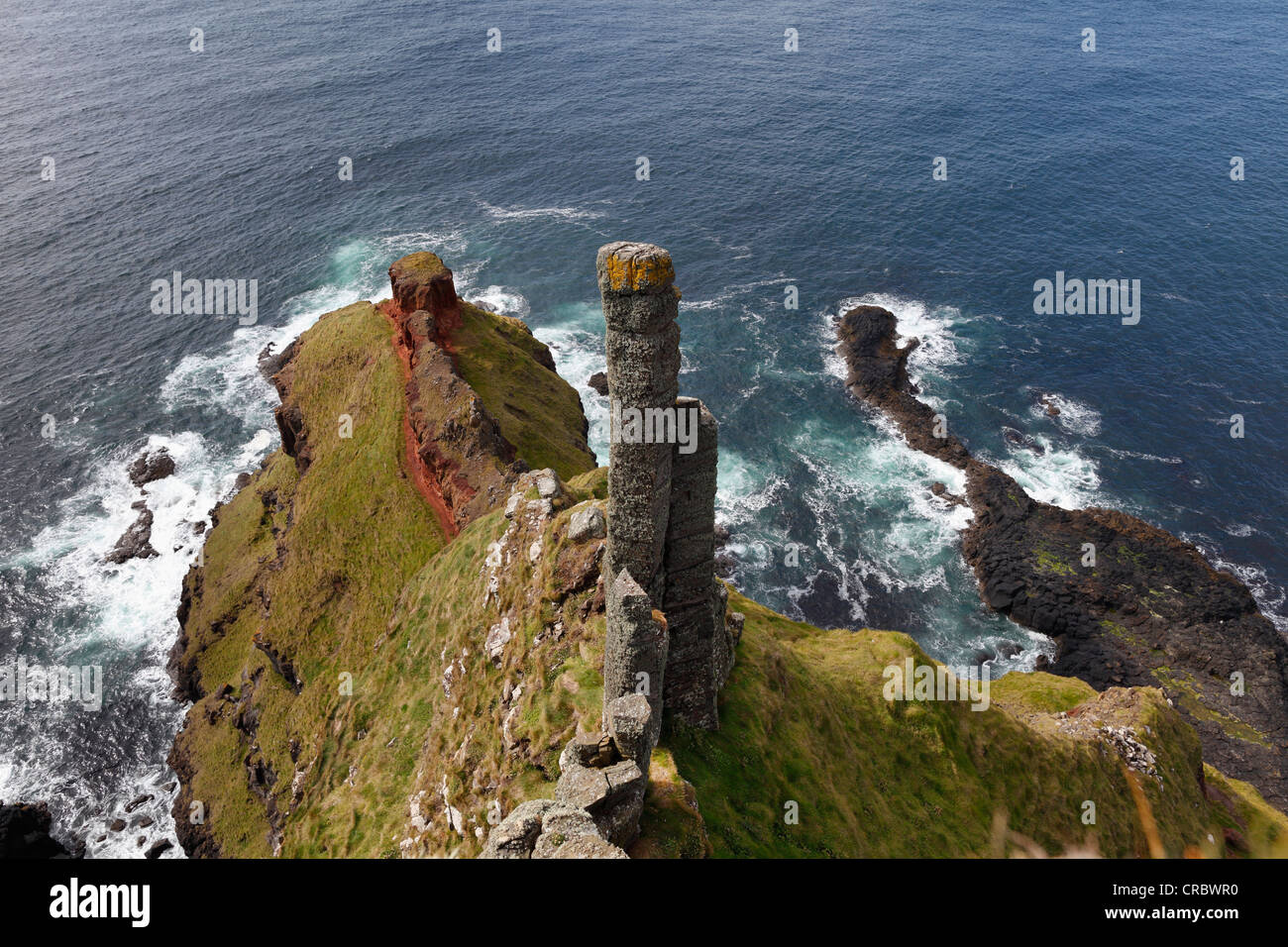
Tall, free-standing basalt columns that rise dramatically from the clifftops. These isolated structures were left standing after the surrounding headland eroded away, creating a distinct skyline profile.
Your day begins in the dark half of the morning, at a Dublin city-centre pickup around 06:45, coffee in hand, aboard a coach that will cover some 260 kilometres before lunch. You cross the border unannounced — no checkpoint, only road signs switching from kilometres to miles.
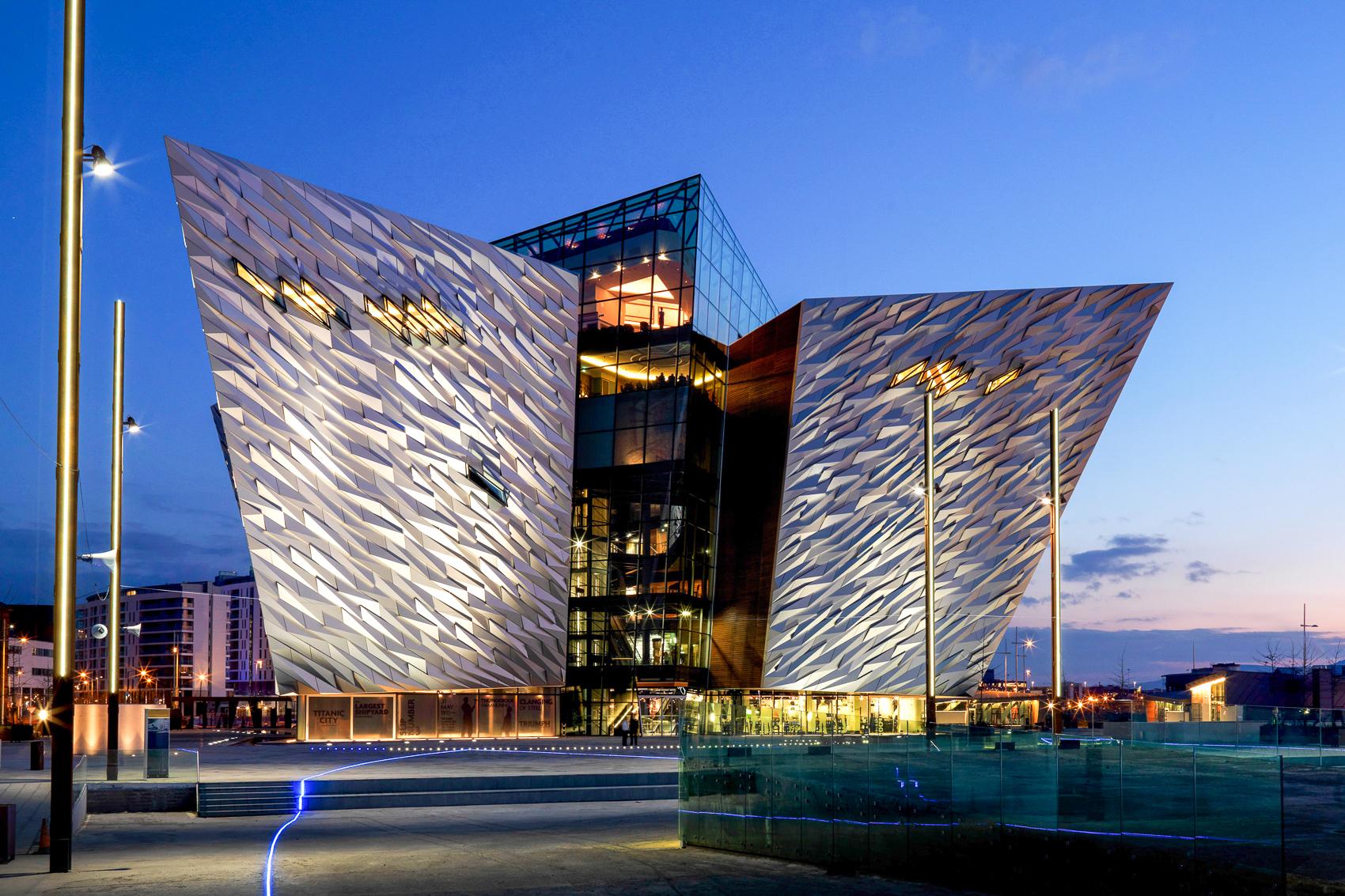
Belfast arrives first on most Dublin to Giant's Causeway day trip tours; you either step off at the Titanic Quarter or stay aboard and press north through the city.
Then the coast opens. You watch Rathlin Island sit low on the water, pass the shell of Dunluce Castle on its stack, and pull in at 44 Causeway Road, where the visitor centre's angled basalt walls rise straight out of the slope. You collect an audio guide and choose your descent: the shuttle down Causeway Road, or the fifteen-minute walk to the shore.
At the bottom you step onto the Grand Causeway itself. The columns are damp, uneven, and taller than photographs suggest — you climb three or four before the scale registers. You find the Wishing Chair, worn smooth. You count out the 162 Shepherd's Steps if the clifftop path tempts you upward, or you stay low and follow the tideline instead. Then you turn back toward the car park with salt drying on your jacket, and take your seat for the long drive south.
All the details about your upcoming adventure in one place
Roughly 40,000 interlocking basalt columns crowd the shore below Bushmills, and most of them are hexagons. They formed around 60 million years ago, when Palaeogene lava cooled and contracted into near-perfect vertical fractures. Folklore credited the giant Finn McCool.
Science caught up in 1693, and UNESCO inscribed the headland as Northern Ireland's first World Heritage Site in 1986. The formation divides into three sections — the Grand, Middle and Little Causeway — with columns reaching about twelve metres at their tallest.
Geography explains why the Dublin to Giant's Causeway day trip became a fixed category in Irish travel. The columns stand at 44 Causeway Road, Bushmills, County Antrim, some 260 kilometres north of the Irish capital, across an international border and beyond any direct rail line. Coaches close that gap inside a single day. The route runs north through Drogheda and Newry into Belfast, then turns east onto the Antrim Coast Road, a nineteenth-century engineering scheme cut into the cliffs by William Bald and still the most direct approach to the north Antrim shore.
That corridor is what distinguishes one operator's itinerary from another. Some Giant's Causeway tours from Dublin pair the stones with Titanic Belfast in the regenerated Titanic Quarter. Others weave in Dunluce Castle, the ruined MacDonnell stronghold perched on a sea stack above the Atlantic, or the Dark Hedges, the beech avenue planted by the Stuart family in the eighteenth century. Private options trade a fixed coach schedule for a driver-guide and a flexible order of stops. A single Dublin to Giant's Causeway day trip tour therefore reads very differently depending on which anchors an operator selects.
At the site itself, the National Trust operates a visitor centre of angled basalt and glass, opened in 2012 and set low into the grass so it reads as landform rather than building. Its Visitor Experience ticket costs 16 GBP and covers parking, audio guide and exhibition; pedestrian access to the stones themselves remains free. The grounds open 09:00–18:00. The Shepherd's Steps, 162 of them, climb from the lower path to the clifftop trail above the Grand Causeway and the Organ. Most Dublin to Giant's Causeway day trip tickets allow well over an hour on the ground, enough to reach the Wishing Chair, the Camel and the Giant's Boot. The stones are constant; the sequence around them is the variable.

The stones are constant; the sequence around them is the variable.

When packing for a Dublin to Giant's Causeway day trip, dressing in layers with a windproof jacket is highly recommended. You must wear sturdy shoes with good traction to navigate the slippery, uneven basalt columns safely.
For your Dublin to Giant's Causeway day trip, only bring small daypacks onto the coach as cabin space is limited. The Visitor Centre does not provide locker facilities, so you must carry all belongings with you.
Personal photography is fully permitted during your Dublin to Giant's Causeway day trip. Drone operation is strictly prohibited without prior written licensing, and tripods must be handled carefully on the slippery stones.
Families booking a Dublin to Giant's Causeway day trip should note that pushchairs are limited to the paved pathways. Children must be closely supervised around the water and the slippery stones.
For travelers on a Giant's Causeway from Dublin day trip, the main coastal path is wheelchair accessible, and a mobility-friendly shuttle bus is available. The steep Shepherd's Steps trail includes 162 steps and is not suitable for visitors with mobility impairments.
Meals are not included in most package bookings, but the café at the site sells light bites. Carrying your own snacks and water on a Dublin to Giant's Causeway day trip is recommended for the long journey.
Last entry 17:00
Last entry 17:00
Last entry 17:00
Last entry 17:00
Last entry 17:00
Last entry 17:00
Last entry 17:00
Address
44 Causeway Road, Bushmills, County Antrim, BT57 8SU, United Kingdom
Best Arrival Window
09:00–11:00 to avoid coach crowds
Entrance Fee
16 GBP for Visitor Experience; stones are free to walk
Step Count
162 steps via Shepherd's Steps
Contact Phone
+442820731855
Public transport · 4.5 hours · €40 - €60
Take the Enterprise train from Dublin Connolly to Belfast Lanyon Place, transfer to a regional train to Coleraine, then catch the Translink 402 bus directly to the visitor centre.
Car · 3 hours · €30 - €50 fuel + tolls
Drive north from Dublin via the M1 and A1 motorways past Belfast, then follow the A26 to Bushmills and turn onto Causeway Road. Parking is included with the 16 GBP Visitor Experience ticket.
Coach tour · 3.5 hours · €65 - €85
Embark on a Giant's Causeway from Dublin coach journey.
Most operators of the Dublin to Giant's Causeway day trip allow free cancellation up to 24 hours before departure. Direct tickets for the 16 GBP Visitor Experience are subject to the National Trust booking amendment policy.
Recommended time
Full day
Embarking on a dublin to giant's causeway day trip requires a full commitment of twelve to thirteen hours, which includes transit across the island and stops along the Antrim coast. Coach packages usually leave the Irish capital early in the morning, ensuring that travelers reach the basalt columns by the afternoon. Selecting a structured dublin to giant's causeway day trip tour provides roughly two hours to explore the site, which is enough time to walk down the path and climb the columns. This duration also allows for brief exploration of nearby ruins or coastal features before embarking on the long return drive. Purchasing dublin to giant's causeway day trip tickets ahead of time secures your visitor experience entry, which is helpful during the busy summer months. Many tours also include a short visit to Belfast or the Dark Hedges to break up the driving times. Alternatively, reserving private dublin to giant's causeway day trip tours grants the flexibility to arrive early and beat the large midday crowds.
Crowd levels through the day
Weather · crowds · average price — dots go green to amber to red as each metric rises.
Mild temperatures ranging from 8°C to 12°C with lower rainfall than winter. Crowds are moderate, making it easier to walk the paths before the summer peak.
The warmest season with temperatures averaging 15°C to 19°C and longer daylight hours. Peak visitor numbers occur in July and August, particularly between 11:00 and 15:00.
Temperatures cool down to between 9°C and 14°C, and the coastal landscape turns golden. Late afternoon light is ideal for photography, though rain increases in November.
Cool and windy with average temperatures of 4°C to 7°C and short daylight hours. The site is quietest during these months, but storms can sometimes limit coastal access.
Although the Republic of Ireland uses the Euro, Northern Ireland is part of the United Kingdom and uses Pound Sterling. While card payments are widely accepted, carrying some GBP cash is helpful for small purchases or tips.
The Antrim coast is highly exposed to Atlantic weather. Pack a windproof waterproof jacket and wear layers to stay comfortable as conditions can change rapidly.
Walking on the basalt columns requires stable footing. The stones can become extremely slippery when wet or covered in seaweed, so avoid smooth-soled shoes.
A standard Dublin to Giant's Causeway day trip typically spans between 12 and 13 hours. Ensure you get plenty of rest the night before and plan a light schedule for the following day.
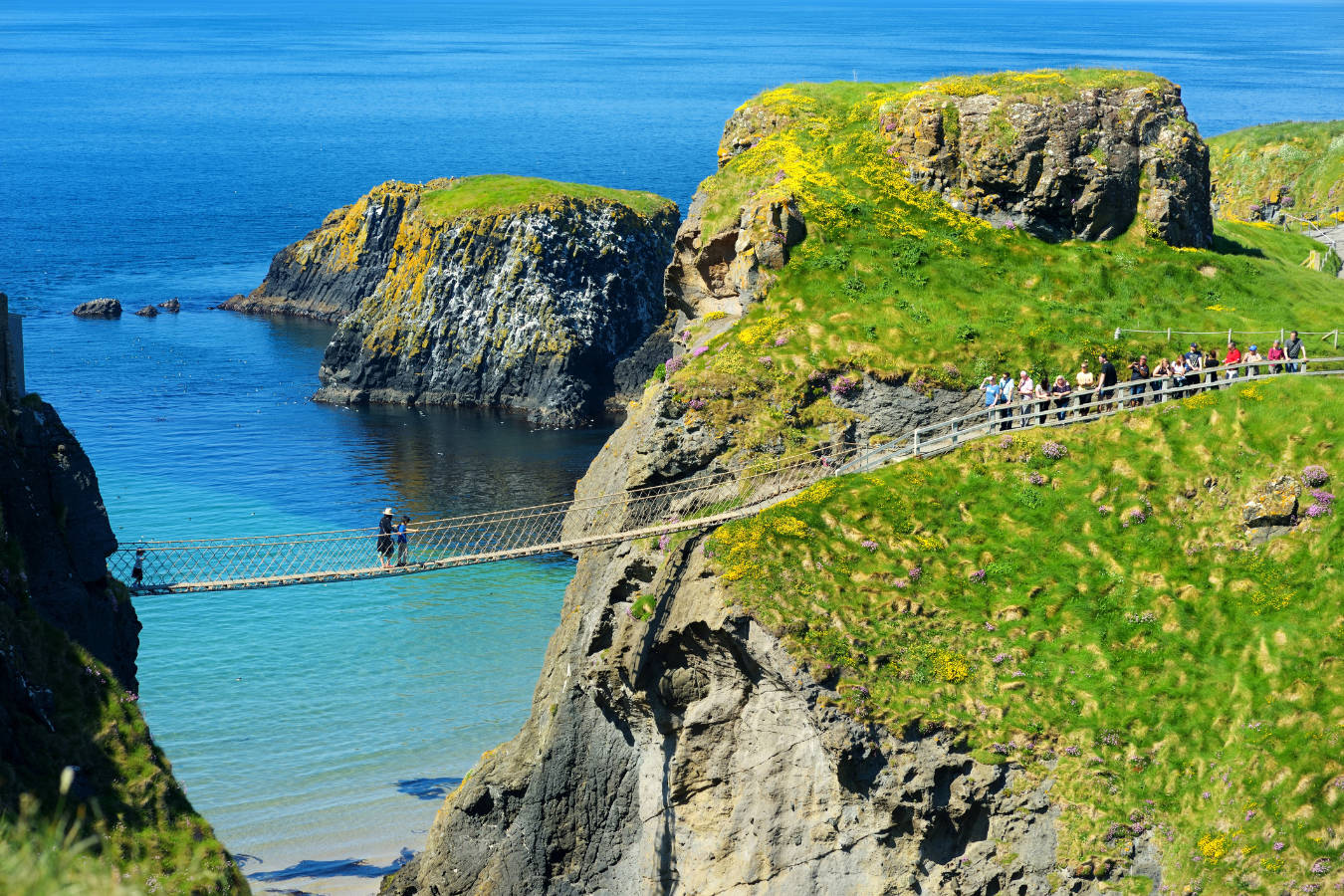
If your day tour package includes the Carrick-a-Rede Rope Bridge, check the weather forecast. The bridge closes to visitors when wind speeds exceed 70 km/h.
Pedestrian access to the Giant's Causeway stones is free. The 16 GBP Visitor Experience ticket is only required if you wish to use the official car park, visit the exhibition, or grab an audio guide.
Suffolk Street, Dublin 2, Ireland
Popular departure point for Irish Day Tours and Wild Rover Tours, located near Trinity College.
Get directions
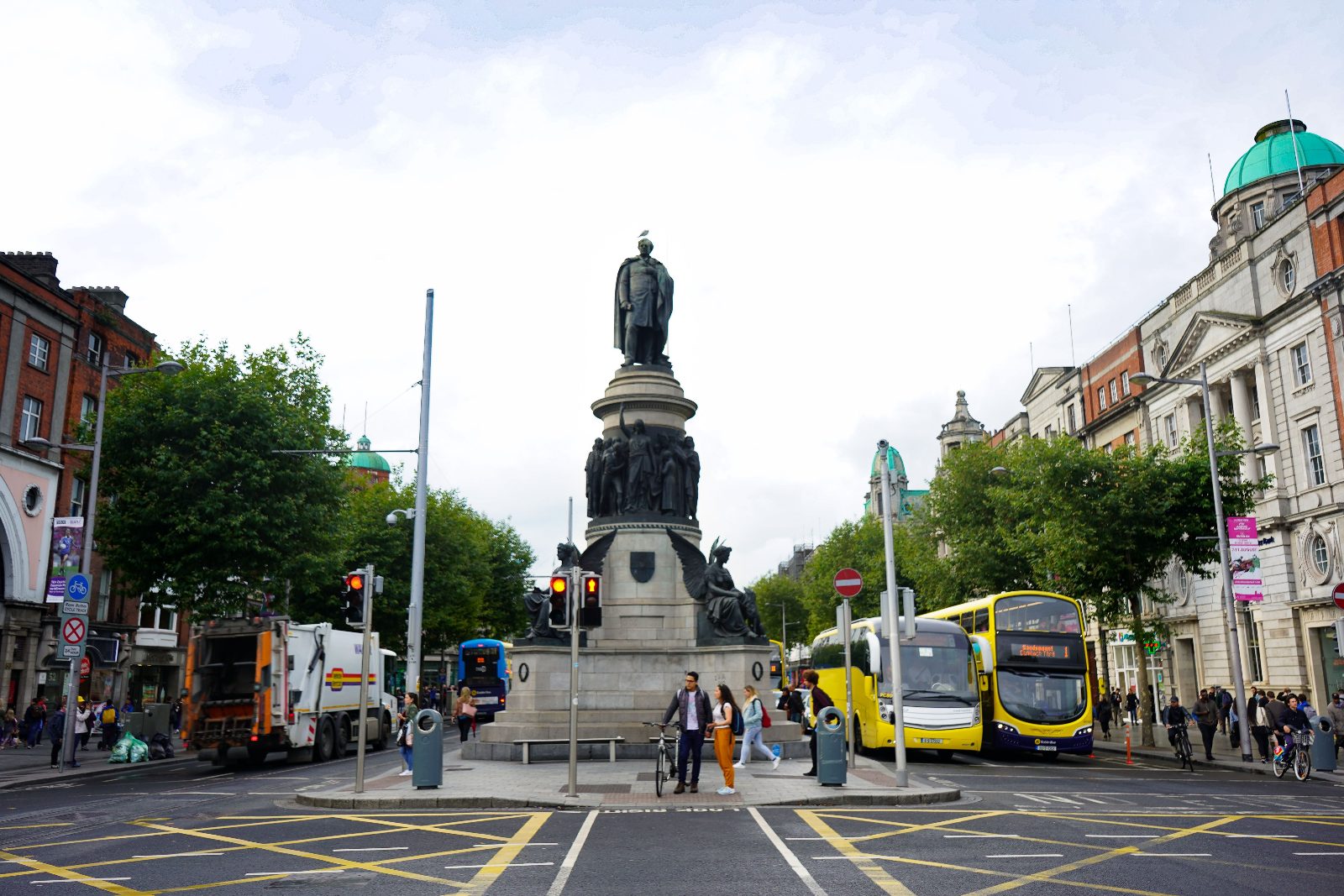
34 Lower O'Connell Street, Dublin 1, Ireland
Primary departure hub for Paddywagon day excursions near the Spire.
Get directionsThe stones predate every human story told about them. Around 60 million years ago, during the Palaeocene, the North Atlantic began to tear open. Molten basalt rose through fissures in the chalk bed of what is now County Antrim. The lava pooled, then cooled slowly. As it contracted, it fractured into vertical joints, producing roughly 40,000 interlocking columns, most of them hexagonal. Three successive lava flows built the Lower, Middle and Upper Basalts, separated by a red weathered layer visible in the cliff face today. Geologists count columns up to twelve metres tall. The older explanation is better company. Finn MacCool, the Irish giant of the Fianna cycle, built a road across the sea to confront the Scottish giant Benandonner. Finding his rival vastly larger, Finn fled home, and his wife Oonagh disguised him as an infant. Benandonner, judging the father of such a child, retreated and tore up the causeway behind him. The matching columns at Fingal's Cave on Staffa, in the Hebrides, gave the tale its evidence. Anyone booking a dublin to giant's causeway day trip is following that vanished road north. The site entered European record in 1693, when Sir Richard Bulkeley described it to the Royal Society. Susanna Drury's 1739 gouache paintings carried the image abroad and won the Dublin Society premium. In 1740 debate erupted between Neptunists, who held the columns precipitated from seawater, and Plutonists, who argued for volcanic origin; the Plutonists were right. An electric tramway from Portrush opened in 1883, the first hydroelectric line of its kind, and the National Trust took ownership in 1961. UNESCO inscribed the World Heritage Site in 1986. Modern dublin to giant's causeway day trip tours reach the Antrim coast in a single morning, and most Giant's Causeway tour operators pair the basalt with Dunluce Castle. Access to the lower bay involves 162 steps.
Successive Palaeocene lava flows cool and fracture into roughly 40,000 basalt columns.
Sir Richard Bulkeley presents the first scientific account of the columns to the Royal Society in London.
Susanna Drury's gouache views of the Causeway circulate across Europe and win the Dublin Society premium.
Neptunist and Plutonist scholars dispute whether the basalt formed in water or in fire.
The Giant's Causeway Tramway opens from Portrush, drawing Victorian excursionists to the Antrim coast.
The National Trust assumes ownership and management of the headland and its approaches.
UNESCO inscribes the Giant's Causeway and Causeway Coast as a World Heritage Site.
A new visitor centre opens above the bay, formalising interpretation for the growing traffic in dublin to giant's causeway day trip tickets.
This is the main cluster of hexagonal basalt columns. If you book a dublin to giant's causeway day trip, you can capture the classic honeycomb patterns framing the ocean. It is best photographed from a low angle to emphasize the geometric formations along the Antrim coastline.
A natural throne of smooth basalt columns situated along the edge of the Middle Causeway. Travelers booking their dublin to giant's causeway day trip tickets can sit and capture portraits here. The polished dark stones offer a unique texture contrast against the crashing waves.
A large boot-shaped rock formation located in Port Noffer. It is easily reached via the coastal path, making it a great stop to photograph from a low perspective. Use a wide-angle lens to capture the scale of this geologic anomaly against the surrounding cliffs.
Distinct basalt pillars rising high above the headlands on the Antrim Plateau. Travelers on a dublin to giant's causeway day trip tour can capture this dramatic telephoto shot of the pillars framing the coastline.
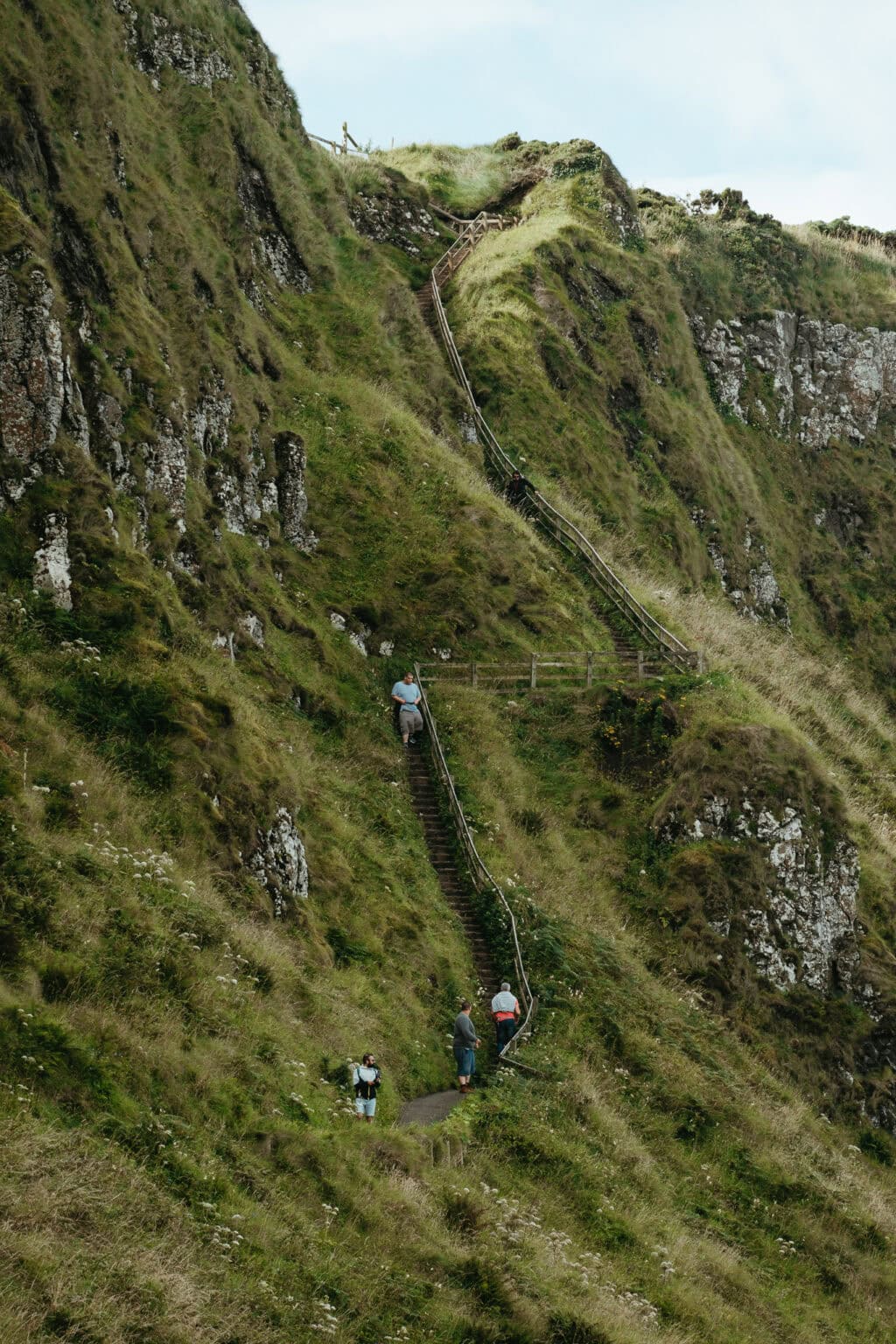
This elevated vantage point on the Red Trail offers a grand overview of the bay. Compare day trip packages and itineraries from Dublin to choose dublin to giant's causeway day trip tours that allow enough time to climb these 162 steps.
Embarking on a dublin to giant's causeway day trip is a long but rewarding journey for families who prepare for the multi-hour drive. Managing the pace and matching it to your kids' energy levels makes all the difference when visiting the famous coastal formations.
A sturdy stroller works well around the visitor centre and the paved coastal path. However, the stones themselves are not stroller-accessible, and the steep slope back to the entrance is tiring. Bringing a baby carrier is highly recommended for toddlers.
If you buy dublin to giant's causeway day trip tickets, note that the shuttle bus down to the stones requires a small additional fee. This service is mobility-friendly and saves tired children from the steep return walk.
The basalt columns are uneven, slippery when wet, and exposed to high winds. Keep kids close and hold their hands near the water, as there are no safety barriers on the rocks.
Most group dublin to giant's causeway day trip tours take about 12 to 13 hours, which is demanding for young kids. Check if your package includes breaks in Belfast to break up the driving.
If you prefer more flexibility than a coach dublin to giant's causeway day trip tour, consider a private family vehicle. This lets you set your own schedule and stop for nap breaks when needed.
When booking a dublin to giant's causeway day trip, organizing lunch around your itinerary is key. Most day trip packages from Dublin allow limited time on-site, making quick grab-and-go options or nearby bistro meals the most practical choice.
Located inside the main visitor centre, this spot serves quick meals like sausage rolls, pastries, and vegan wraps. It is ideal for travelers who bought dublin to giant's causeway day trip tickets and want to maximize time looking at the basalt columns.
This restaurant occupies a restored 1850s Victorian schoolhouse right by the site gates. It serves warm chowder, toasties, and local draft beers by an open peat fire. It is a convenient lunch stop on a dublin to giant's causeway day trip tour.
This venue offers formal dining, afternoon tea, and local seafood with views of the Antrim coast. It is a popular dining stop for group itineraries and independent travelers on dublin to giant's causeway day trip tours seeking a full sit-down lunch.
Everything you need to know for your journey
The Giant's Causeway coastline is open from dawn to dusk, while the official Visitor Centre is open from 09:00 to 18:00 daily.
Walking down to the stones at the Giant's Causeway is free. However, accessing the Visitor Centre exhibition and using the official car park requires a Visitor Experience ticket priced at 16 GBP.
The Shepherd's Steps trail features 162 steps that lead back up the cliff from the coast. A paved, step-free road is also available for easier access.
You should wear windproof layers and waterproof outerwear due to the coastal climate. Sturdy, slip-resistant shoes are highly recommended for walking on the wet basalt columns.
Large luggage is typically stored in the coach cargo hold during the journey. The Giant's Causeway Visitor Centre does not provide storage lockers, so only small daypacks should be carried.
The Giant's Causeway Visitor Centre and the main path to the columns are wheelchair accessible, and a mobility-friendly shuttle bus is available. The steep Shepherd's Steps are not suitable for wheelchair users.
Dogs on leads are welcome at the Giant's Causeway stones, but many coach operators do not allow animals on board. Always verify with your transport provider before booking.
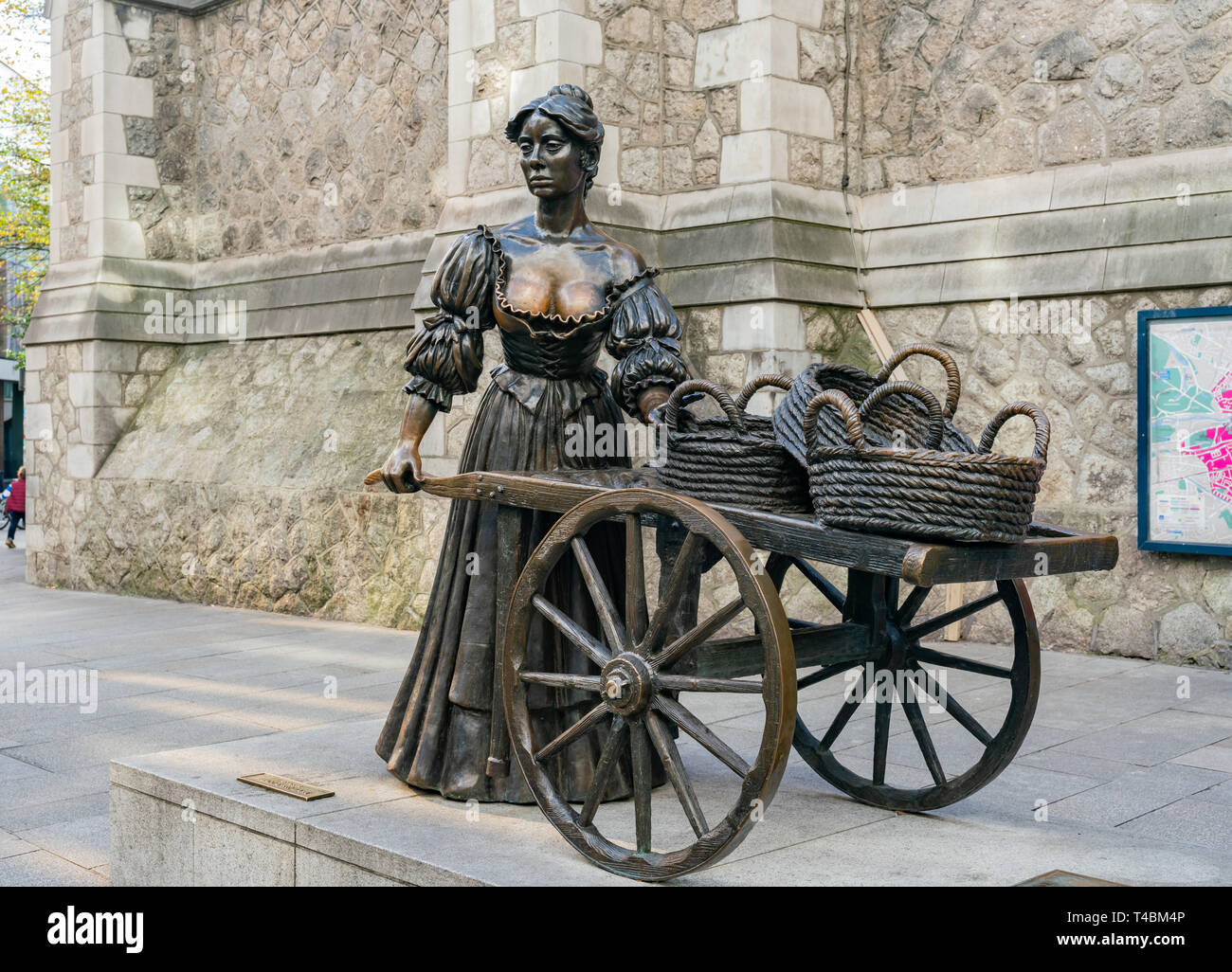
Most day tours depart from central hubs such as the Molly Malone Statue on Suffolk Street or the O'Connell Street office. Check your booking details for the exact departure address.
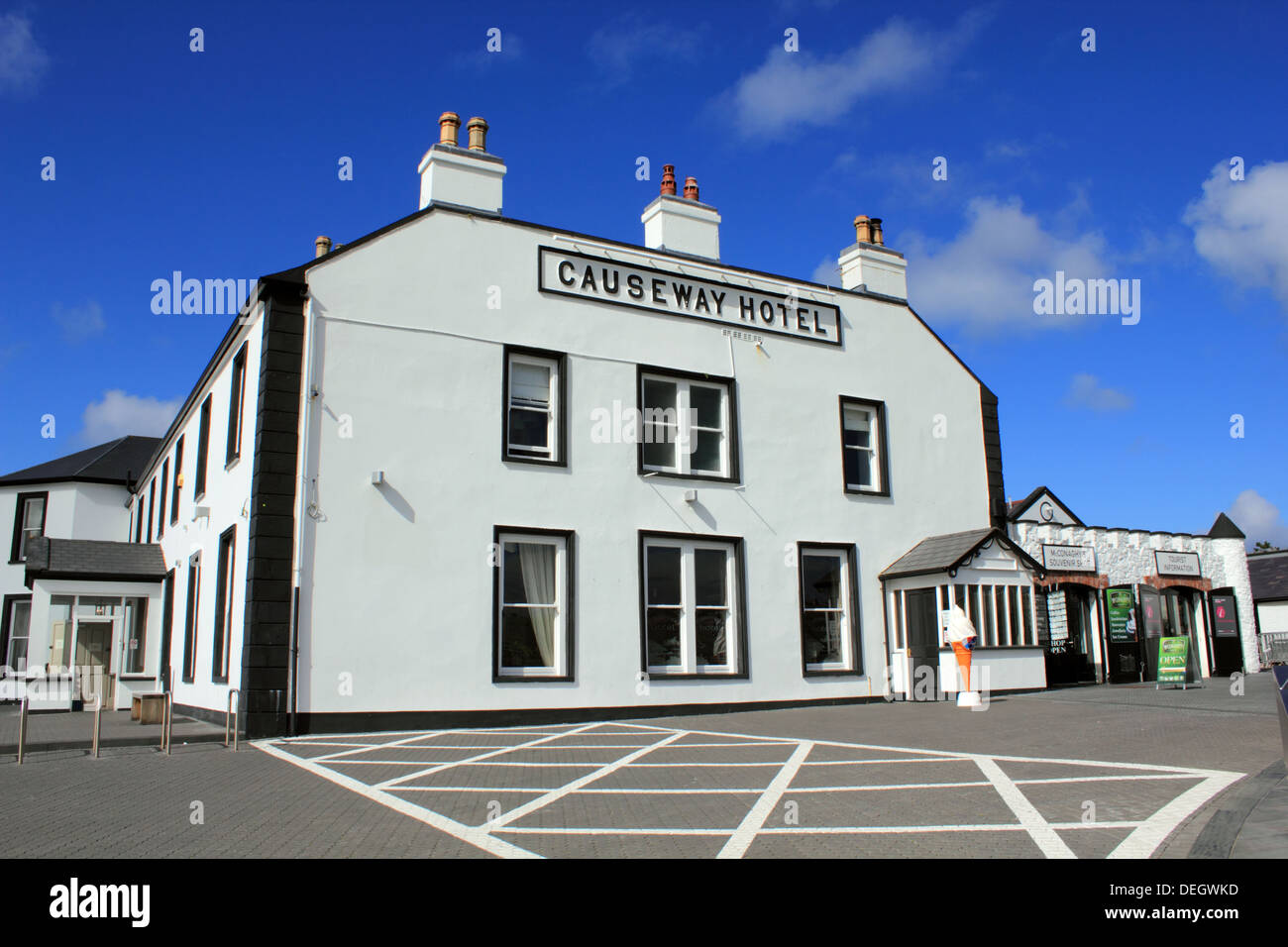
There is a café inside the Giant's Causeway Visitor Centre and a restaurant at the adjacent Causeway Hotel. Bringing your own snacks is recommended for the outdoor paths.
Cancellation terms depend on the operator, but most day trips offer a full refund if cancelled up to 24 hours before departure. Direct tickets for the National Trust Visitor Experience follow standard booking site policies.
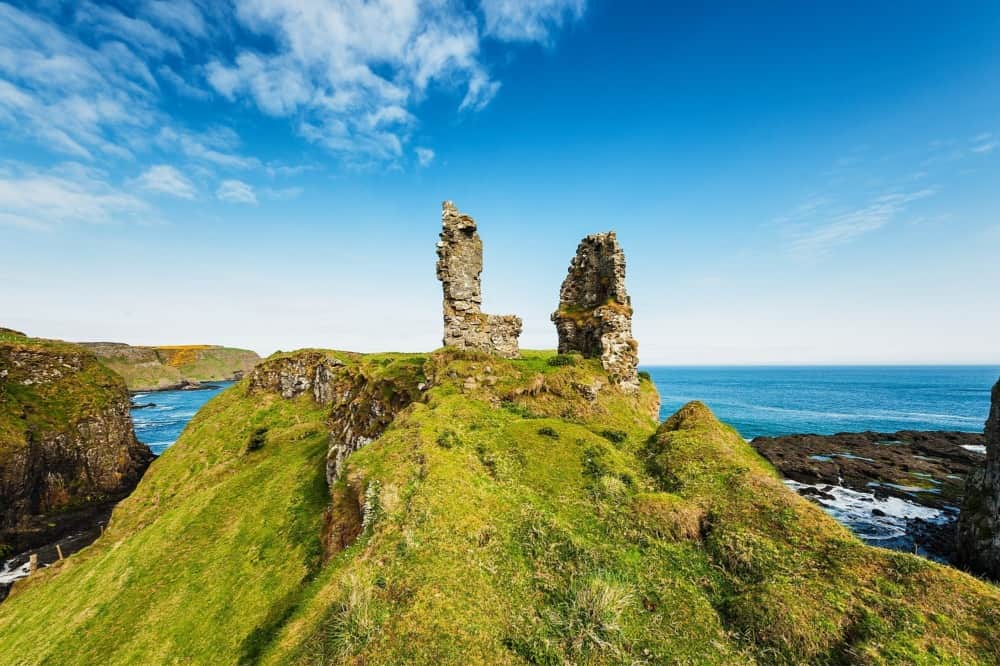
A medieval castle ruin perched dramatically on a basalt cliff edge along the North Antrim coast.
A historic rope bridge erected by salmon fishermen that suspended 30 metres above the Atlantic rocks.
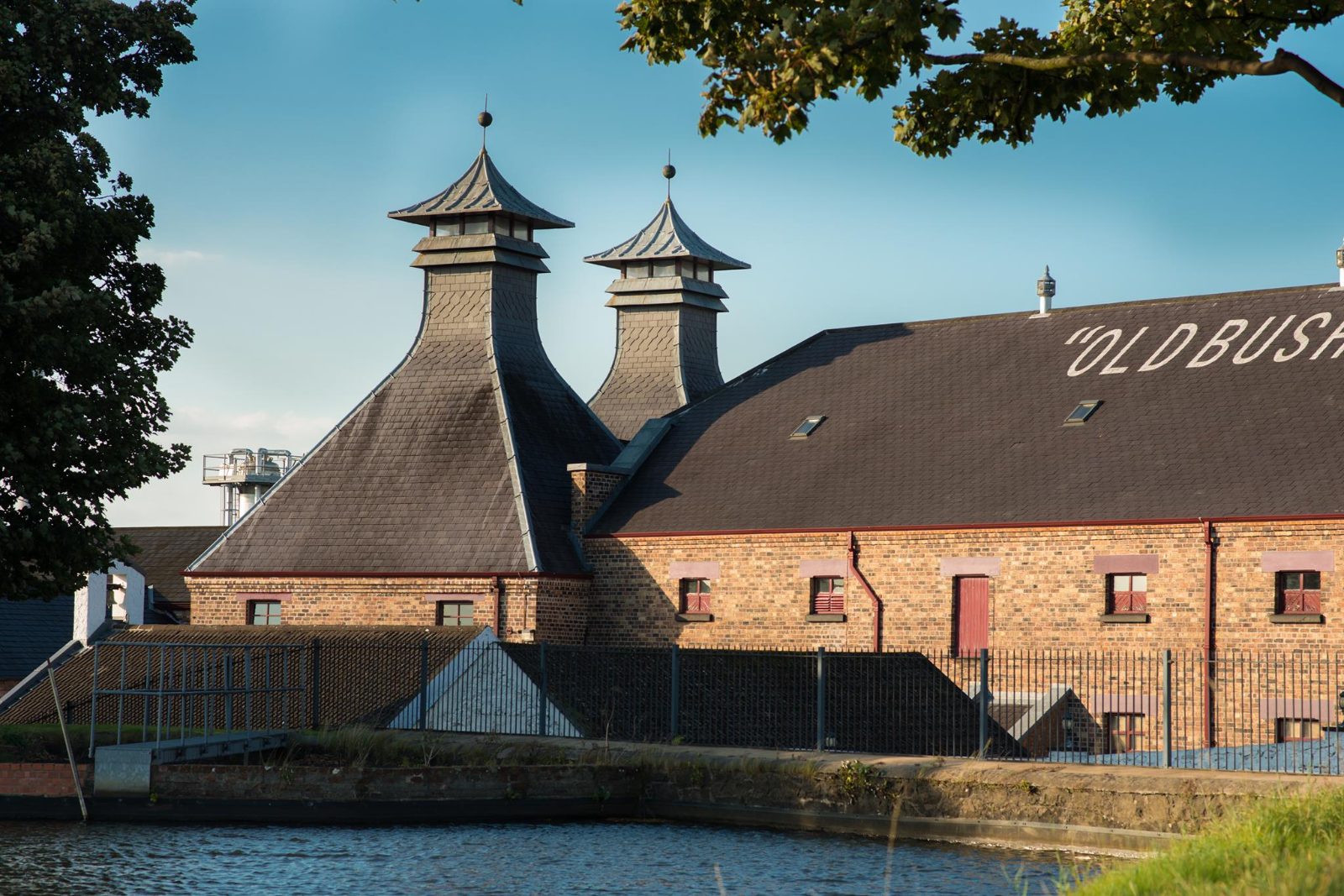
The oldest licensed whiskey distillery in the world, offering tours and tastings of triple-distilled Irish single malts.
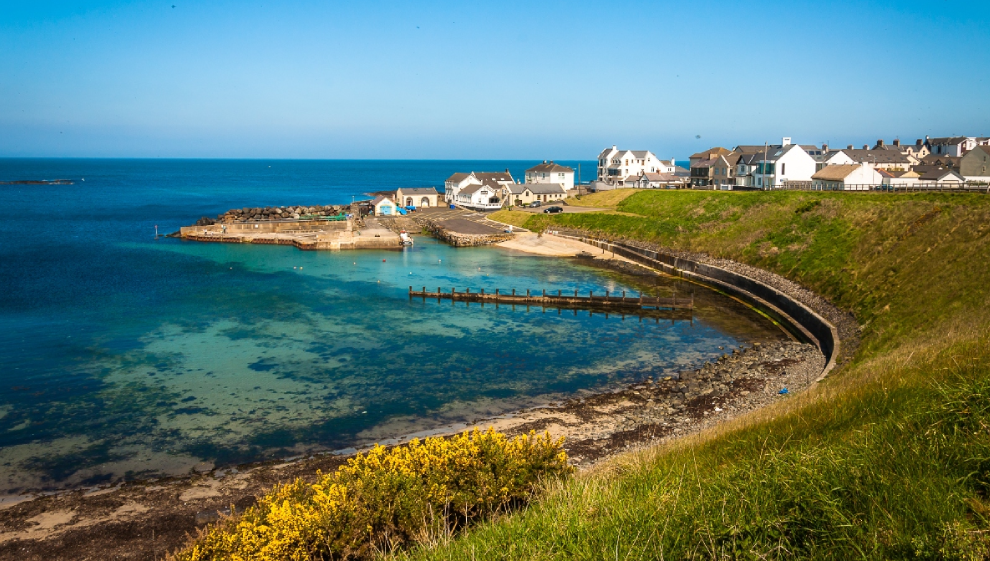
A horseshoe-shaped bay and seaside village that marks the western end of the local tramway route.
The historic clifftop ruins of a key ancient royal site, once visited by Saint Patrick in the 5th century.
A historic hotel situated adjacent to the visitor centre, offering classic rooms and a restaurant overlooking the Atlantic.
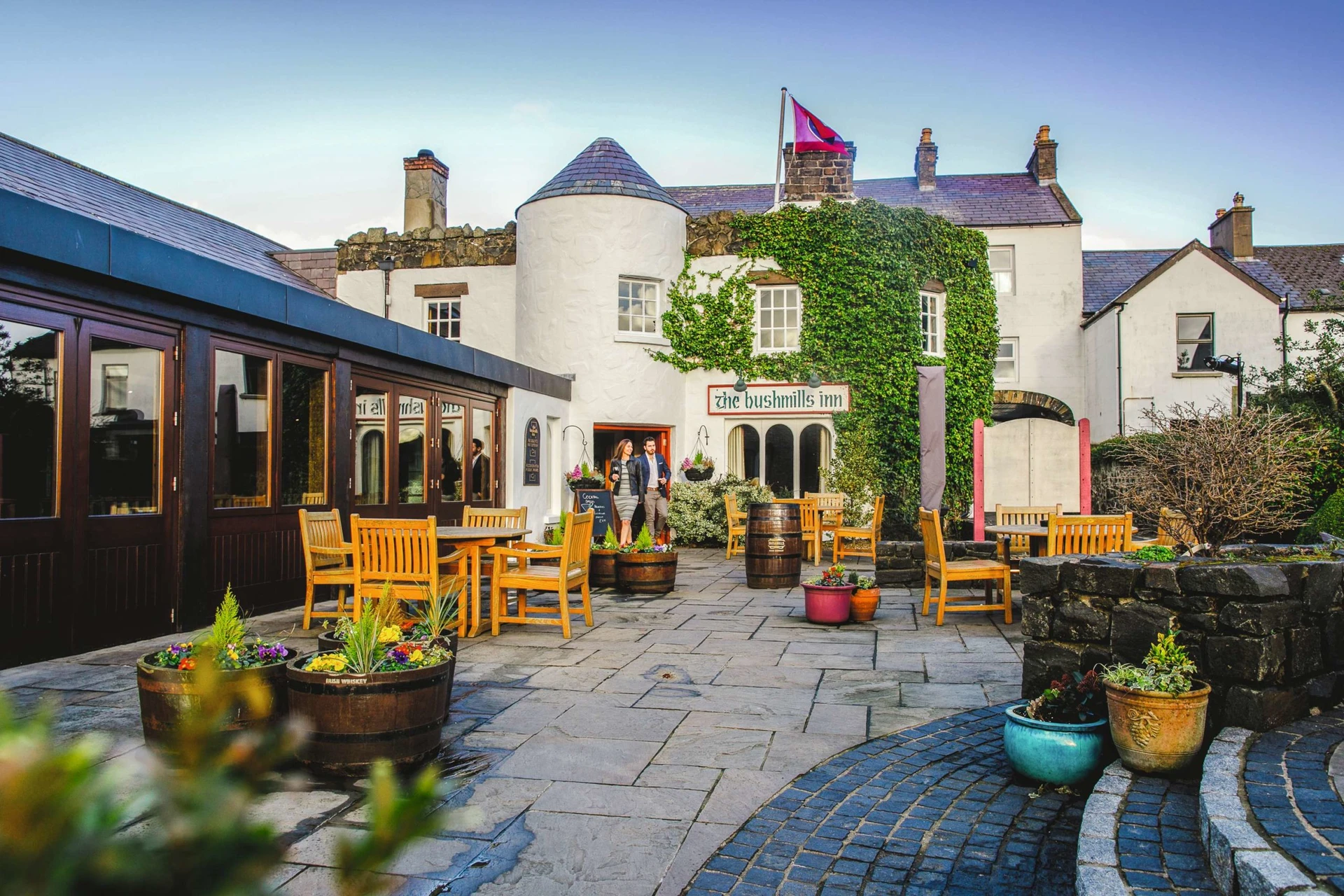
A restored 17th-century coaching inn featuring open peat fires, a private cinema, and award-winning dining.
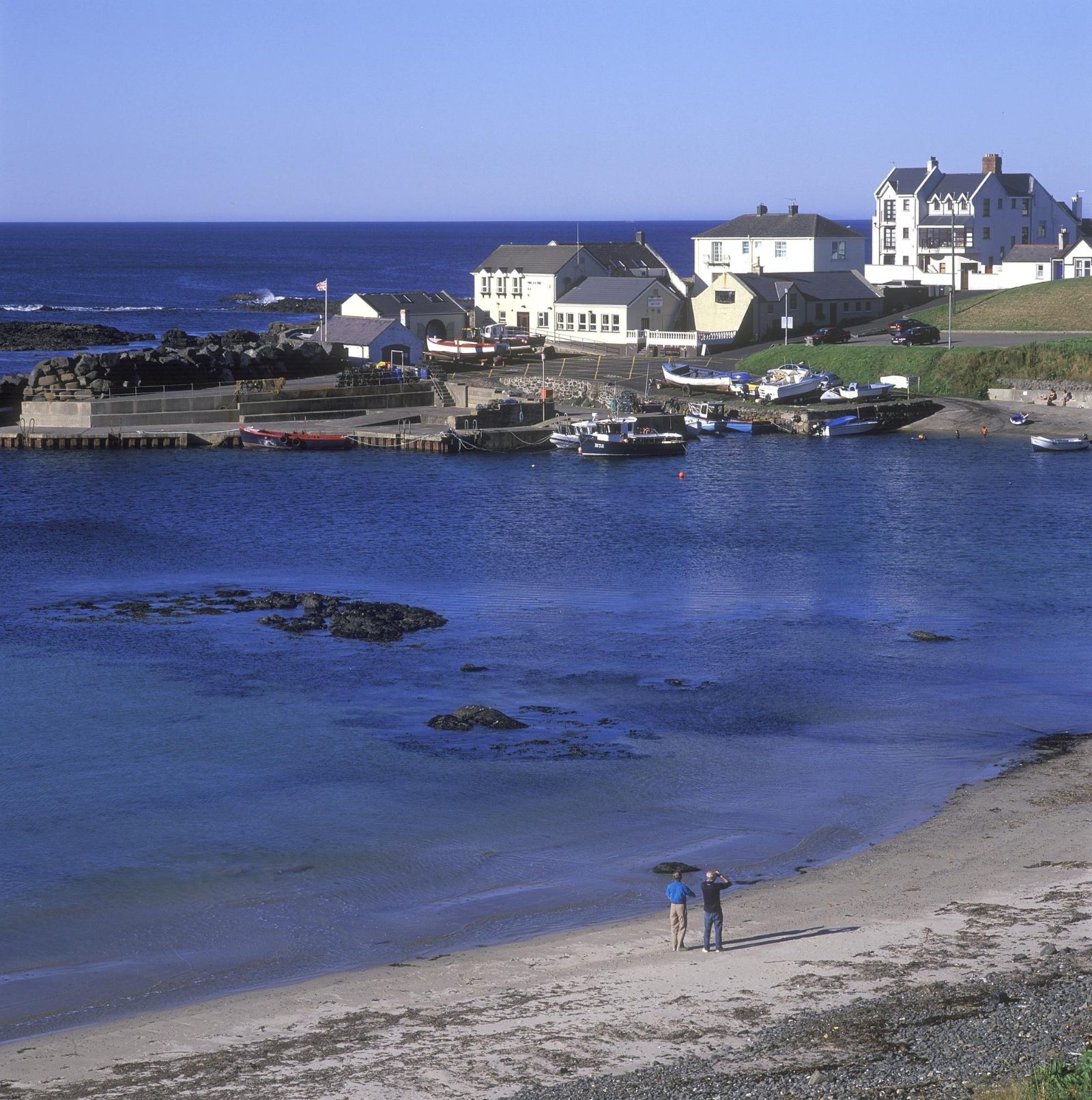
A coastal village with mid-range guest houses and self-catering cottages overlooking a sandy bay.
Join thousands of happy travelers who have discovered this incredible experience
Book Your Experience Now