12 hr
Giant's Causeway, Dark Hedges & Belfast Day Tour from Dublin
- Expert local guide
- Small group
- Skip-the-line access
- Free cancellation
Tour from Dublin to Belfast and Giant's Causeway — Multi-Stop Day Trips
Forty thousand basalt columns by noon, shipyard cranes by dusk.
Compare fares, pick the fit — all bookings are mobile-voucher and eligible for free cancellation where shown.
12 hr
12 hr
14 hr
When planning a tour from dublin to belfast and giant's causeway, selecting the correct admission type is key to viewing the famous basalt columns. National Trust facilities are easily accessible, making this landmark ideal for families. We advise booking your tour from dublin to belfast and giant's causeway tickets early to guarantee Visitor Centre exhibition access on your Belfast and Giant's Causeway tour.
|
Top pick Visitor Experience Standard admission and parking |
Clifftop Experience Guided 5-mile cliff hike | |
|---|---|---|
| Areas Included | Stones, coastal paths & visitor centre | 5-mile cliff path, stones & visitor centre |
| Adult Price | 16 GBP (parking included) | 55 GBP (shuttle & tour included) |
| Parking Included | ||
| Visitor Centre Access | ||
| Guided Walk Details | 30-minute introductory tour | 5-mile scenic coastal hike |
| Required Fitness | Low to moderate (162 steps) | High (strenuous cliff walk) |
| Best For | First-time visitors | Active outdoor enthusiasts |
| See tickets & prices |
Verdict: We recommend the Standard Visitor Experience for a classic tour from dublin to belfast and giant's causeway tour, while active hikers will prefer booking custom tour from dublin to belfast and giant's causeway tours.
Worth it if you have one day only
A tour from dublin to belfast and giant's causeway is a 12-14 hour marathon, and most of it is motorway. You leave early, spend roughly five hours seated on the M1 and the Antrim coast road, and get back after dark. What you buy is coverage: Belfast city centre, the Dark Hedges beech tunnel, a Dunluce Castle clifftop stop, and the basalt columns themselves. National Trust entry to the Visitor Experience costs 16 GBP (walking to the stones is free), and the site at 44 Causeway Road, Bushmills is open 09:00-18:00 daily. Reaching the columns means 162 steps on the return climb, so weak knees and this itinerary do not mix. These Northern Ireland day trips pay off for first-timers without a rental car who want the coastline and the city in one hit. Skip them if you bruise easily on long coach seats.
Bottom line: Book the tour from dublin to belfast and giant's causeway tickets if you have exactly one free day and decent stamina; otherwise base yourself in Belfast and go slower.
A tour from dublin to belfast and giant's causeway tours package combines Northern Ireland's complex political history with volcanic coastal scenery. Those preferring dramatic Atlantic cliff lines along the Wild Atlantic Way usually select the Galway route instead, which trades city walks for sheer coastal heights.
|
Top pick Belfast & Giant's Causeway |
Cliffs of Moher | |
|---|---|---|
| Primary Attraction Type | Volcanic basalt coast & Belfast city | Atlantic limestone cliffs & Galway city |
| Total Drive Time from Dublin | 5.5 to 6 hours round trip | 6 to 7 hours round trip |
| Key Stops Included | Belfast, Giant's Causeway, Dark Hedges, Dunluce | Galway City, The Burren, Cliffs of Moher |
| Visual Highlight | Hexagonal basalt stone columns | 700-foot vertical sea cliffs |
| Ease of Walking/Safety | Steep paved path, 162 steps, wet stones | Mostly flat paved trails with safety barriers |
| Required Currency | British Pound (GBP) | Euro (EUR) |
| See tickets & prices |
Verdict: Book your tour from dublin to belfast and giant's causeway tickets for a comprehensive Belfast and Giant's Causeway day trip, or head west if you prefer the massive scale of Clare's cliffs.
Hand-picked experiences loved by thousands of travelers
14 hours
Free Cancellation
See the Giant's Causeway, Dunluce Castle, and Belfast with your choice of a political cab tour or the Titanic museum.
12.5 hours
Free Cancellation
Explore the Giant's Causeway, Dunluce Castle ruins, and Belfast on a comprehensive day tour from Dublin.
12 hours
Free Cancellation
Discover Northern Ireland's legendary basalt columns, the atmospheric Dark Hedges, and Belfast's historic center on a guided day trip.
12 hours
Free Cancellation
Explore Northern Ireland's top landmarks, including Dunluce Castle and the Giant's Causeway, with a Spanish guide.
12 hours
Free Cancellation
Explore the Giant's Causeway and choose between Belfast's Titanic exhibit or a historic Black Taxi ride.
2 days
Free Cancellation
Discover Belfast, the Titanic Experience, and the iconic Giant's Causeway on a guided 2-day trip from Dublin.
12 hours
Free Cancellation
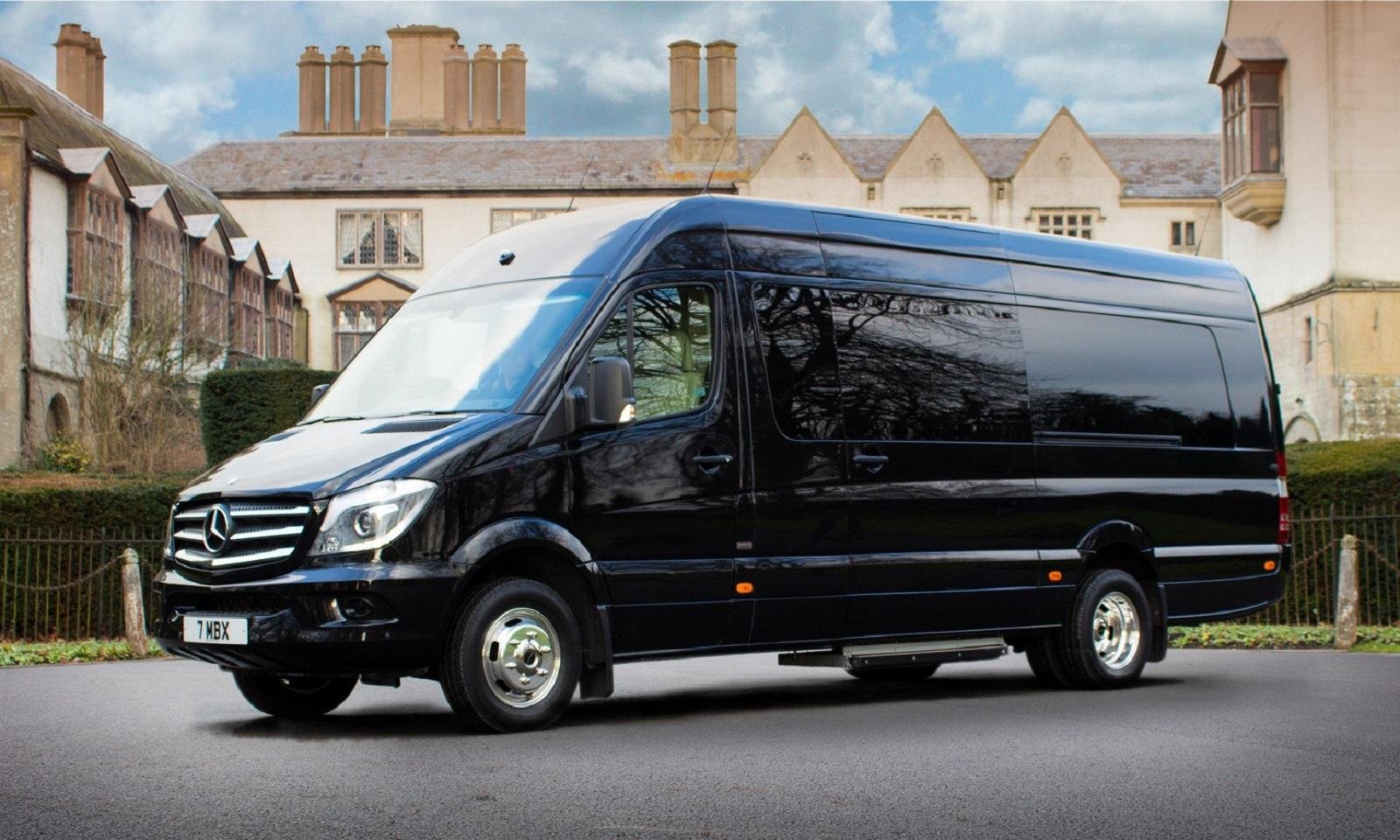
Explore Northern Ireland's iconic coast and Belfast's history on a customizable, private 12-hour luxury tour from Dublin.
Board the coach in central Dublin early in the morning and travel north across the border into Northern Ireland.
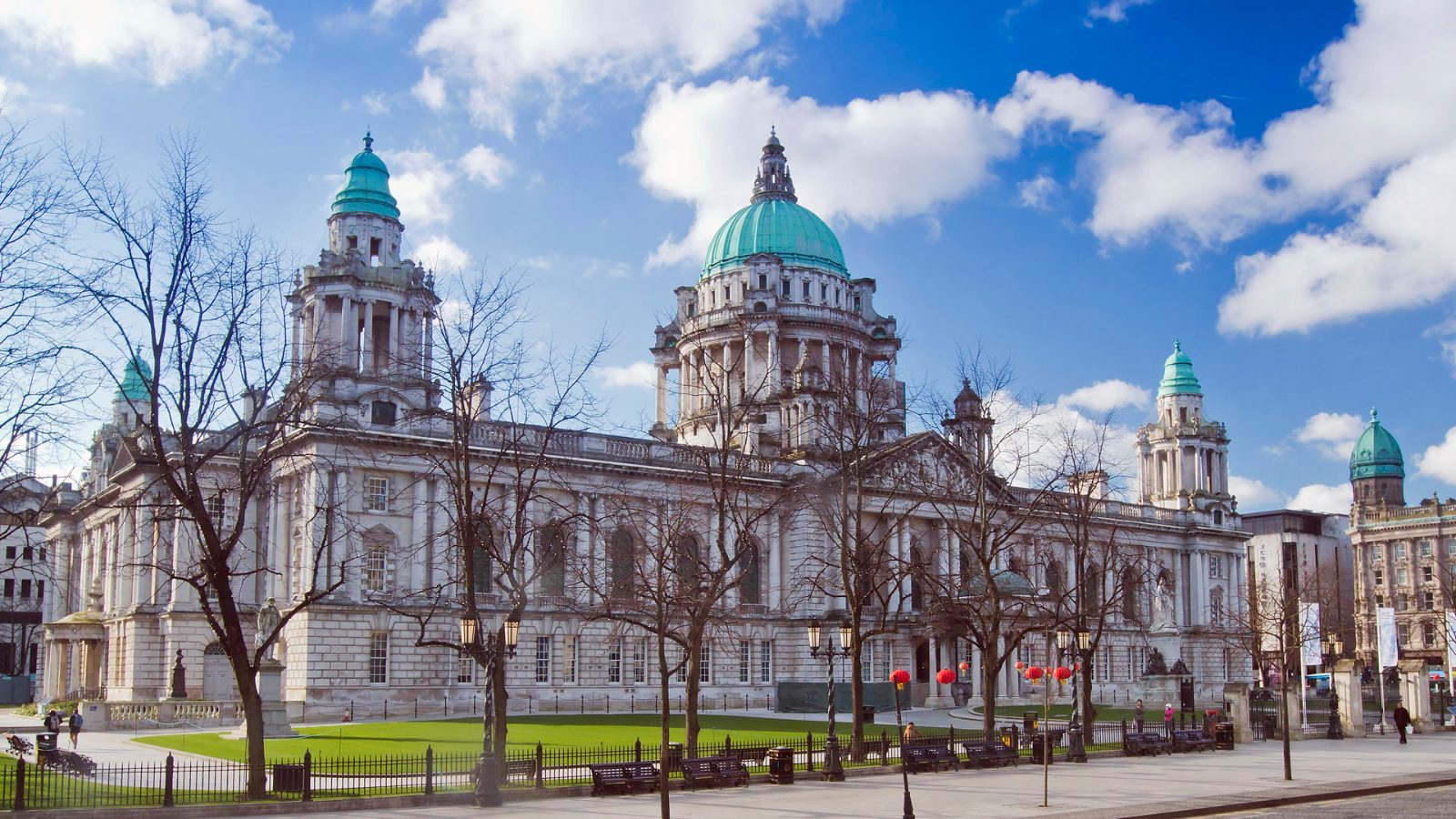
Arrive in Belfast for a short city tour, viewing the Belfast Peace Walls or taking a brief stroll in the city center.
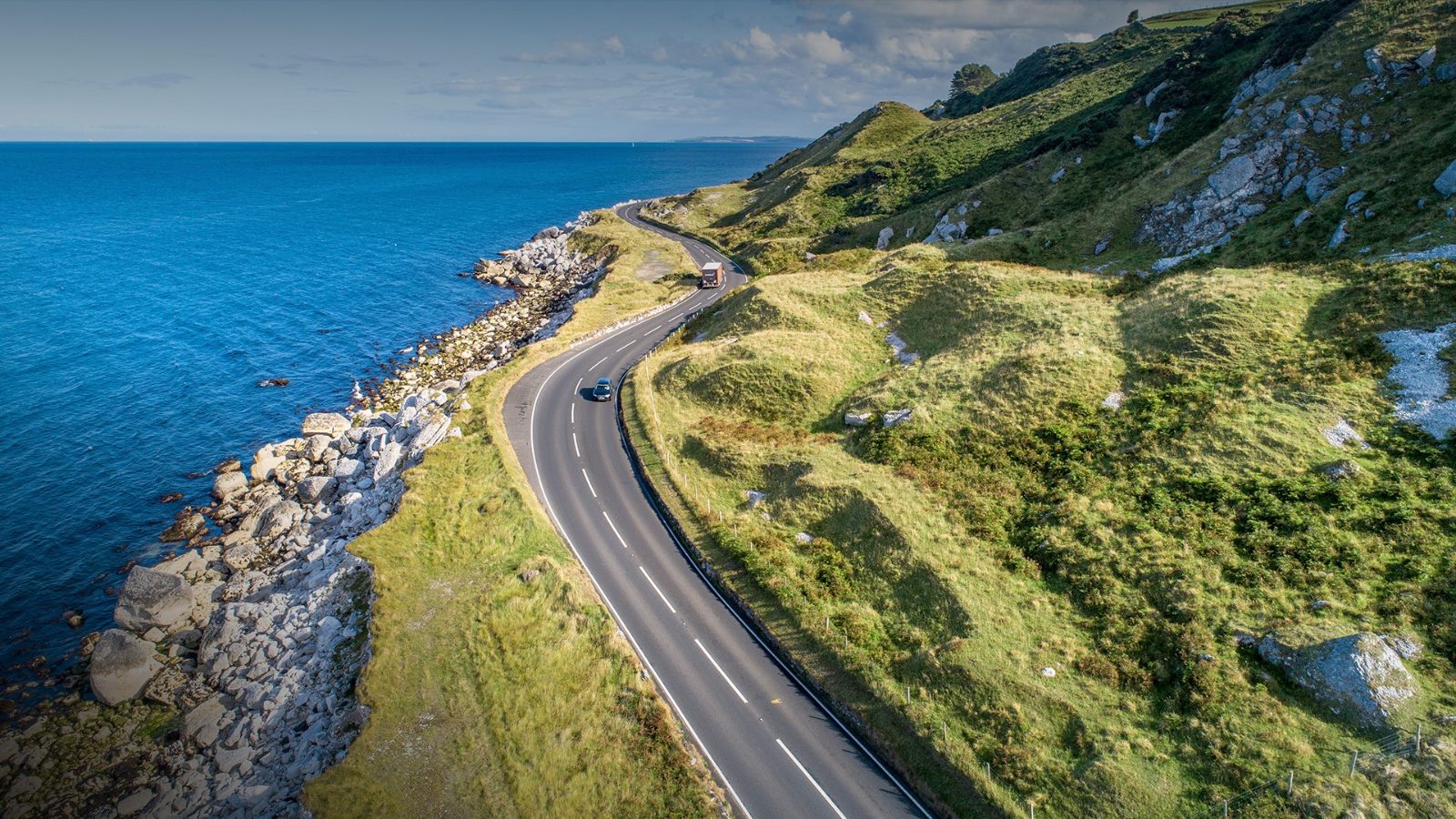
Travel along the scenic Causeway Coastal Route, enjoying views of the Irish Sea and rugged cliffs.
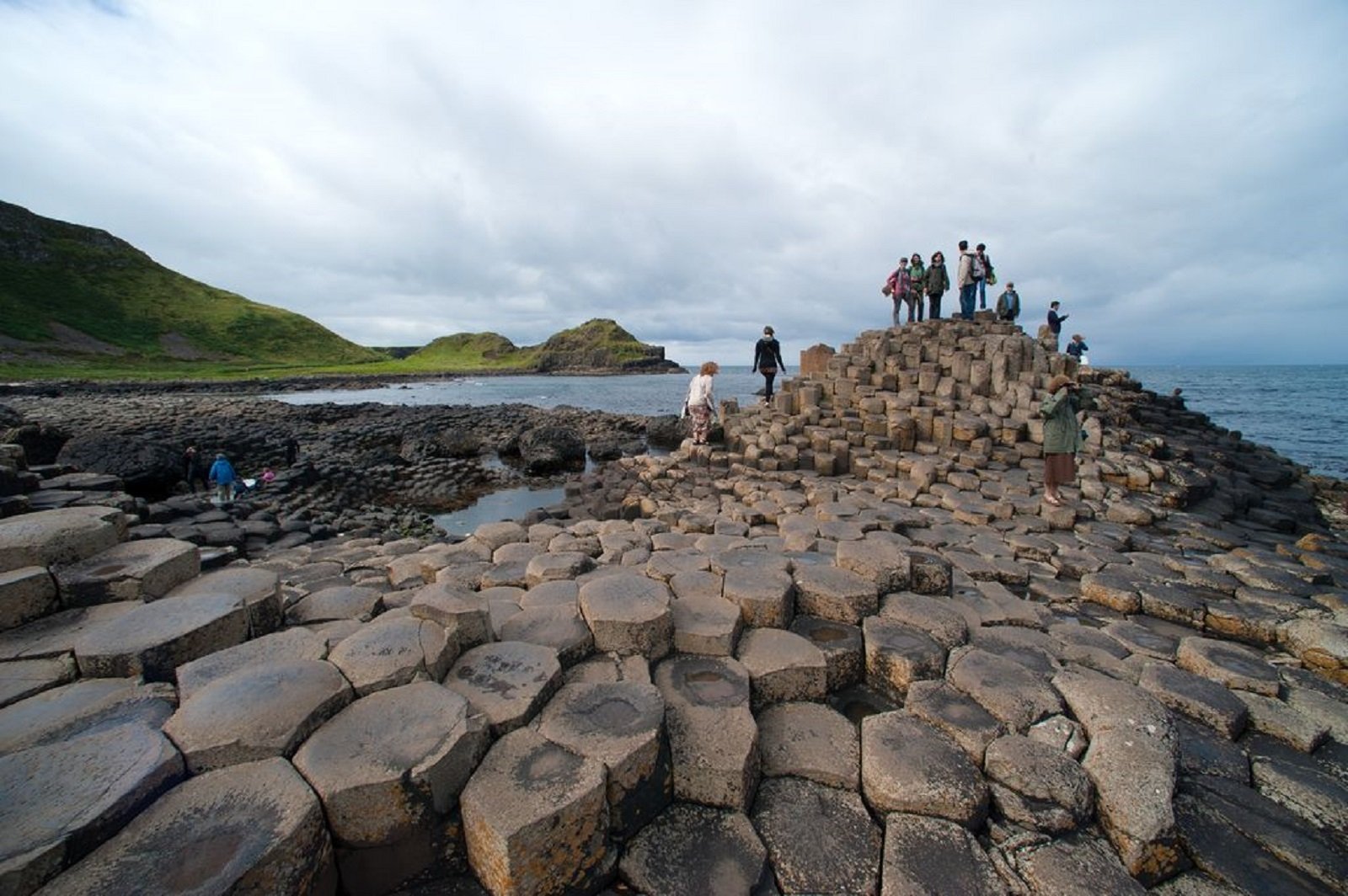
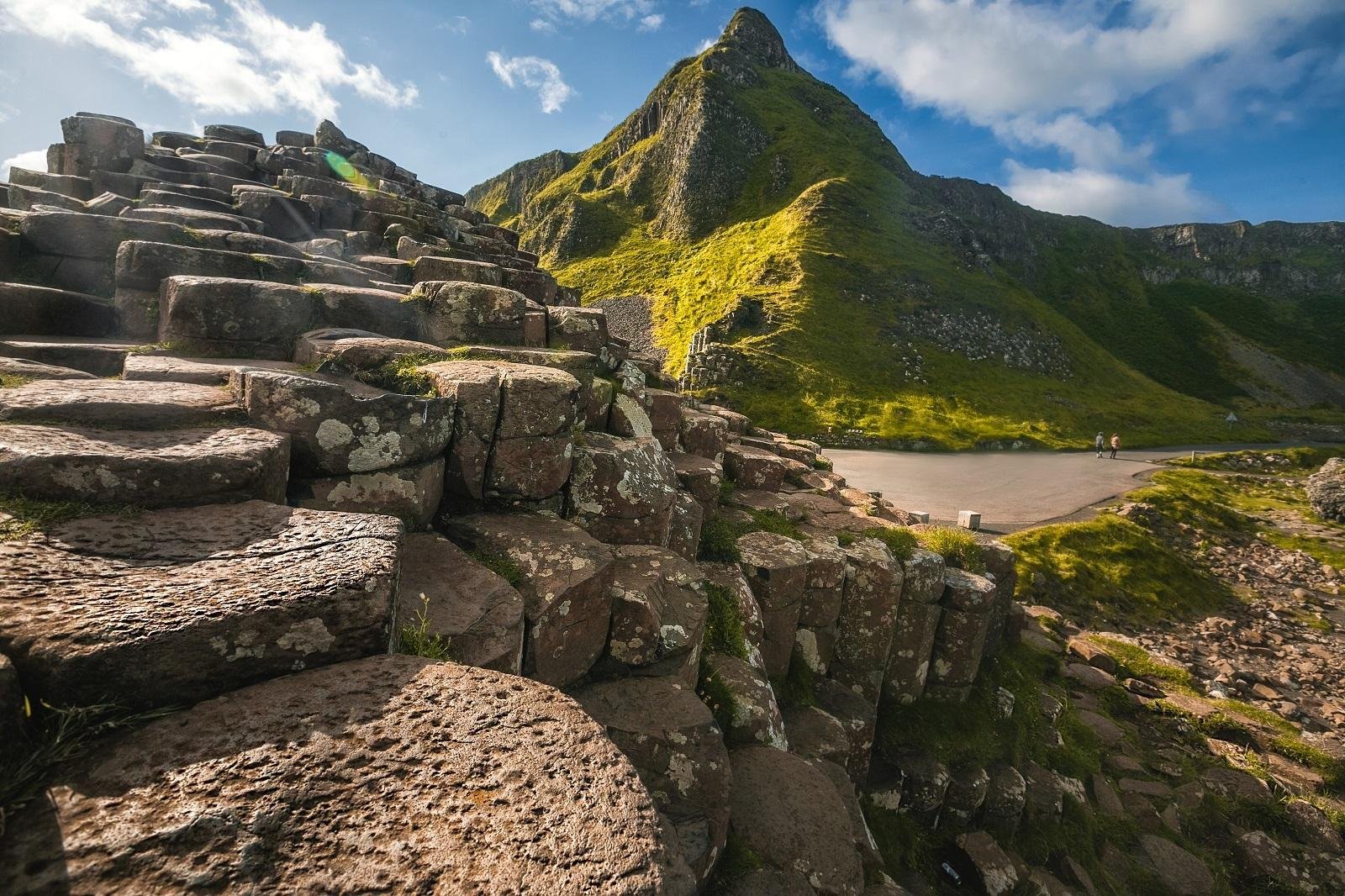
Explore the unique hexagonal basalt columns, walk the trails, and visit the National Trust site.
Reboard the coach for the direct return journey south to Dublin, arriving back in the evening.
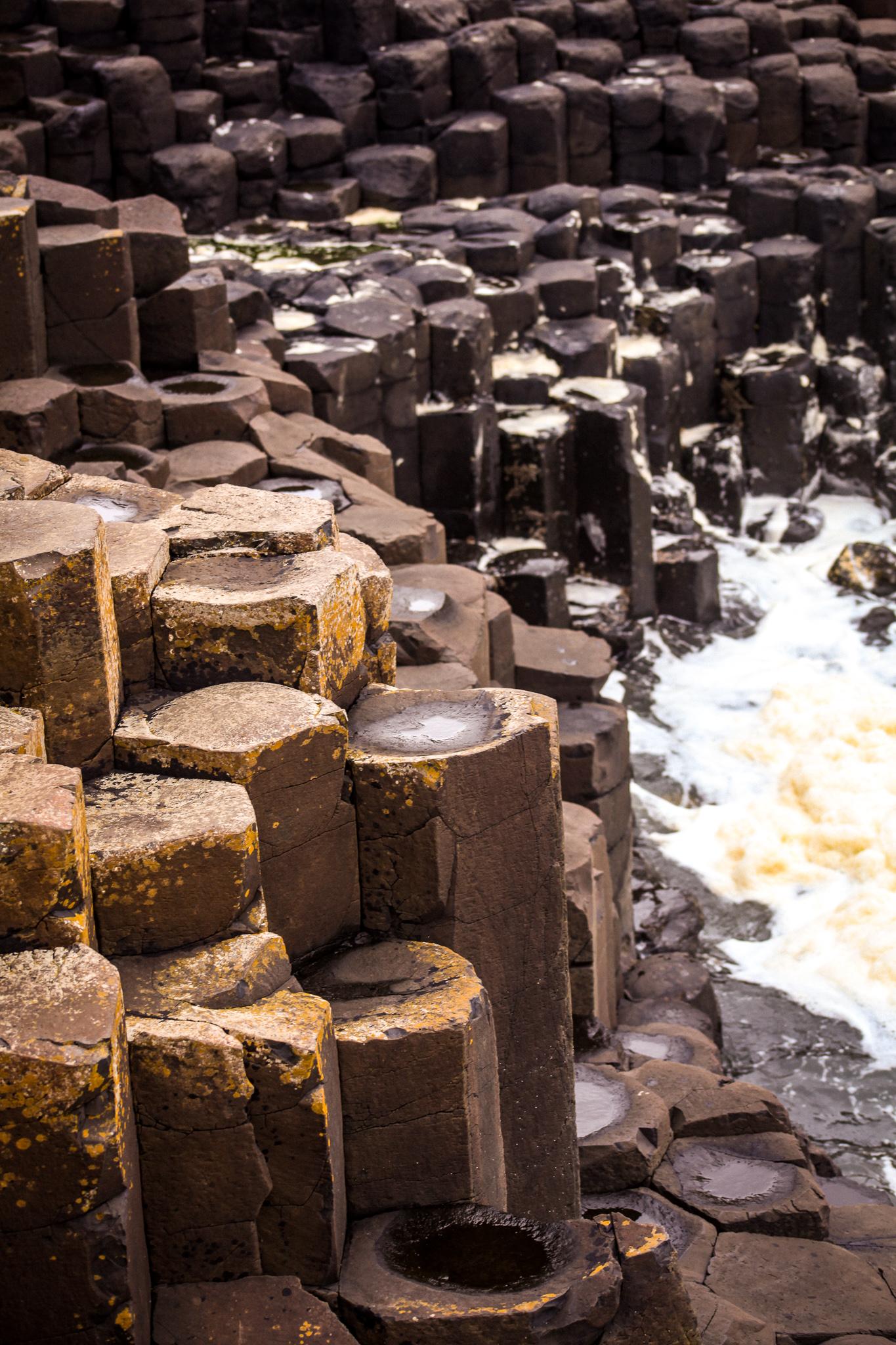
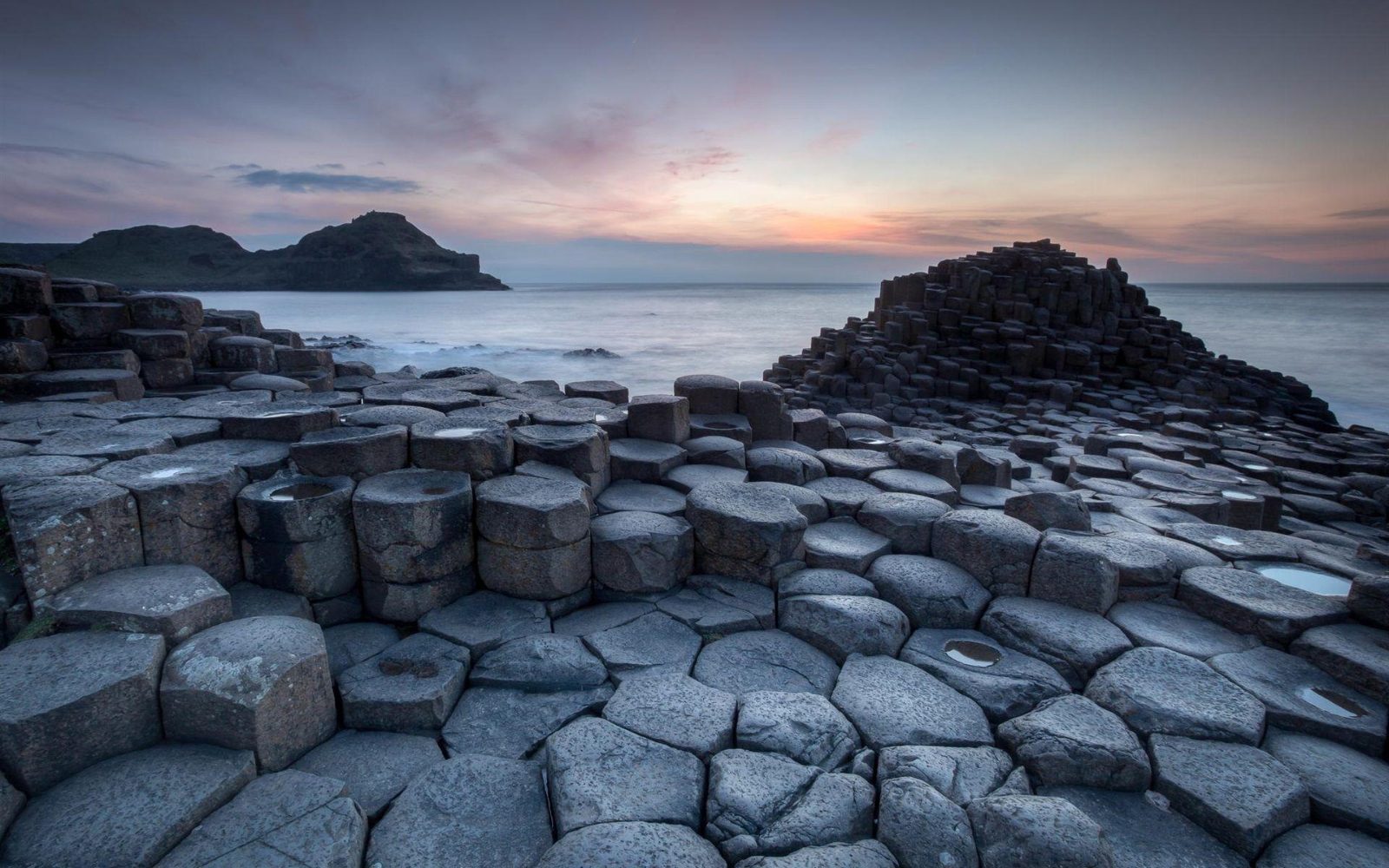
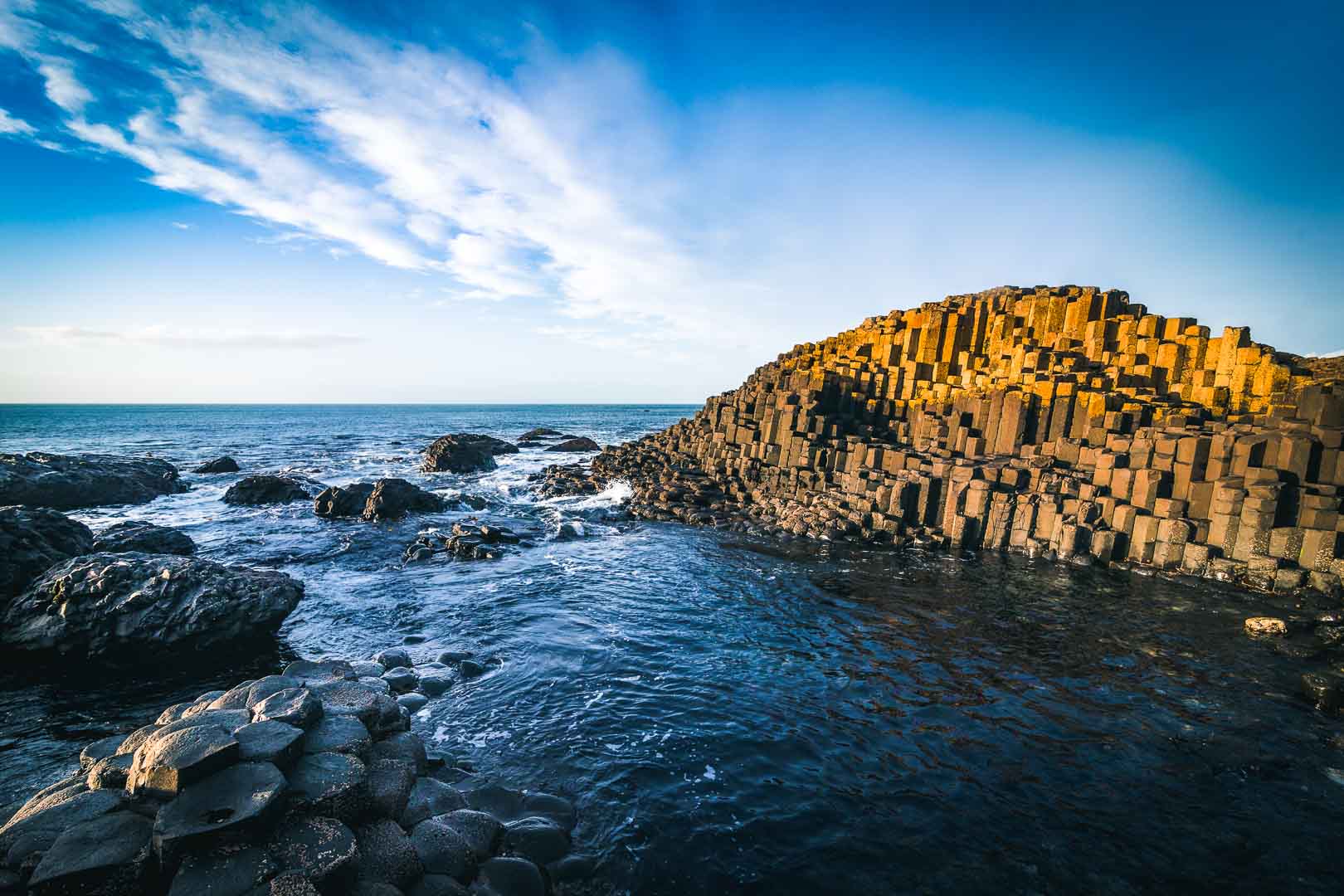
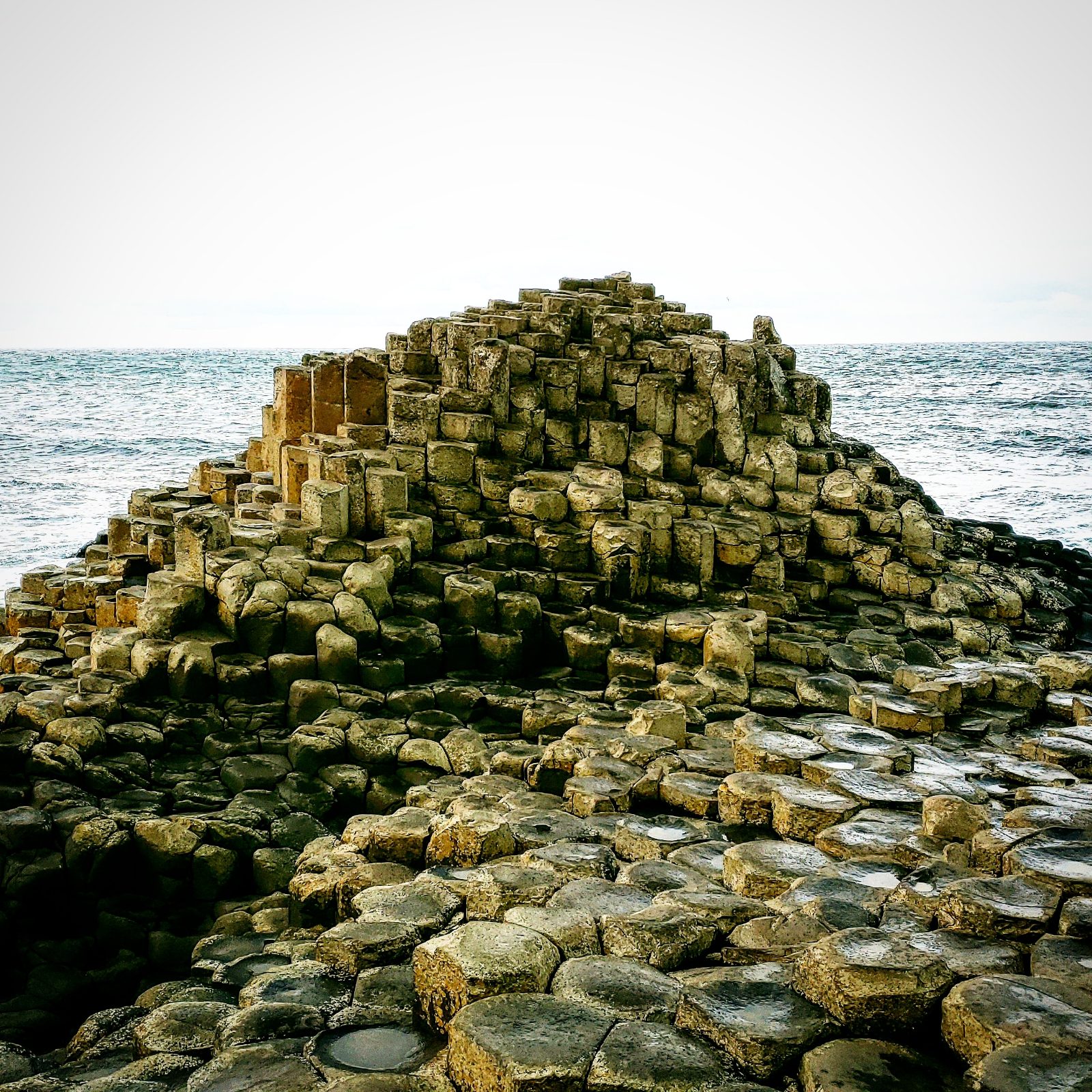
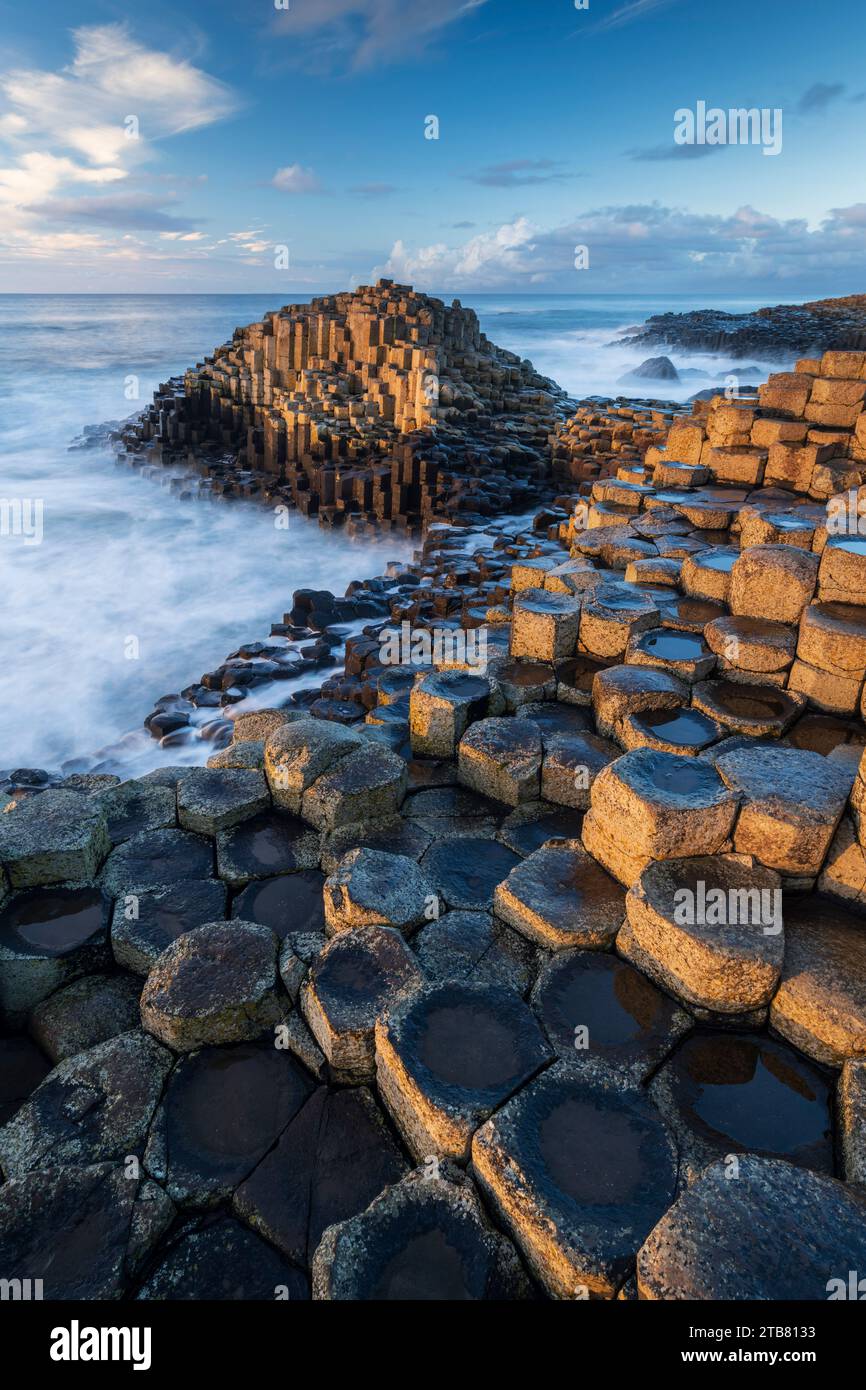
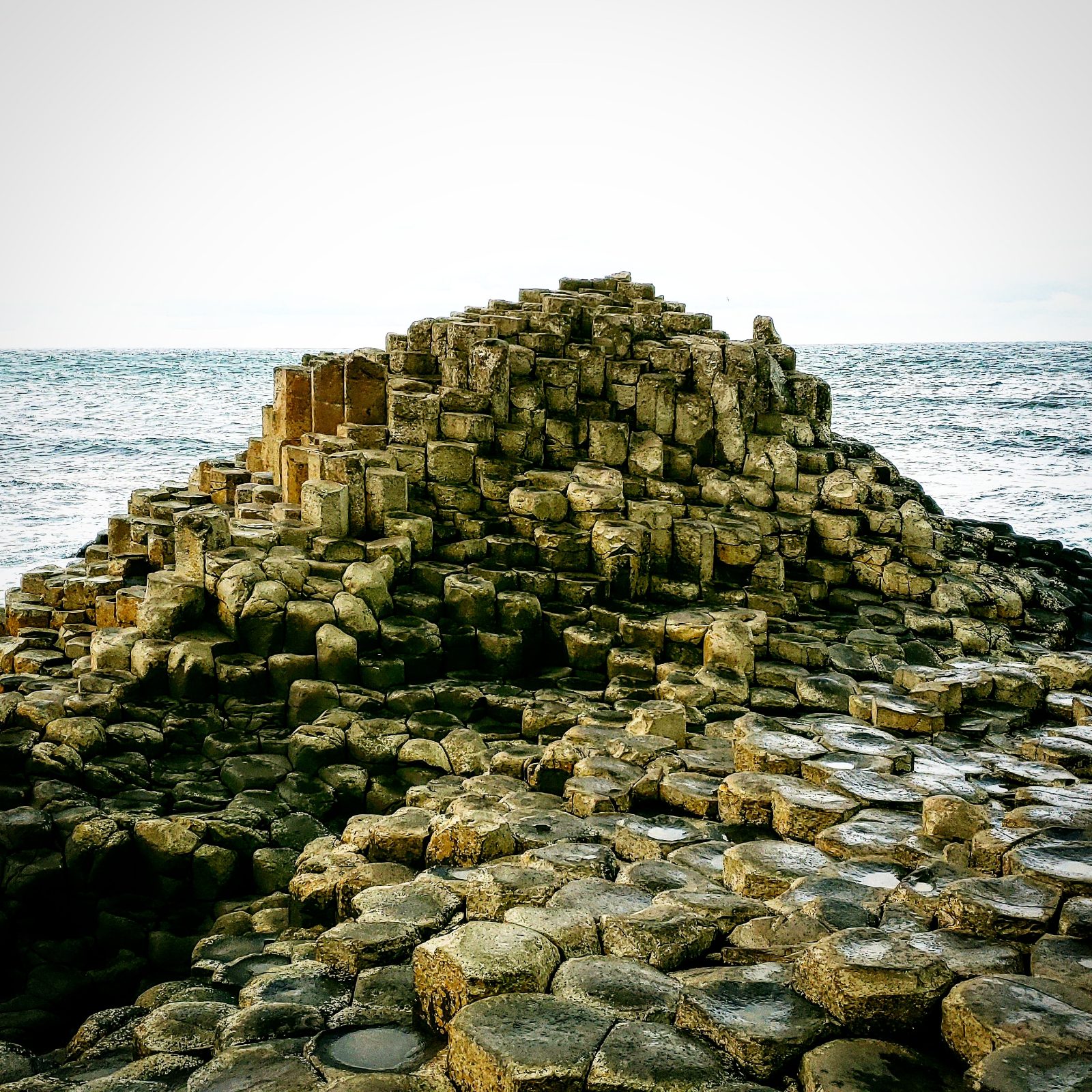
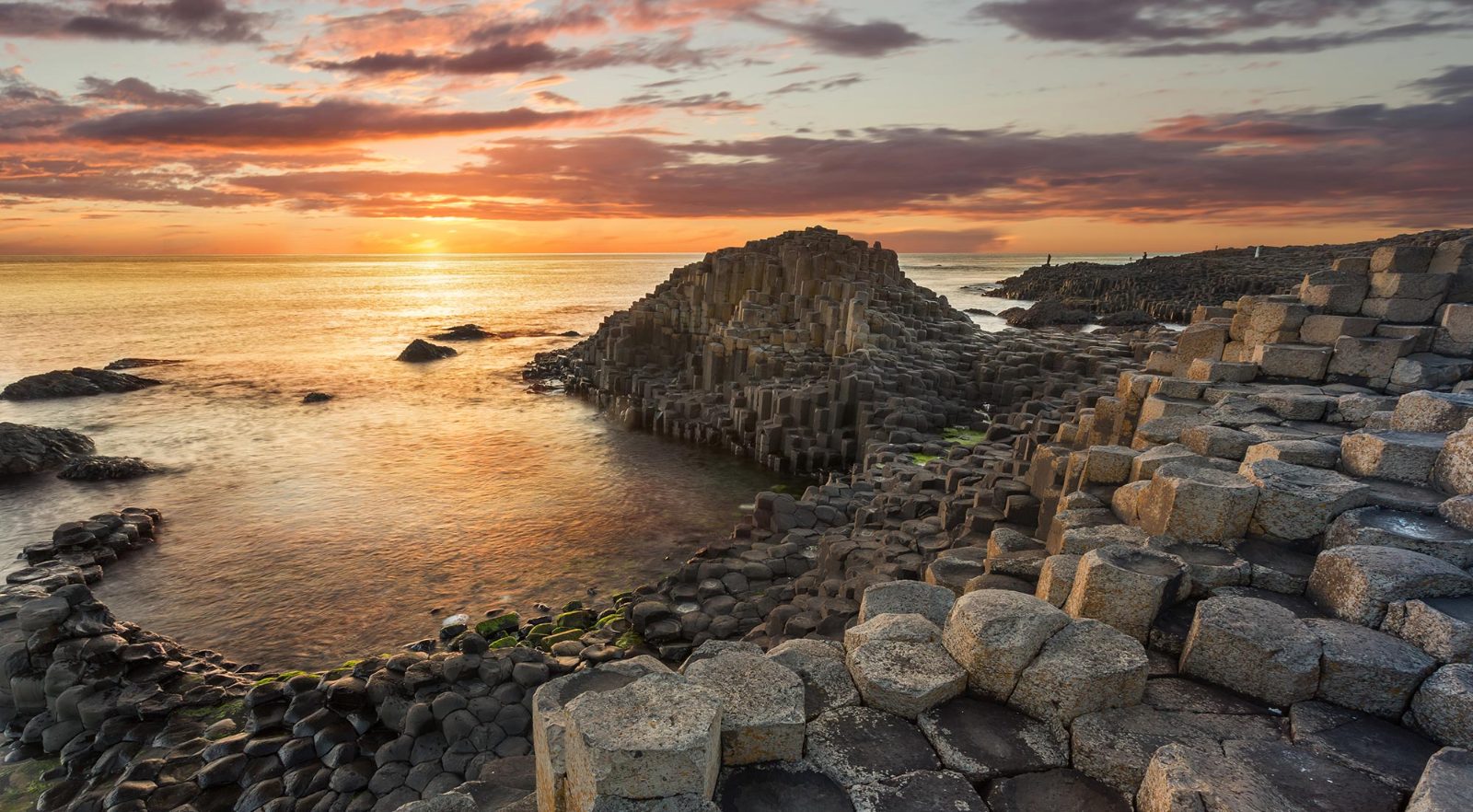
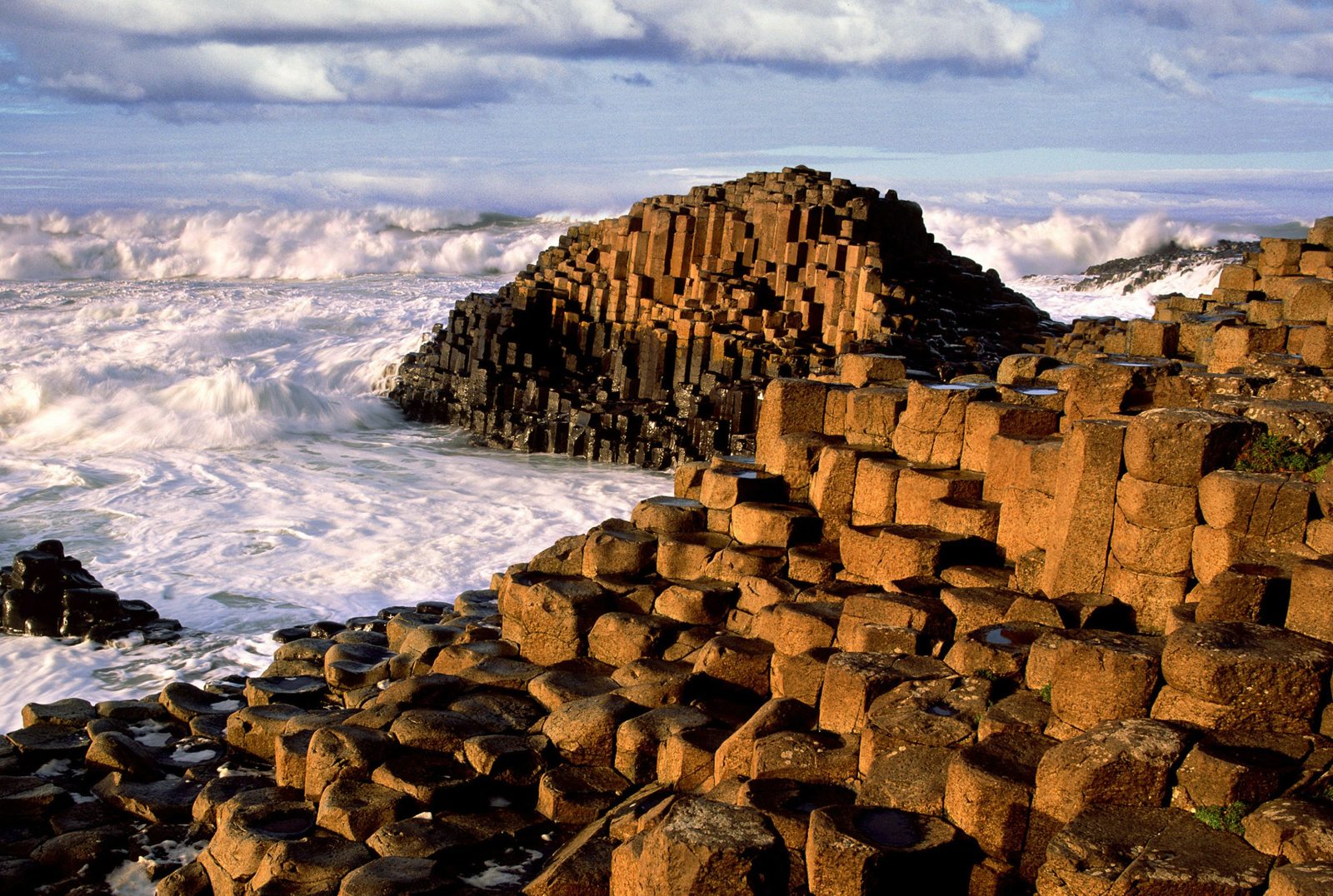
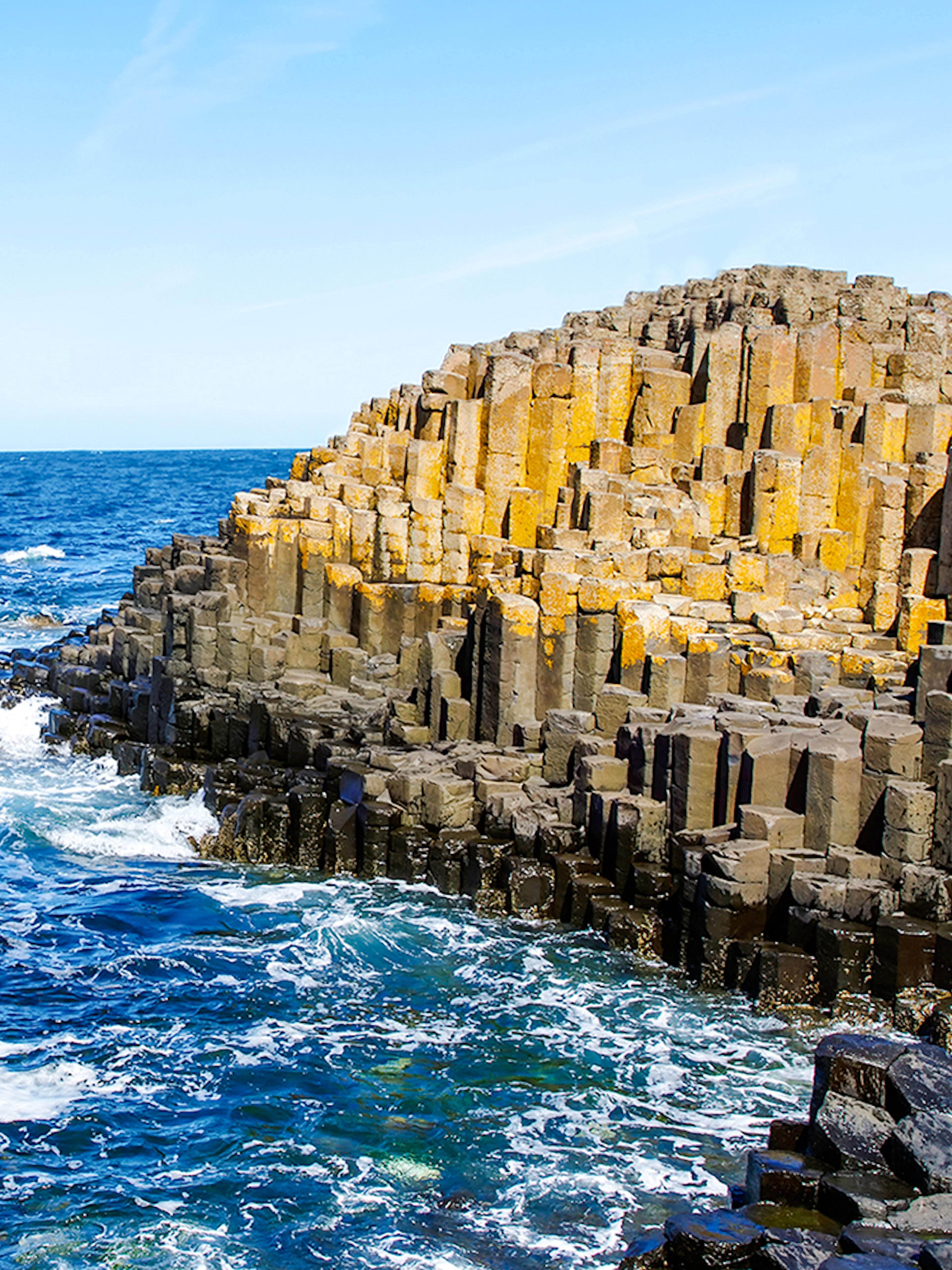
This is the largest of the three rock outcrops at the site, consisting of more than 40,000 interlocking basalt columns created by volcanic activity 60 million years ago.
A natural throne-like formation made of basalt columns that have been worn smooth by millions of visitors sitting on them over the years. Legend says it grants a wish to anyone who sits in it.
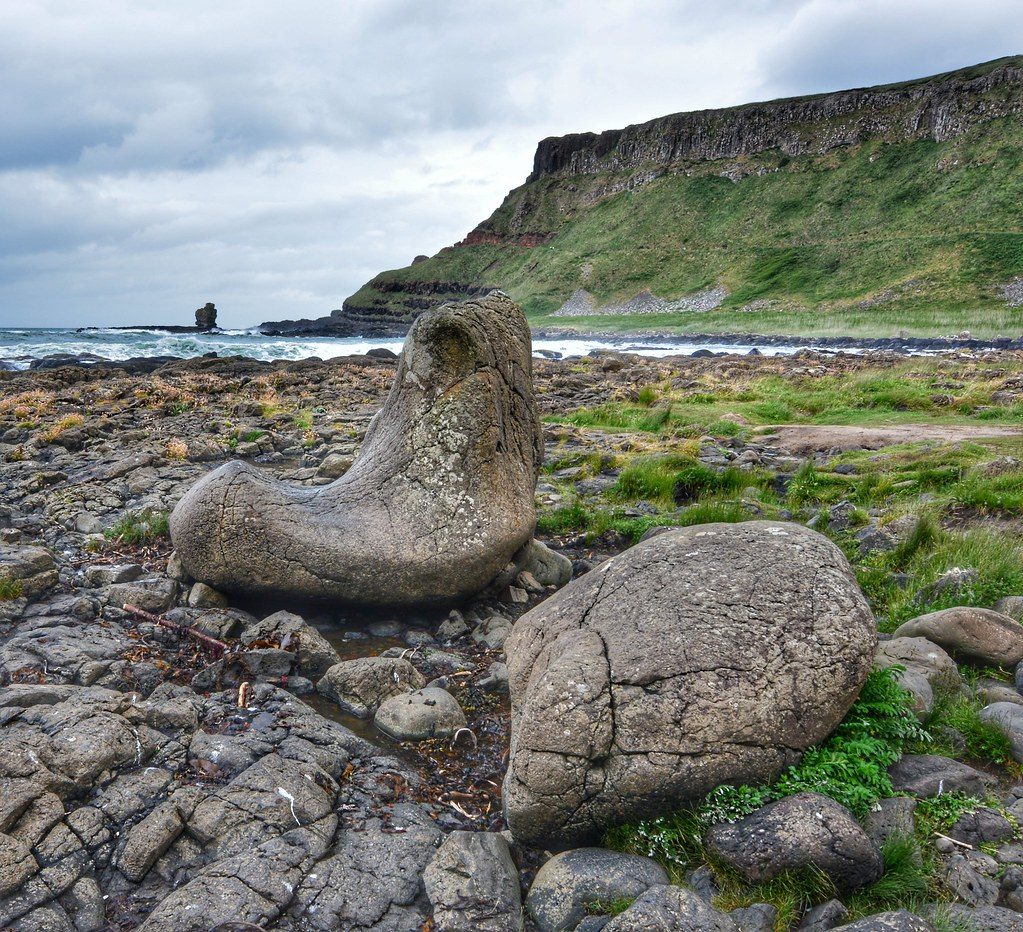
This isolated rock structure stands nearly 2 meters tall and resembles a large boot. According to local myth, the giant Finn McCool lost this boot while fleeing from his rival, Benandonner.
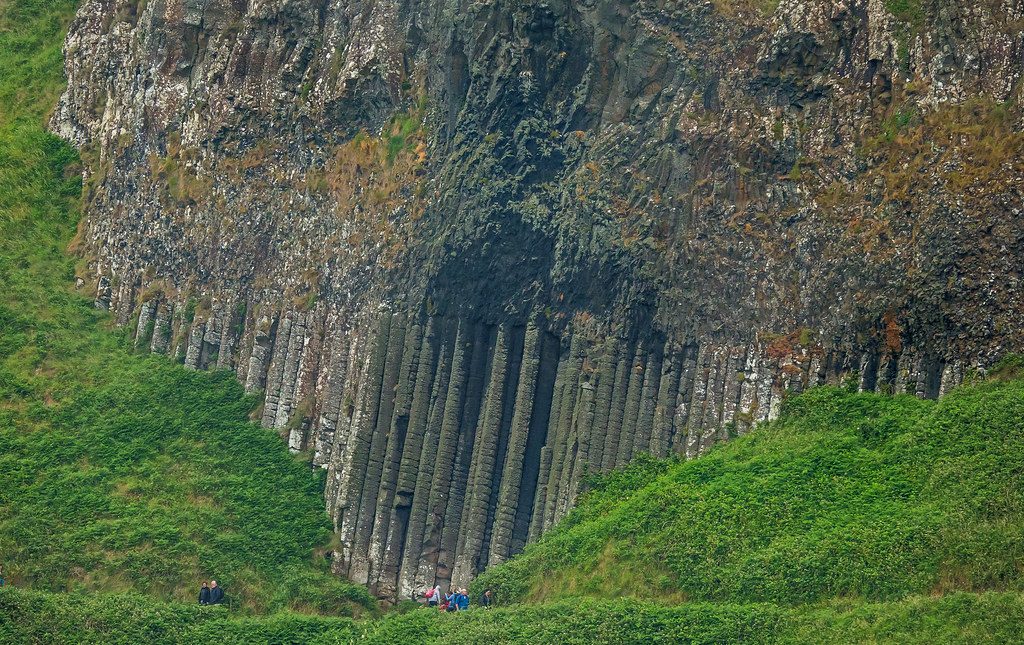
A unique cliff-face rock formation consisting of dozens of vertical columns that rise 12 meters high, resembling the pipes of a cathedral organ. Its geometry is a classic example of cooling lava patterns.
A basalt rock formation located at the base of the cliffs that resembles a resting camel. Geologists identify it as a classic example of a basalt dyke created by cooling lava.
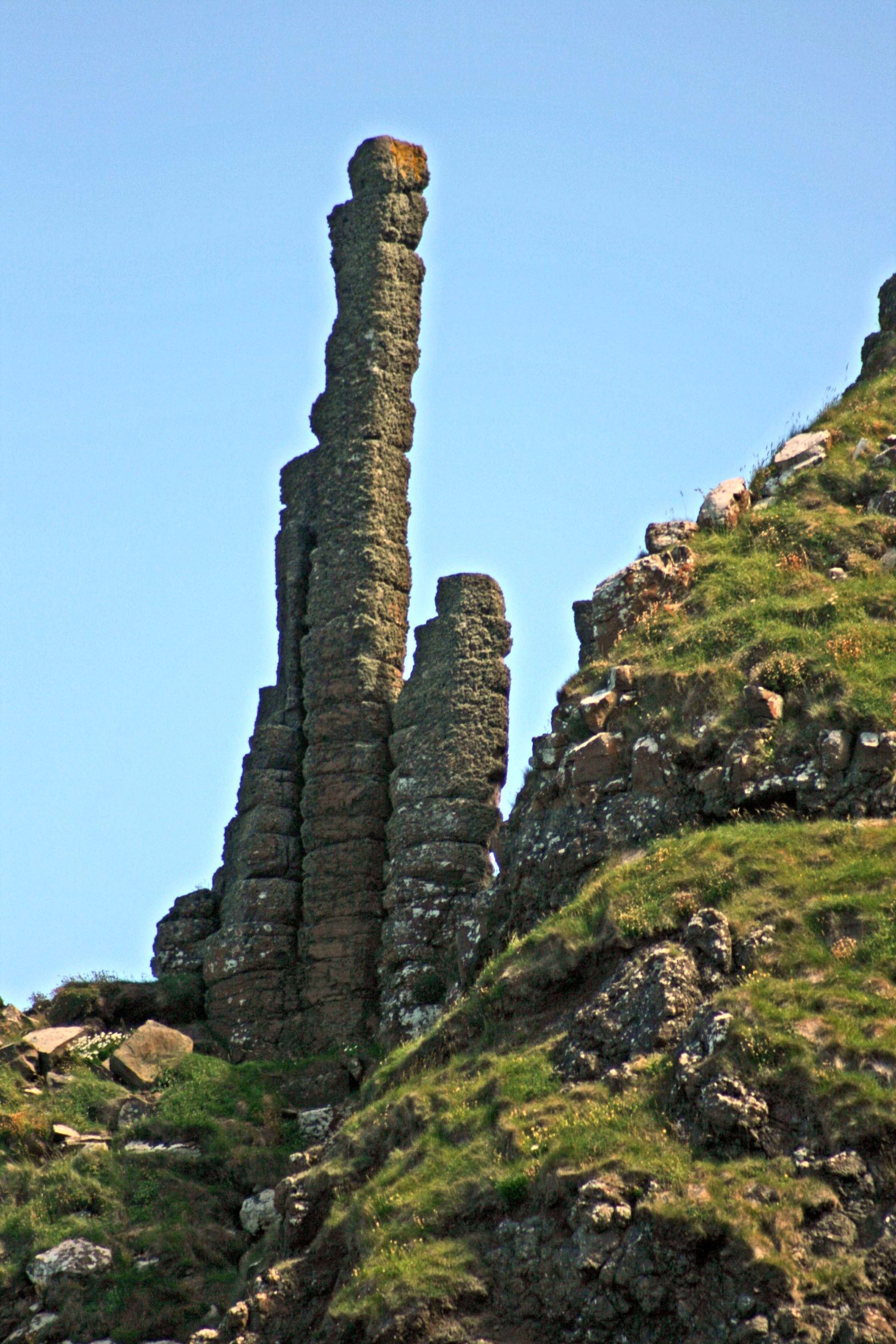
These tall basalt columns protrude from the clifftops and were once mistaken for chimney stacks of a castle by the Spanish Armada in 1588, leading to a historic shipwreck nearby.
You board in central Dublin while it is still dark, and the coach clears the M1 before the city fully wakes. The border passes without ceremony; the road signs switch from kilometres to miles somewhere past Newry.
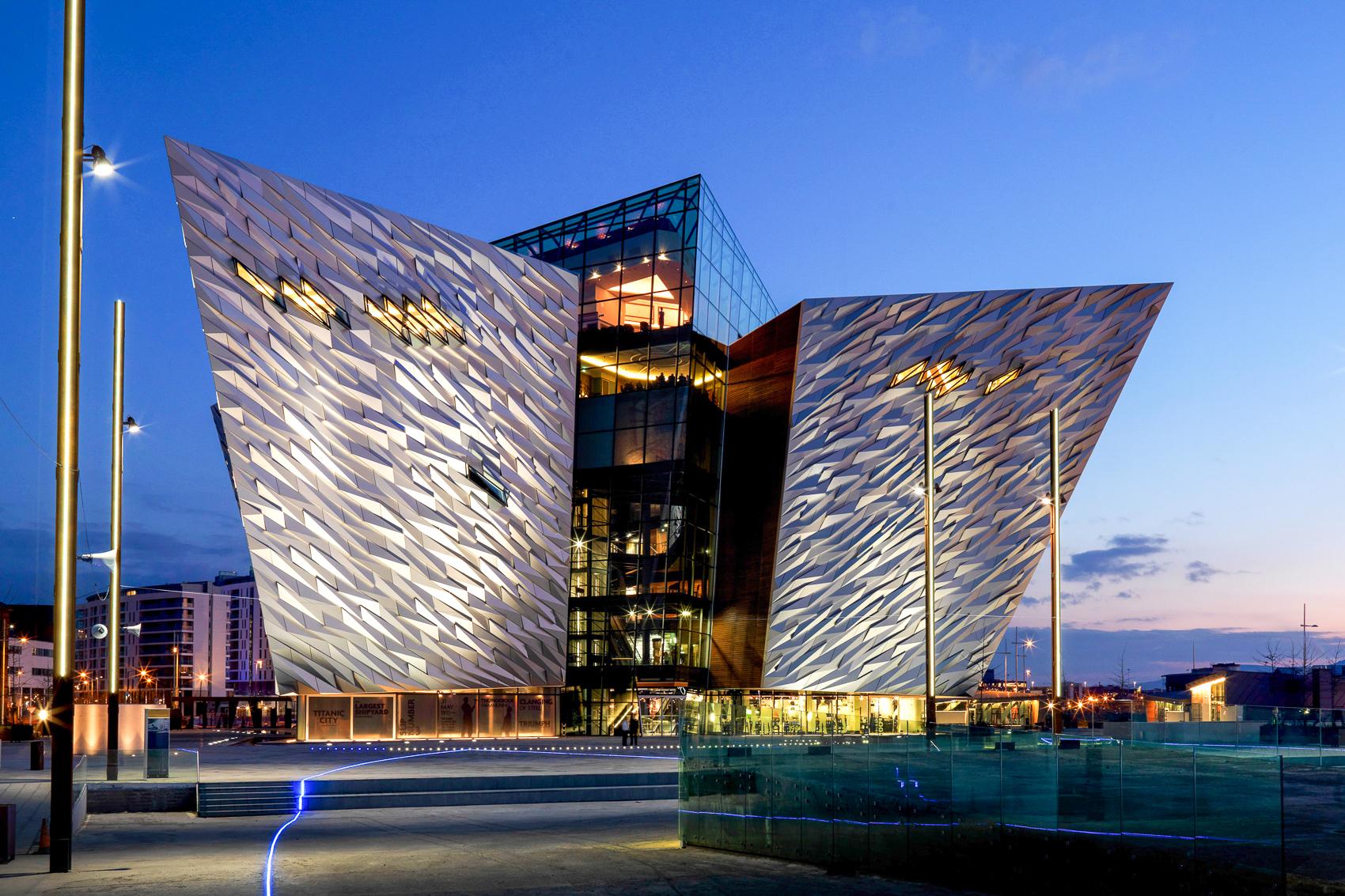
Belfast comes first on most routes — the Titanic Quarter, the painted slipway markings, the Harland and Wolff gantries standing over the water — or last, depending on the itinerary you choose.
Then the coast. You step off at the Dark Hedges and walk beneath beech branches grown into a tunnel. At Dunluce you look down through the gap where the cliff simply gives out. By the time the coach reaches 44 Causeway Road, you have crossed most of County Antrim.
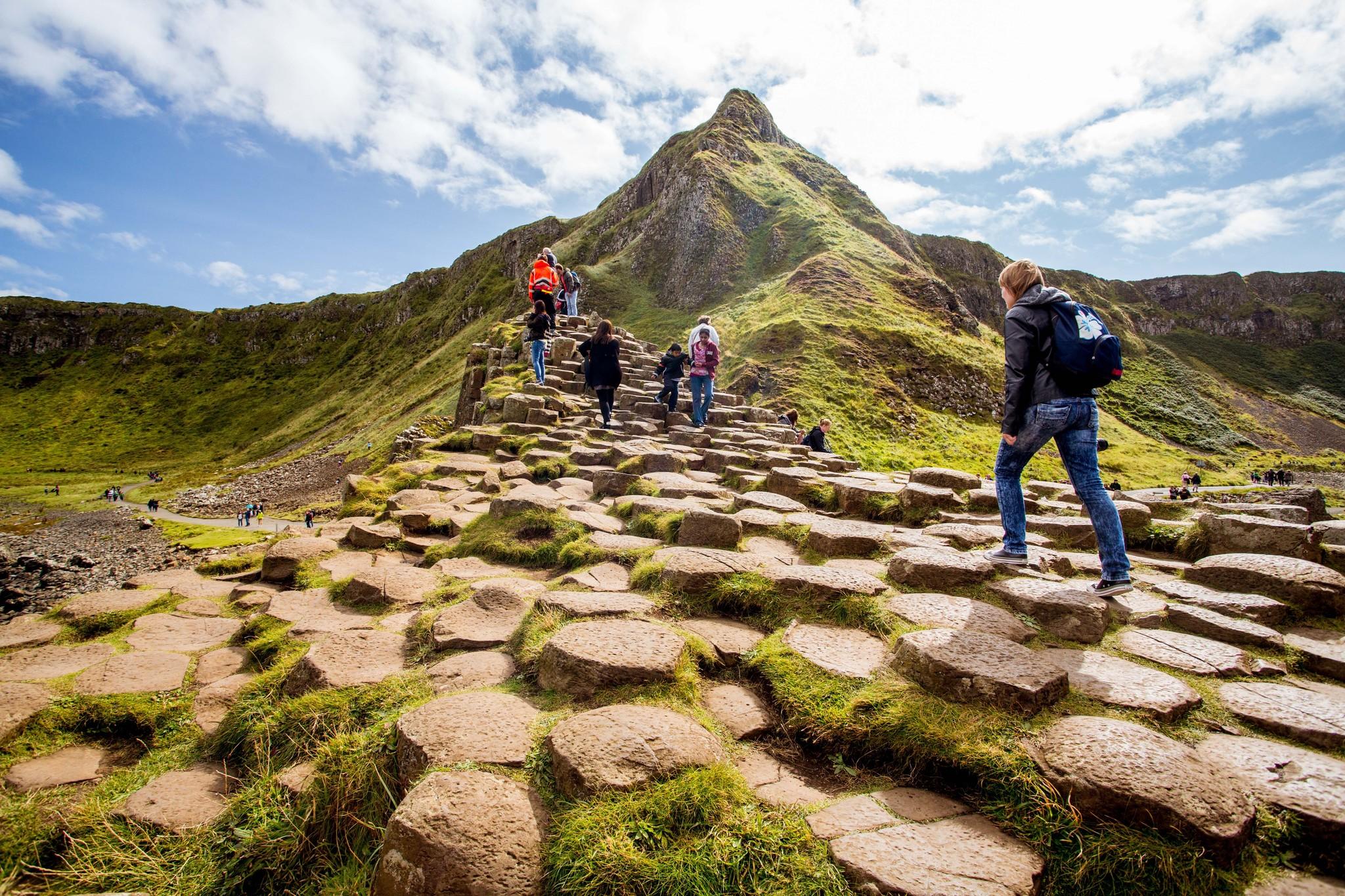
At the headland you have a choice of feet. The clifftop path drops to the shore by the Shepherd's Steps, 162 of them, or you follow the low road down past the Camel and the Giant's Boot. Walking out to the stones is free; the 16 GBP Visitor Experience admission covers the exhibition and parking, and most tour from Dublin to Belfast and Giant's Causeway tickets bundle that entry into the fare. You put a hand flat on a column top. It is colder than you expect, and level enough to balance a coffee cup on. Spray comes over the outer stones in a thin sheet. Then you climb back, and the coach turns south again.
All the details about your upcoming adventure in one place
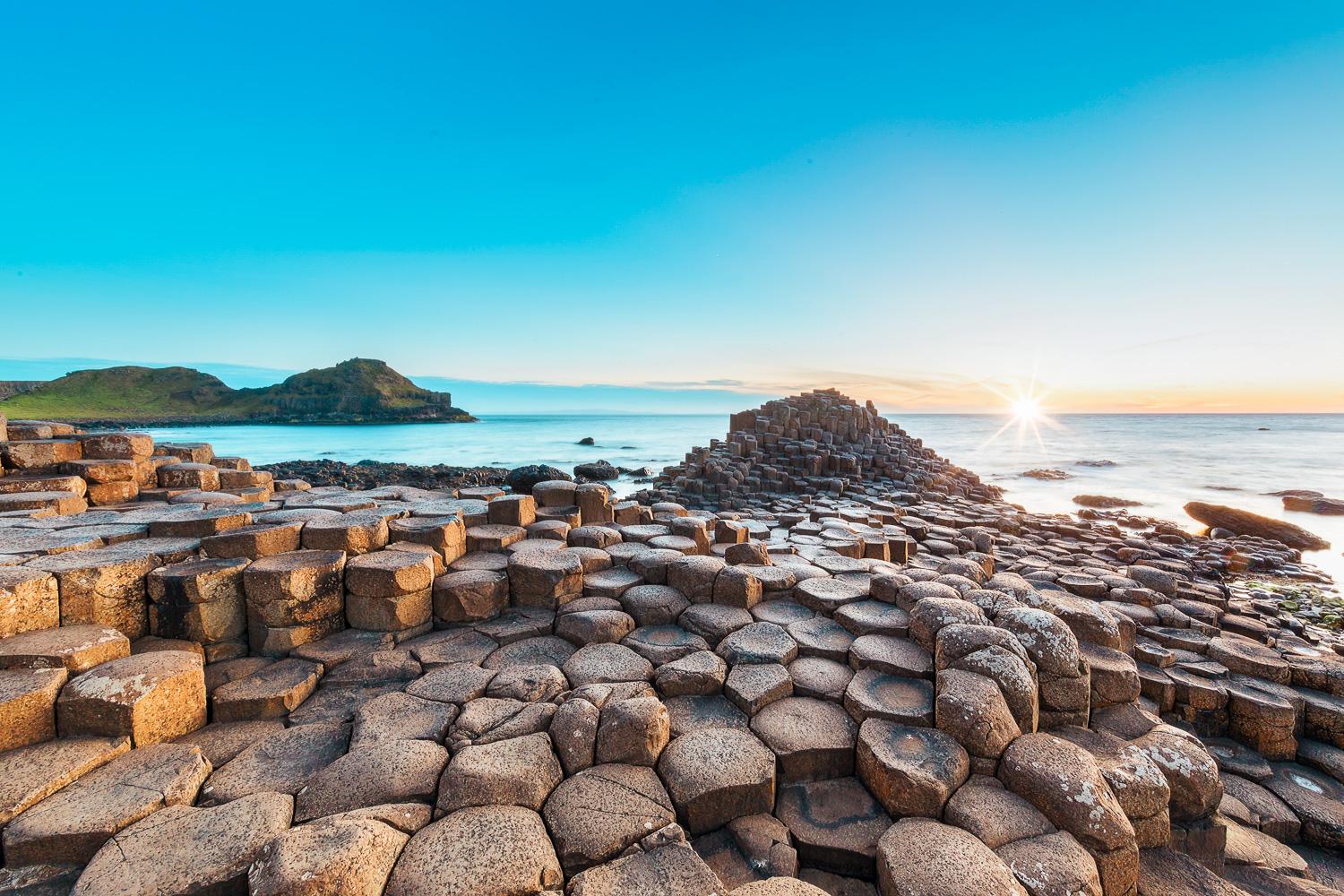
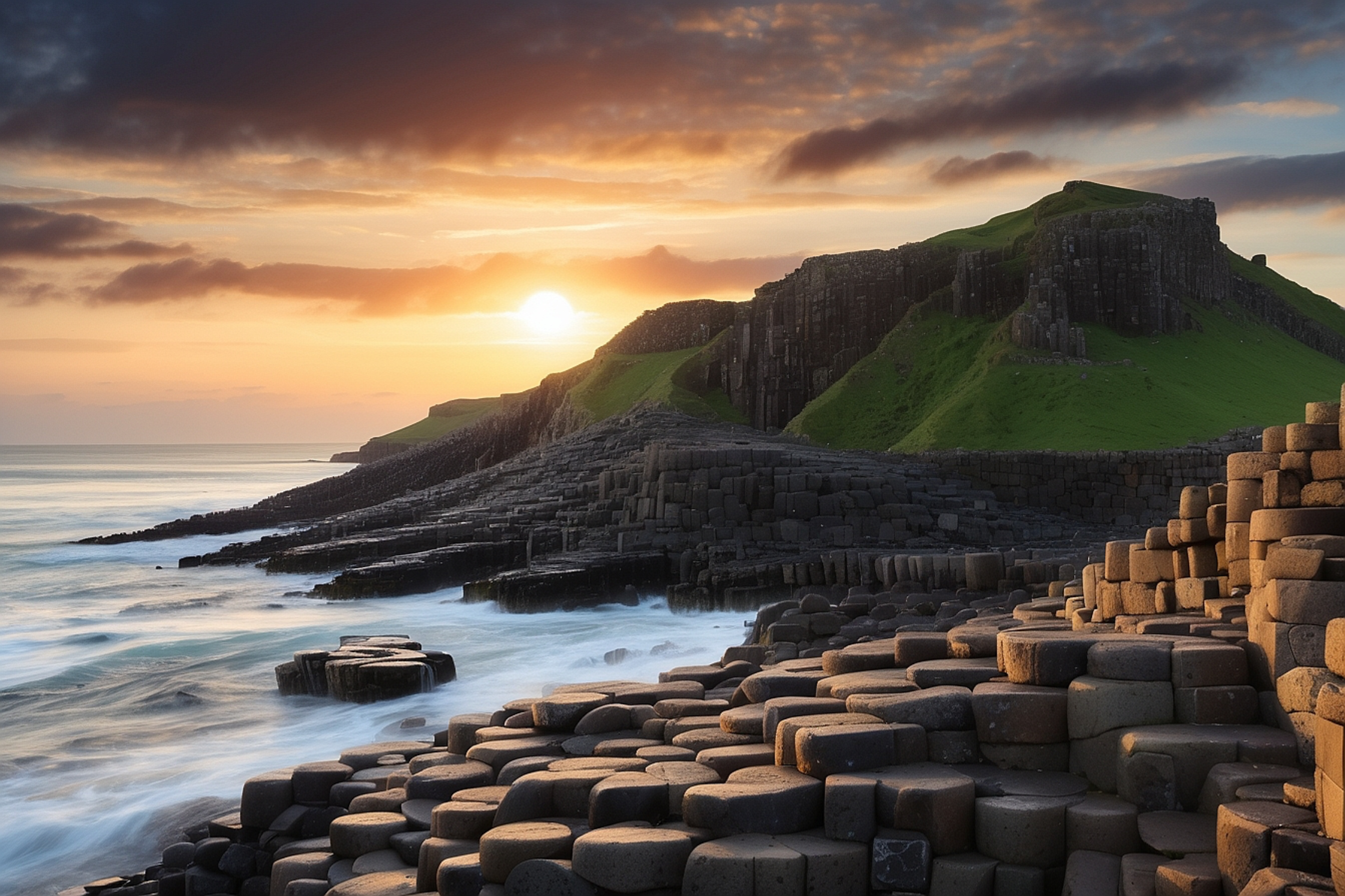
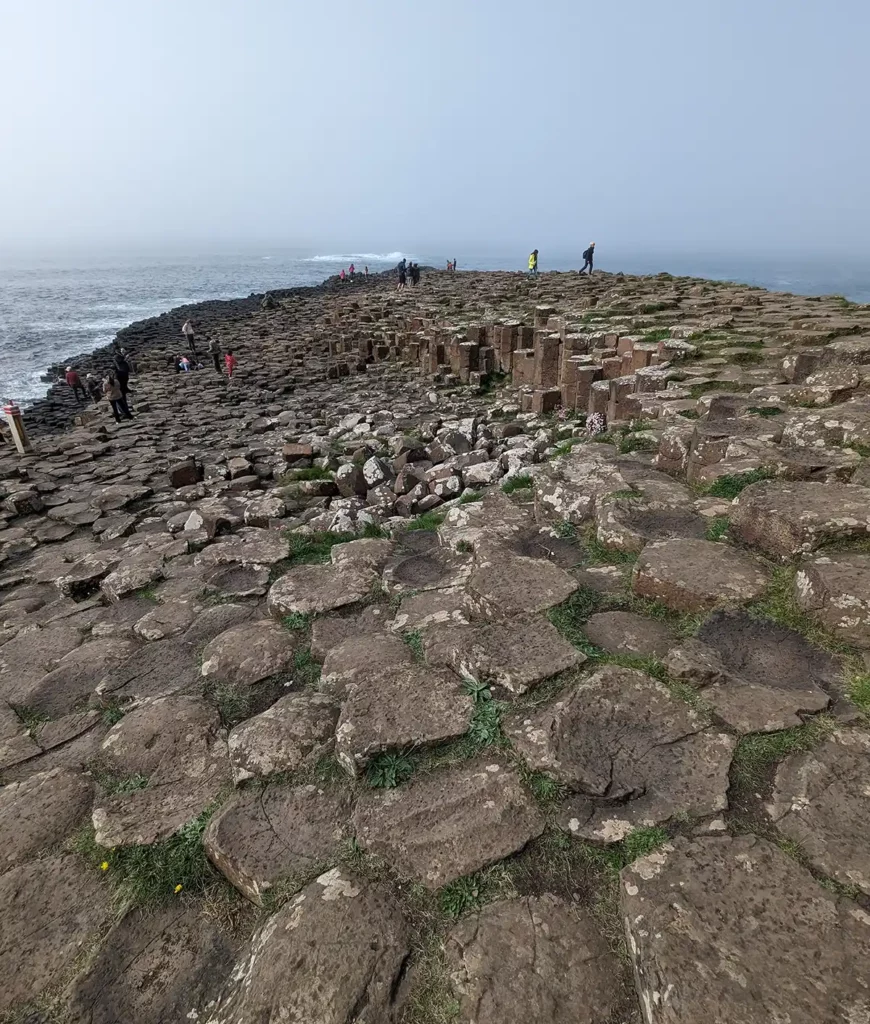
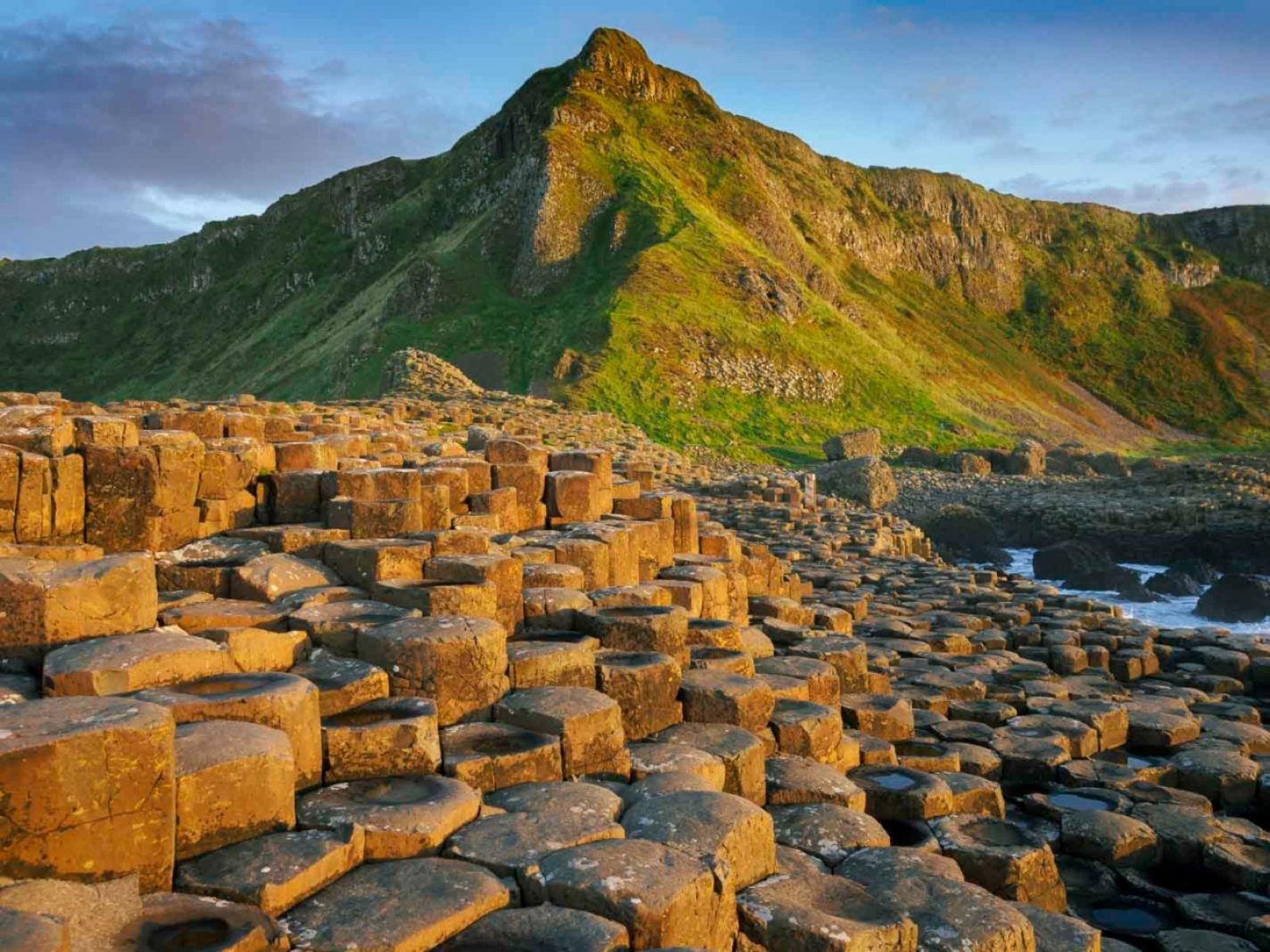
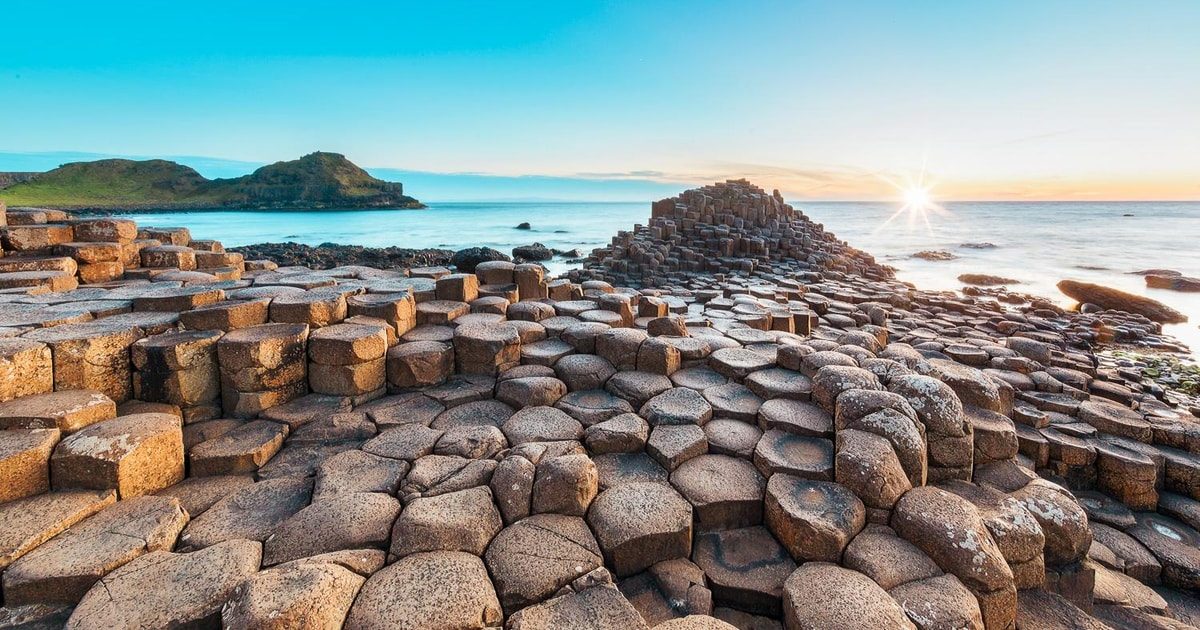
Around 40,000 interlocking basalt columns sit at the foot of the Antrim cliffs, and almost all of them are hexagonal. They formed roughly 60 million years ago, when a Palaeogene lava plateau cooled and contracted into near-perfect polygons. Geologists call the process columnar jointing.
Irish tradition — which knows the place as Clochán an Aifir — credits Finn McCool, who is said to have laid a road across the sea to reach the Scottish giant Benandonner. The same formation resurfaces at Fingal's Cave on Staffa, roughly 120 kilometres away. Tour from Dublin to Belfast and Giant's Causeway tours now trace both explanations across a single day.
The site entered the European record in 1693, when Sir Richard Bulkeley reported it to the Royal Society. The Dublin artist Susanna Drury painted it in 1739, and her gouaches carried the image across the continent. Antiquarian argument followed: Neptunists held that the rock had precipitated from water, Vulcanists insisted on fire. Fire won. UNESCO inscribed the Giant's Causeway and Causeway Coast as Northern Ireland's first World Heritage Site in 1986; the National Trust has held the headland since 1961.
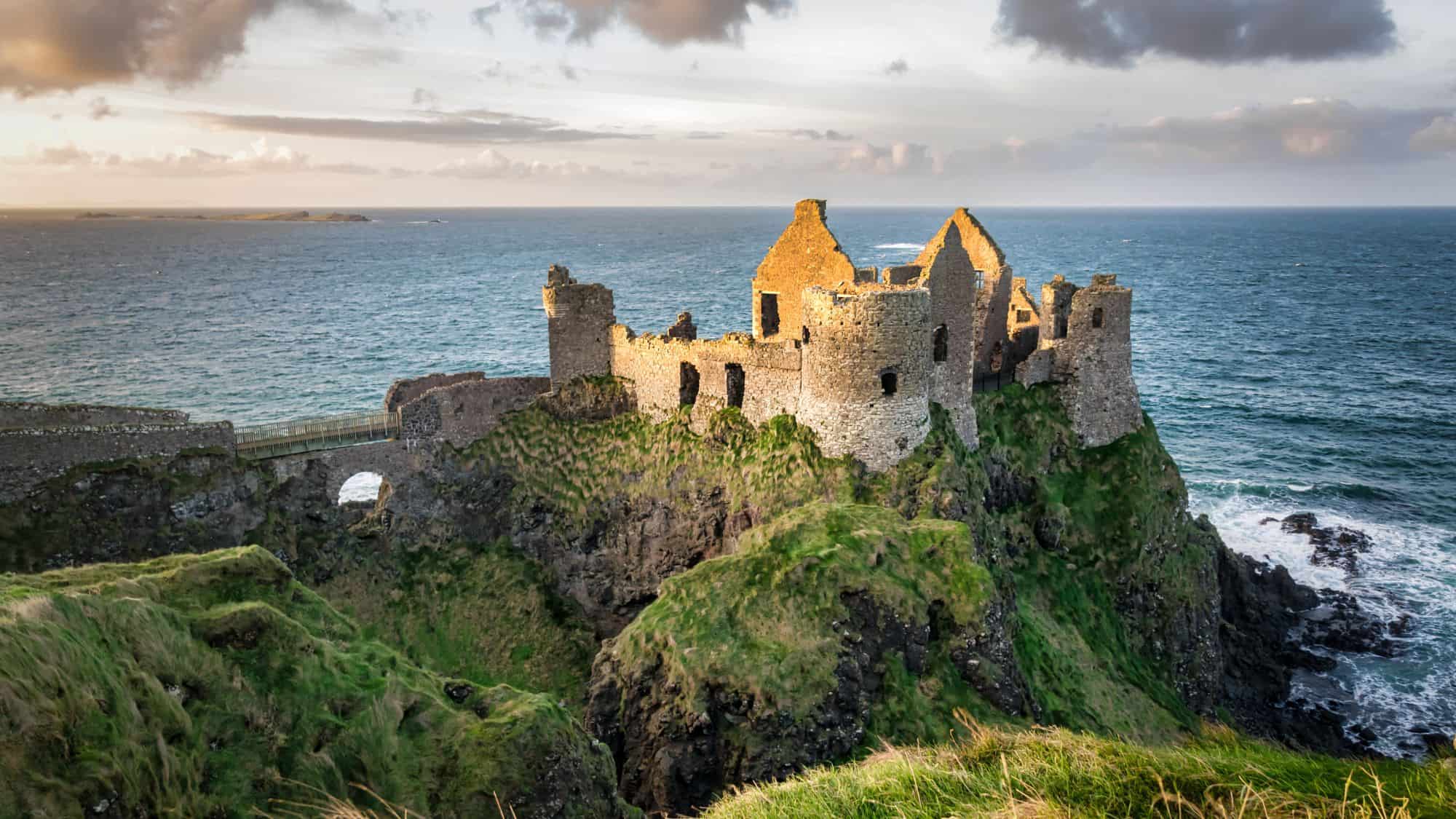
The stones do not stand alone. The A2 Causeway Coastal Route threads past Dunluce Castle, a MacDonnell stronghold whose kitchen is said to have fallen into the sea in 1639, and the Dark Hedges, a beech avenue planted by the Stuart family around 1775. Ninety minutes south, Belfast keeps a different record of rock and iron: Titanic Belfast stands on the Harland and Wolff slipways where the hull was launched in 1911. A Northern Ireland highlights day trip binds shoreline, ruin and shipyard into one corridor that the railway age never quite managed to sell as a single idea.
The visitor building at 44 Causeway Road, Bushmills, County Antrim, opened in 2012 to a design by Heneghan Peng Architects. Its roof is a folded wedge of grass, cut into the slope so the structure reads as landform rather than building; locally quarried basalt clads the walls. Inside, the exhibition sets geology against folklore and declines to settle the argument. Below, the Grand Causeway, Middle Causeway and Little Causeway step down to the Atlantic. The Giant's Boot, the Wishing Chair and the Organ — a rank of columns some 12 metres high — were named by nineteenth-century guides who charged for the telling. Any Tour from Dublin to Belfast and Giant's Causeway tour arriving on this headland inherits three centuries of that naming.

Fire won the argument, and the columns have been cooling in public ever since.
Due to volatile coastal weather and wet stone surfaces, wearing flat, closed-toe shoes with good grip is essential. Dress in warm, windproof layers and carry a waterproof jacket regardless of the forecast.
Daypacks and small bags are permitted on coaches and at the site. There are no luggage storage lockers available at the visitor centre, so keep larger items on the tour bus.
Personal photography is permitted throughout the site, including on the stones and inside the visitor centre. Commercial photography or drone usage requires prior permit approval from the National Trust.
The visitor centre offers interactive exhibits that engage children with the local geological history. Families booking a tour from Dublin to Belfast and Giant's Causeway tours will find the site engaging, but they must keep children supervised near steep cliff edges.
The site features a steep descent to the stones with 162 steps along the path. An accessible shuttle bus operates regularly between the visitor centre and the stones for those with mobility challenges. When booking a tour from Dublin to Belfast and Giant's Causeway, passengers should check accessibility options with the operator.
A cafe inside the visitor centre sells local snacks, light meals, and warm drinks. During a tour from Dublin to Belfast and Giant's Causeway tour, stops are made in Belfast or local towns for lunch.
Last entry at 17:00
Last entry at 17:00
Last entry at 17:00
Last entry at 17:00
Last entry at 17:00
Last entry at 17:00
Last entry at 17:00
Opening Hours
09:00–18:00
Address
44 Causeway Road, Bushmills, County Antrim, BT57 8SU
Step Count
162 steps for path access
Best Arrival Window
09:00–11:00 for optimal morning light
Visitor Centre Entrance Fee
16 GBP (covers Visitor Experience and parking; walking to the stones is free)
Organized Coach Tour · 12–13 hours · 70–90 EUR
The most convenient option from Dublin, providing direct transport to Belfast, the Dark Hedges, and the causeway. Tours depart daily from central meeting points.
Car · 3.5 hours · Fuel and tolls
Drive north via the M1 and A1 motorways to Belfast, then follow the M2 and A26 to Bushmills. Parking at the visitor centre is reserved for ticket holders.
Public Transport · 5.5 hours · 40–60 GBP
Take the Enterprise train from Dublin Connolly to Belfast Lanyon Place, transfer to a train to Coleraine, and catch the 172 Ulsterbus to the causeway.
Most day tour operators offer a full refund if you cancel at least 24 hours prior to departure. The 16 GBP National Trust entrance fee is non-refundable if purchased separately in advance.
Recommended time
1.5 to 2 hours (12–14 hours for the tour from dublin to belfast and giant's causeway tour)
Many operators offer these tour from dublin to belfast and giant's causeway tours, which typically arrive at the stones in the mid-afternoon when visitor numbers reach their daily peak. Following a guided Belfast landmark tour, the coach travels along the scenic Antrim coast to the basalt columns, where you will have approximately two hours to hike and explore. Be sure to verify if your selected provider includes tour from dublin to belfast and giant's causeway tickets in the package price or if you need to pay the 16 GBP fee separately upon arrival. You can skip the visitor centre queue and head straight down to the shoreline for free, though returning via the upper cliff path requires climbing 162 steps. Choosing a comprehensive tour from dublin to belfast and giant's causeway ensures all complex transport logistics are handled, starting with a prompt 07:00 departure from Dublin city centre.
Crowd levels through the day
Weather · crowds · average price — dots go green to amber to red as each metric rises.
Milder weather and blooming wildflowers along the cliffs make April and May excellent months to visit. Crowds are smaller than in summer, allowing for clearer views of the basalt columns.
June through August offers the warmest temperatures, averaging around 15 to 18 degrees Celsius, and long daylight hours. However, this is the peak tourist season with heavy foot traffic on the stones.
September and October bring crisp sea air and dramatic golden light. The autumn waves crash spectacularly against the hexagonal columns, though rainfall becomes more frequent.
November to February features cold winds and brief daylight hours, with temperatures often dropping below 5 degrees Celsius. The site is quietest during these months, offering a peaceful atmosphere.
For the best experience on a tour from Dublin to Belfast and Giant's Causeway, pack layered clothing. The weather on the Antrim Coast changes rapidly, bringing cold winds and sudden rain.
Since the tour crosses the border from Ireland into Northern Ireland, you will enter the United Kingdom. Verify your passport and visa eligibility for both countries beforehand.
Cellular coverage is patchy along the rugged cliffs of the Causeway Coast. Download your regional maps and booking vouchers to your phone before leaving Belfast.
Although Ireland uses the Euro, Northern Ireland uses the British Pound. Keep some GBP cash on hand for small purchases in Belfast or local coastal villages.
To maximize your time exploring the coastline, bring snacks and a packed lunch. This allows you to eat outdoors rather than waiting in lines at the local visitor centre cafe.
Suffolk Street, Dublin 2
A common pickup point for day tours, located near Trinity College.
Get directions
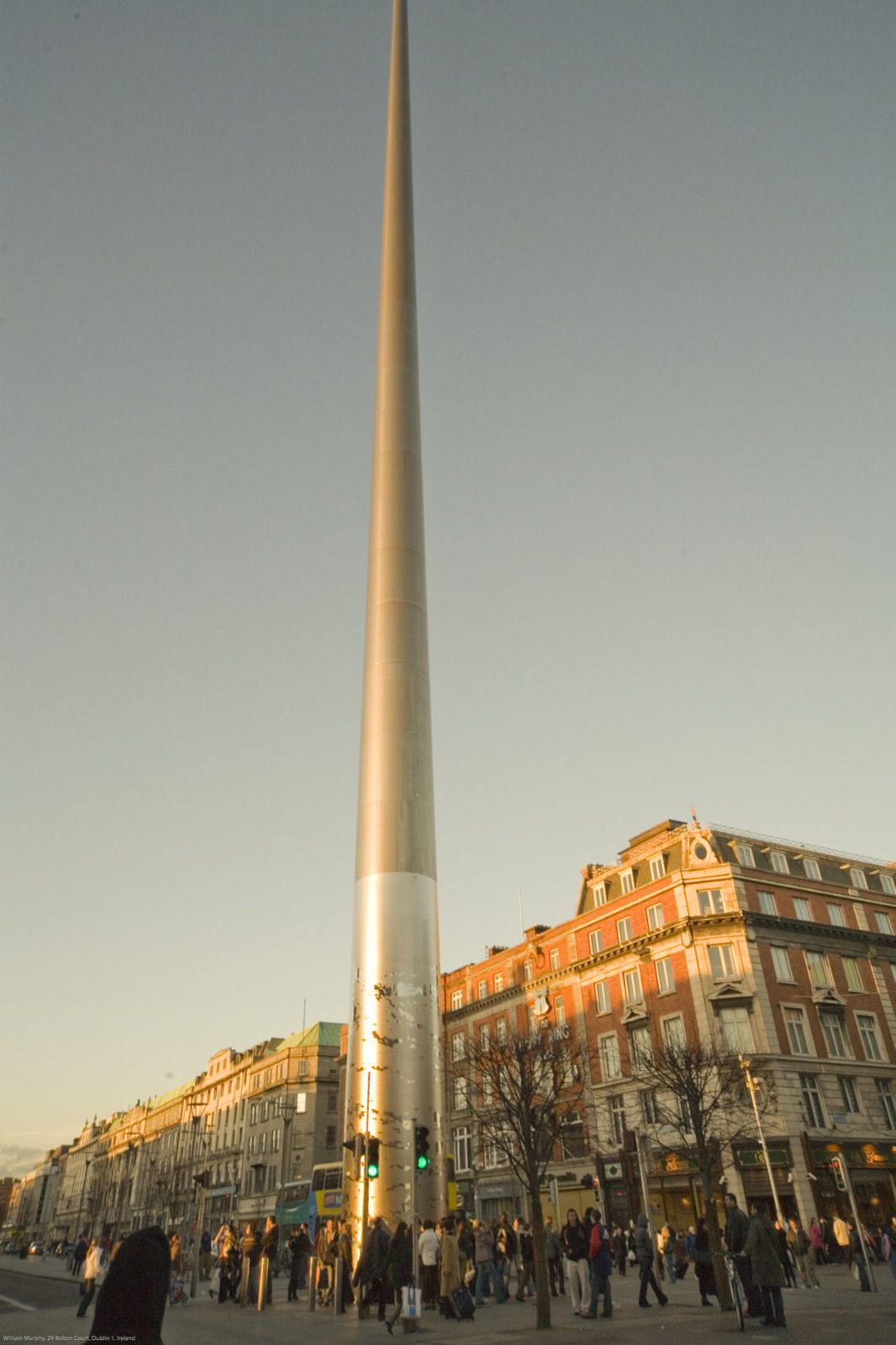
34 O'Connell Street Lower, Dublin 1
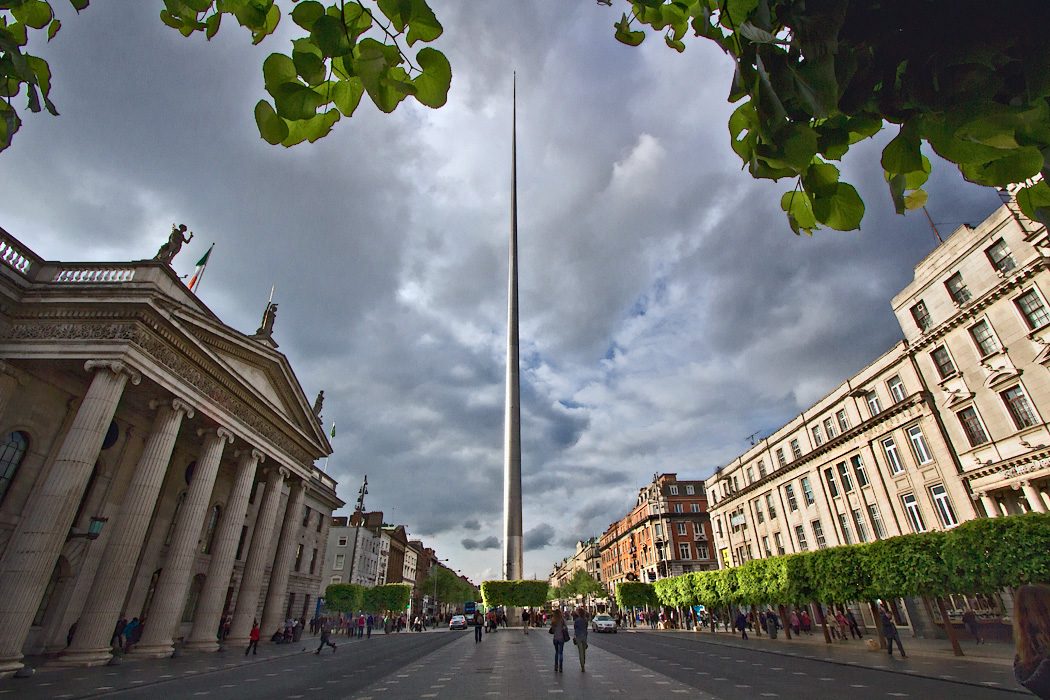
Located near the Spire, serving as a major departure hub.
Get directionsThe basalt columns predate every story told about them. They formed roughly 60 million years ago, when Palaeogene lava flows cooled and contracted into hexagonal joints along the Antrim coast. Human record begins far later. In 1692 the Bishop of Derry, William King, brought the site to scholarly notice, and in 1693 Sir Richard Bulkeley presented it to the Royal Society in London. Debate followed for a century: were the columns volcanic or precipitated from seawater? The Neptunist argument lost. Field evidence won. Documentation shaped the reputation. In 1739 the Dublin artist Susanna Drury completed gouache views of the Grand and Little Causeways, engraved in 1743 and circulated across Europe. Those images drew geologists, painters and the first organised visitors. Guides, sedan chairs and unofficial tolls appeared, and by the nineteenth century the crush of hawkers had become notorious. The Giant's Causeway Tramway opened in 1883 as the world's first hydroelectric tramway, running from Portrush and delivering crowds directly to the coast; it closed in 1949. Litigation over public access ran for decades until the National Trust acquired the headland in 1961 and cleared the commercial clutter. UNESCO inscribed the site as Northern Ireland's first World Heritage Site in 1986. A visitor centre burned down in 2000, leaving a decade of temporary huts, until Heneghan Peng's basalt-clad building opened in July 2012. That structure is what a modern tour from dublin to belfast and giant's causeway arrives at today, and its 16 GBP admission covers the Visitor Experience and parking while the stones themselves remain free to walk to. What survives is legible: the Grand Causeway, the Organ, the Shepherd's Steps with their 162 steps, the Finn MacCool legend recorded by antiquarians. Any tour from dublin to belfast and giant's causeway tickets purchased for coastal landmarks lead here. Book a tour from dublin to belfast and giant's causeway tour early; the 09:00–11:00 window suits the columns best, and Belfast day tours to the Antrim coast fill quickly. Comparable tour from dublin to belfast and giant's causeway tours have run this route since the tramway era.
Palaeogene lava flows cool and contract into the hexagonal basalt columns of the Antrim plateau.
Sir Richard Bulkeley presents the Causeway to the Royal Society in London, beginning its scientific record.
Susanna Drury's gouache views, engraved in 1743, circulate the site's image across Europe.
The Giant's Causeway Tramway opens from Portrush as the world's first hydroelectric tramway.
The tramway closes, ending direct rail-borne access to the coast.
The National Trust acquires the headland and removes the accumulated commercial stalls and tolls.
UNESCO inscribes the Giant's Causeway as Northern Ireland's first World Heritage Site.
The Heneghan Peng visitor centre, cut into the hillside, opens in July after fire destroyed its predecessor in 2000.
Stand on the lower level of these ancient basalt columns to capture the geometry of the hexagonal stones. This is a highlight of any tour from dublin to belfast and giant's causeway, offering a dramatic view of the waves crashing against the rocks.
This natural throne of basalt columns is polished smooth by generations of travelers. Visitors taking one of the popular tour from dublin to belfast and giant's causeway tours often stop here to pose and make a wish against the coastal backdrop.
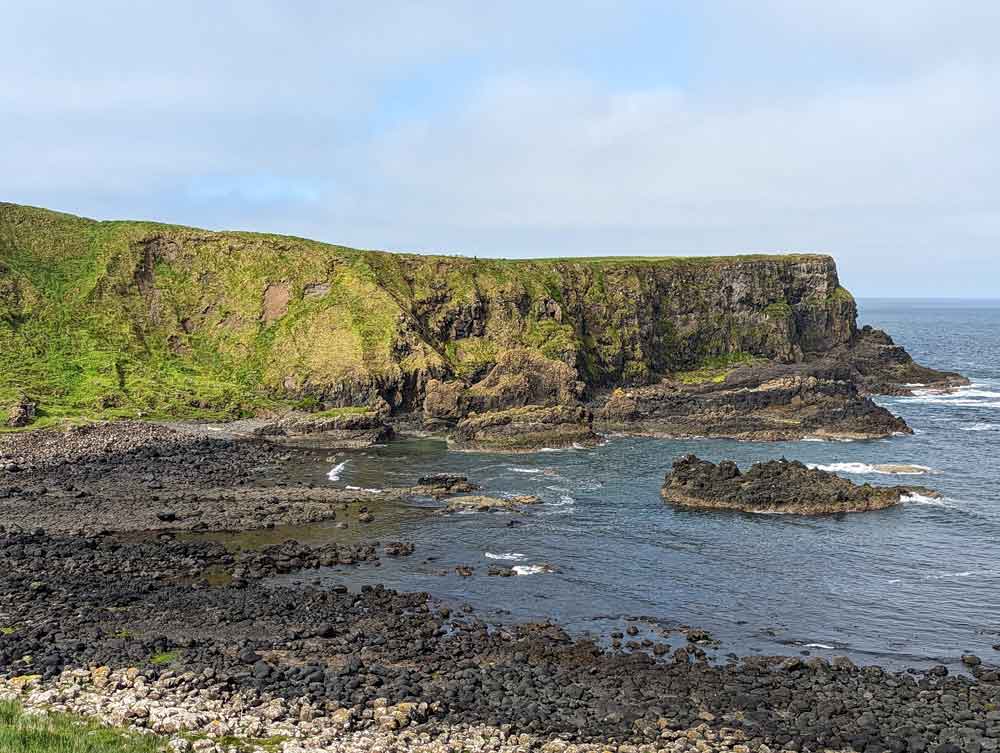
Capture the narrow gap where the trail passes through massive rock formations along the Antrim coast. It makes a perfect frame for the ocean when embarking on a classic Dublin to Belfast day tour.
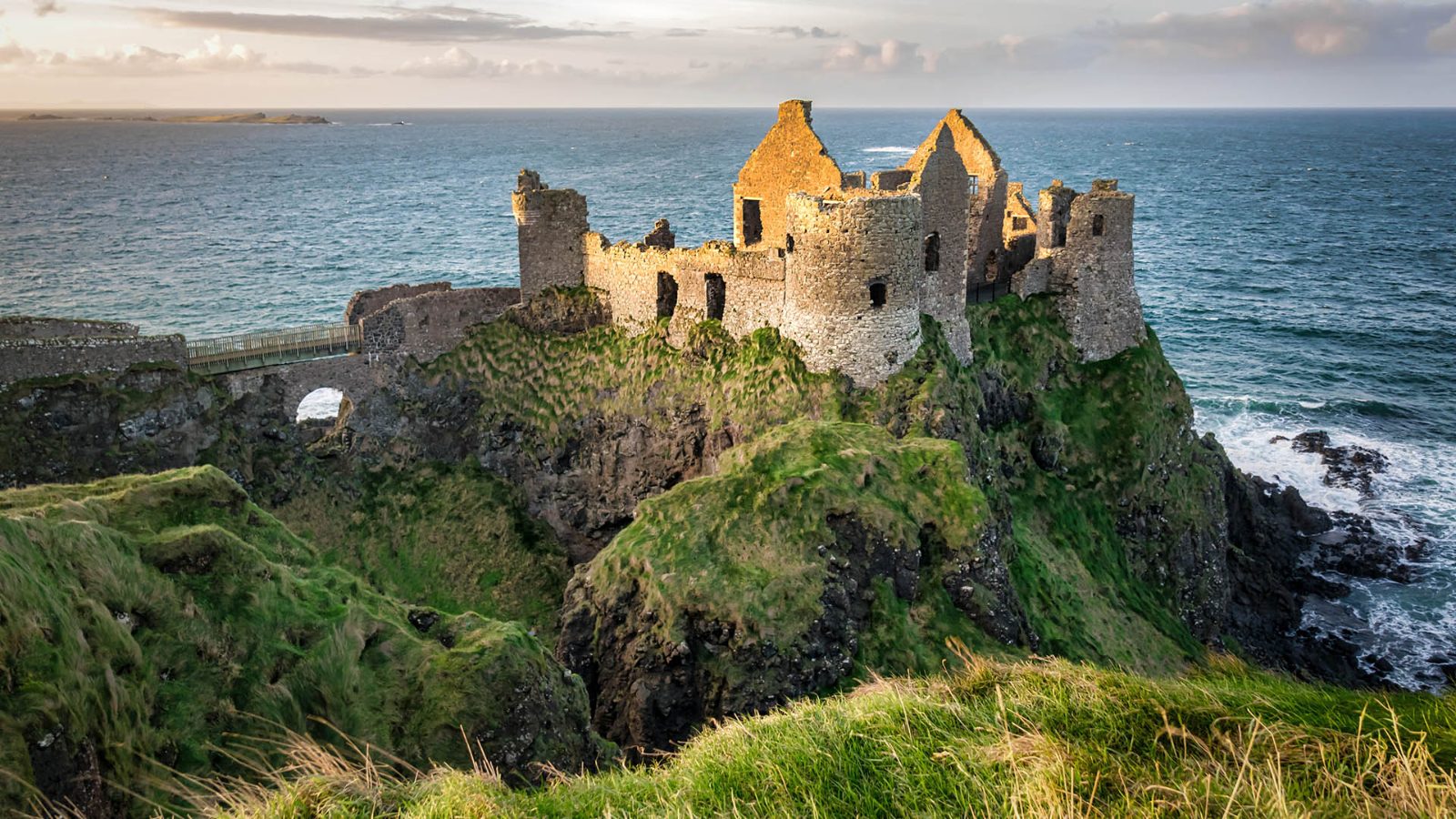
Set your tripod at the nearby cliffside viewpoint to photograph the medieval ruins precariously balancing over the ocean. Many travelers secure their tour from dublin to belfast and giant's causeway tickets in advance to ensure they do not miss this iconic site.
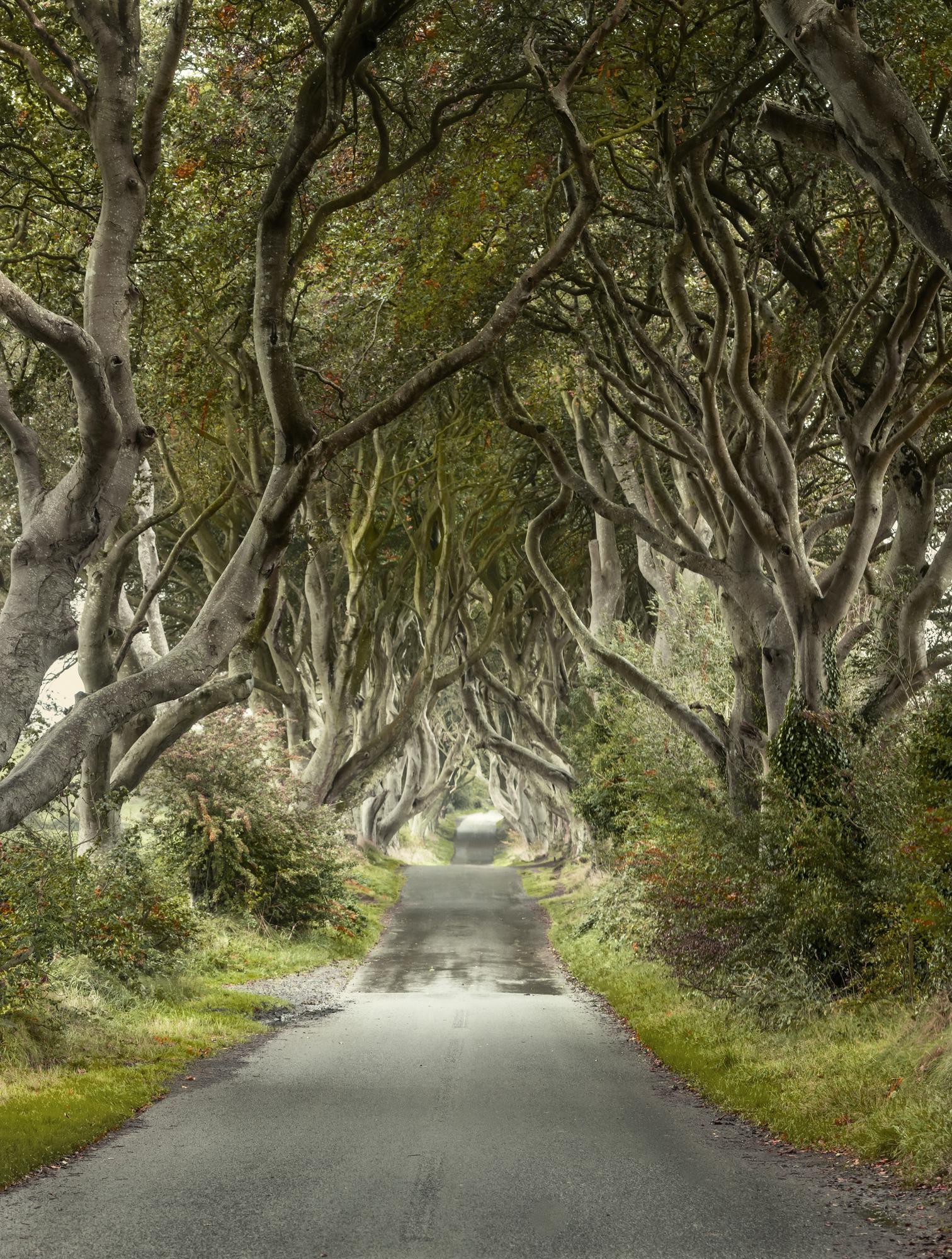
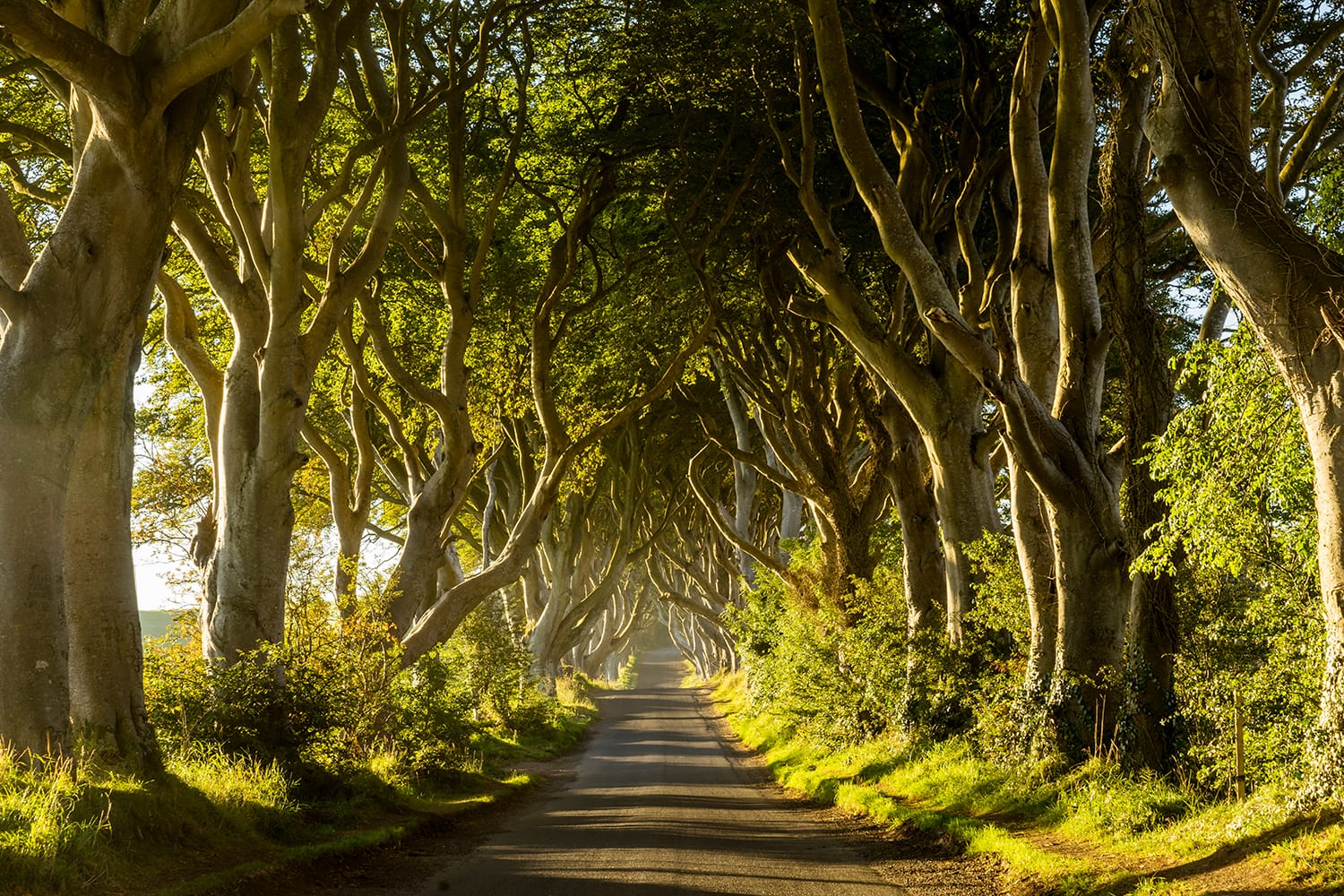
Use a telephoto lens from the southern end of the road to compress the perspective of the arching beech trees. Capturing the moody morning light here is a favorite activity during a tour from dublin to belfast and giant's causeway tour.
Embarking on a tour from dublin to belfast and giant's causeway is an exciting way to show kids both rich city history and otherworldly nature. Young children love exploring the massive basalt columns, while parents will appreciate the accessible trails and amenities at the site.
The paved Blue Trail leads directly down to the stones, but its steep incline makes pushing a pram back up challenging. Consider taking the on-site shuttle bus for the return leg, or opt for the clifftop Green Trail which is fully flat and stroller-friendly. Securing your tour from dublin to belfast and giant's causeway tickets ahead of time ensures hassle-free entry into the visitor experience.
The modern visitor centre features fully accessible toilets and a dedicated Changing Places facility equipped with height-adjustable tables. Parent and child changing spaces are located near the main entrance foyer, ensuring easy stops before heading down to the shore. If booking one of the structured tour from dublin to belfast and giant's causeway tours, you can use these amenities immediately upon arrival.
The coach journey from Dublin to the Antrim coast is long, so breaking up the trip with a stop in Belfast is ideal for stretching little legs. When you arrive at the coast, allow at least two hours to explore the stones without rushing. Choosing a high-quality tour from dublin to belfast and giant's causeway tour guarantees scheduled rest breaks that prevent mid-day meltdowns.
The visitor centre houses a grab-and-go café, but options are limited, so packing snacks and drinks for the road is highly recommended. For a sit-down meal, the nearby Causeway Hotel and local pubs in Bushmills offer family-friendly dining. A Belfast and Giant's Causeway day trip from Dublin provides plenty of opportunities to grab lunch during the urban portion of your itinerary.
Travelers booking a tour from dublin to belfast and giant's causeway will find convenient food options right by the basalt columns. A Belfast and Giant's Causeway day trip offers easy access to local bites directly on the Antrim coast.
Housed inside the main visitor centre, this café is ideal for visitors utilizing tour from dublin to belfast and giant's causeway tickets. Grab fresh daily-baked scones, warm sausage rolls, or a hot tea to warm up after exploring the basalt stones. Keep in mind it gets busy when large groups arrive.
Housed in a historic 1850s schoolhouse right at the entrance, this cozy spot serves hearty seafood and local favorites. It is the perfect stop during a tour from dublin to belfast and giant's causeway tour to sit by the fire. The outdoor terrace offers nice coastal views during summer.
Sitting just steps from the main visitor centre, this restaurant caters to those on a tour from dublin to belfast and giant's causeway tours. Enjoy a sit-down meal featuring local steaks, fish and chips, or a traditional afternoon tea. Booking ahead is recommended during the summer peak.
Everything you need to know for your journey
Most operators structure this day trip from Dublin to Belfast and the Giant's Causeway as a 12 to 13-hour excursion. This includes travel time and multiple sightseeing stops.
Typically, these tickets include round-trip coach transport, a professional guide, and free time to explore the stones. Entry to the Belfast Titanic Experience or local shuttle buses may cost extra.
Yes, the coaches used for this journey are usually equipped with onboard toilets. Regular comfort stops are also scheduled along the way.
Children are welcome on the trip, but the long travel hours can be tiring. Families visiting the Giant's Causeway should monitor kids closely near the steep cliffs.
There is no formal dress code, but flat, sturdy walking shoes are highly recommended. The hexagonal stones at the Giant's Causeway can be very slippery.
Most standard packages do not include the 16 GBP Visitor Experience fee. However, walking down to the Giant's Causeway stones is completely free.
Most tour operators offer a full refund if canceled 24 hours in advance. Always check the specific cancellation terms of your selected provider.
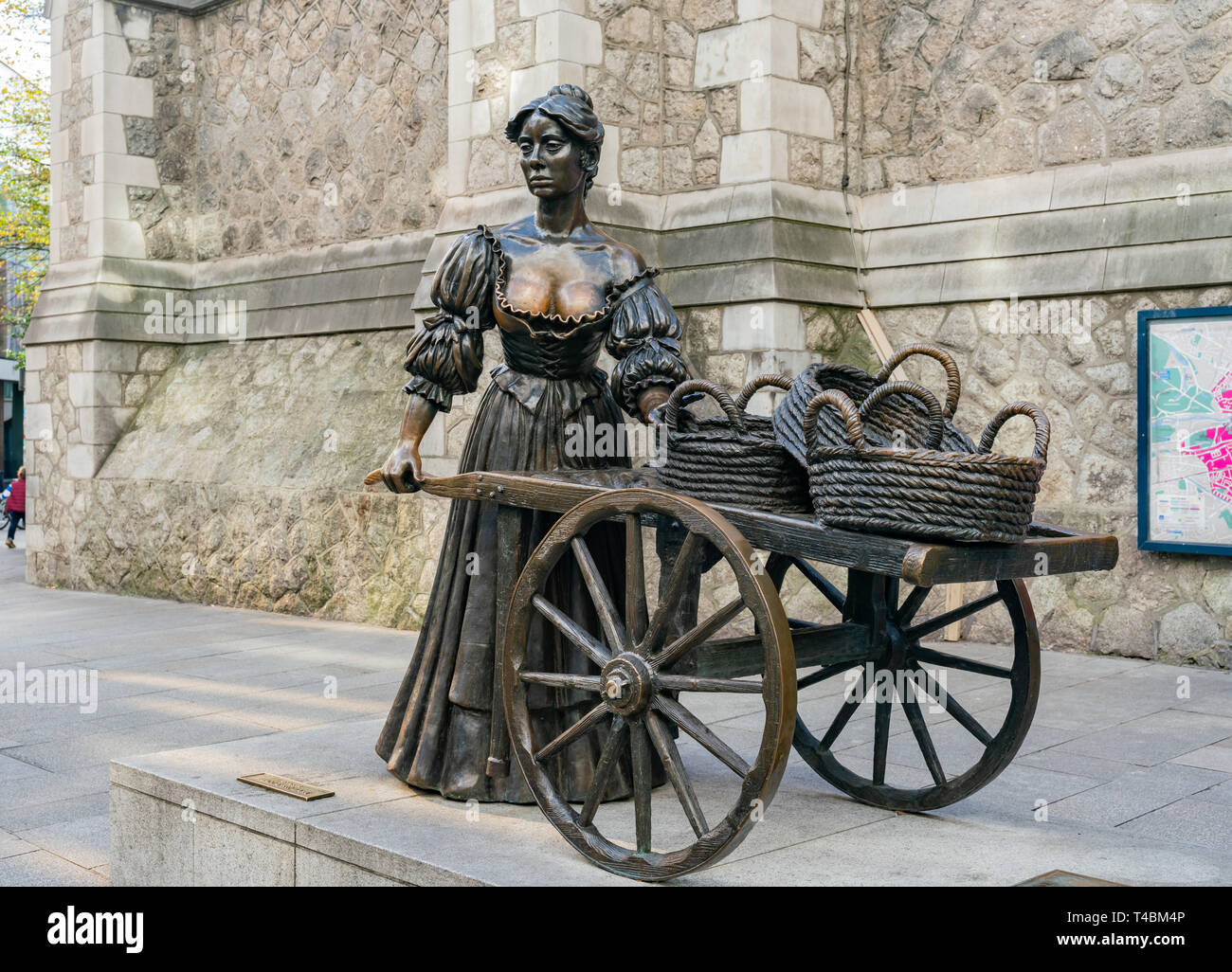
Tours typically depart from central locations in Dublin, such as near the Molly Malone Statue or the Spire on O'Connell Street, before heading to the Giant's Causeway.
Lunch is not included in the tour price, but the itinerary includes a scheduled stop in Belfast or Bushmills where you can purchase meals near the Giant's Causeway.
The ruins of this medieval castle sit dramatically on the edge of a basalt cliff. It was built in the 16th century and served as the seat of the McDonnell clan.
An avenue of ancient beech trees planted in the 18th century to frame Gracehill House. It is famous globally as the Kingsroad from Game of Thrones.
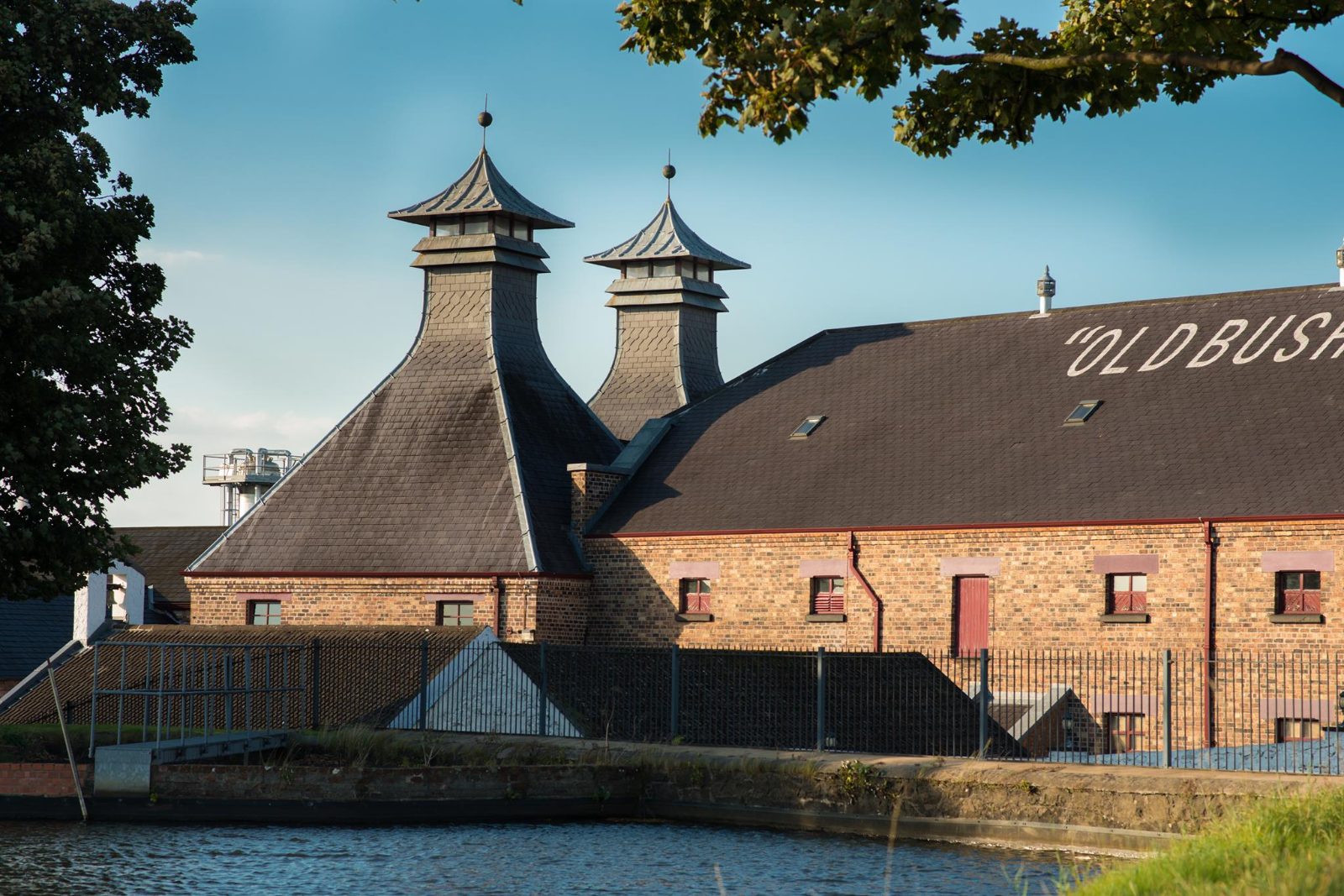
The oldest licensed whiskey distillery in the world, operating since 1608. Visitors can explore the historic buildings in the nearby town of Bushmills.
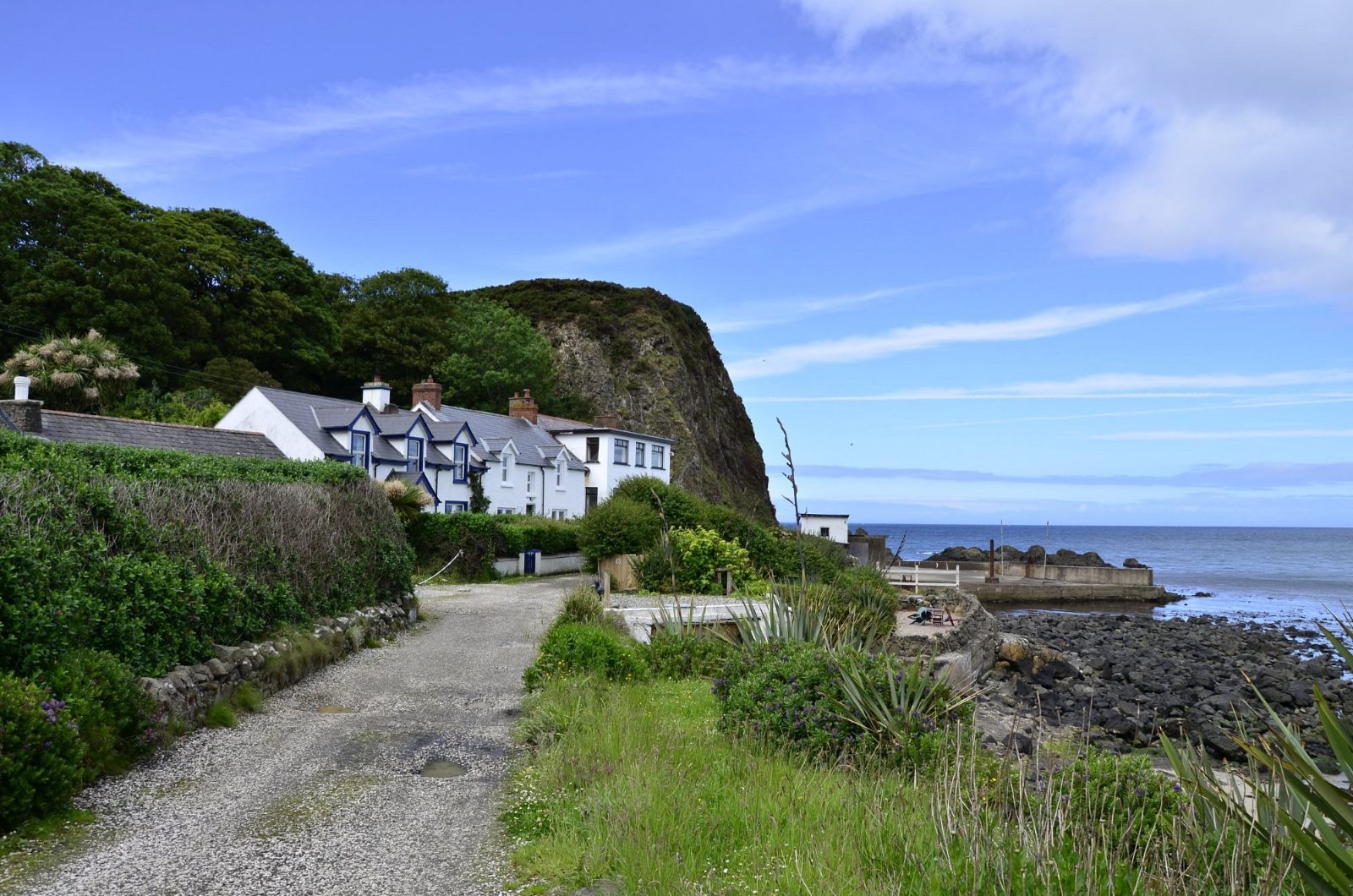
A tiny, picturesque fishing hamlet nestled under the cliffs along the Antrim Coast. It features a quaint slipway and views over Whitepark Bay.
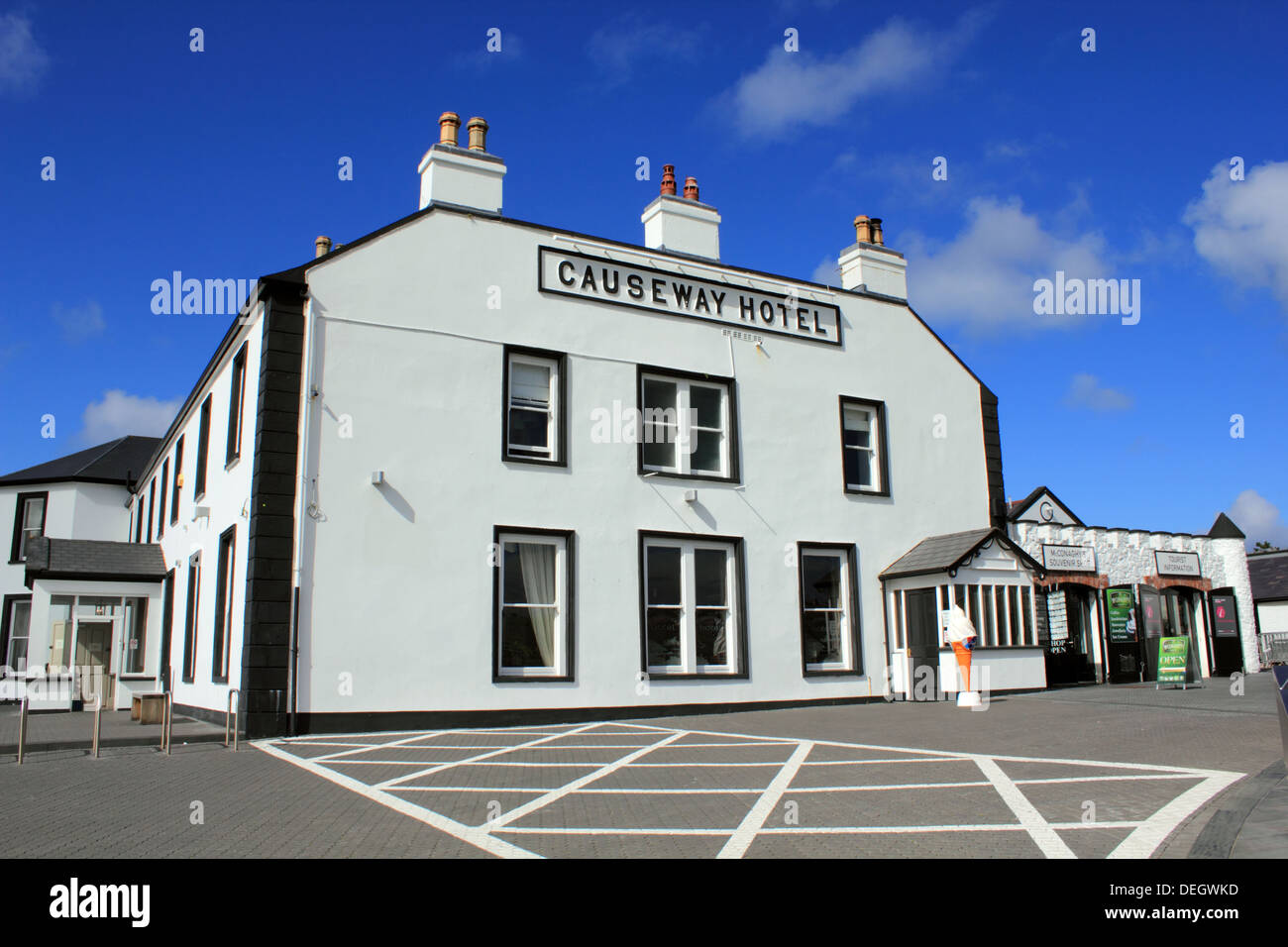
A historic hotel situated right next to the Giant's Causeway Visitor Centre. It features comfortable rooms and an on-site restaurant overlooking the coast.
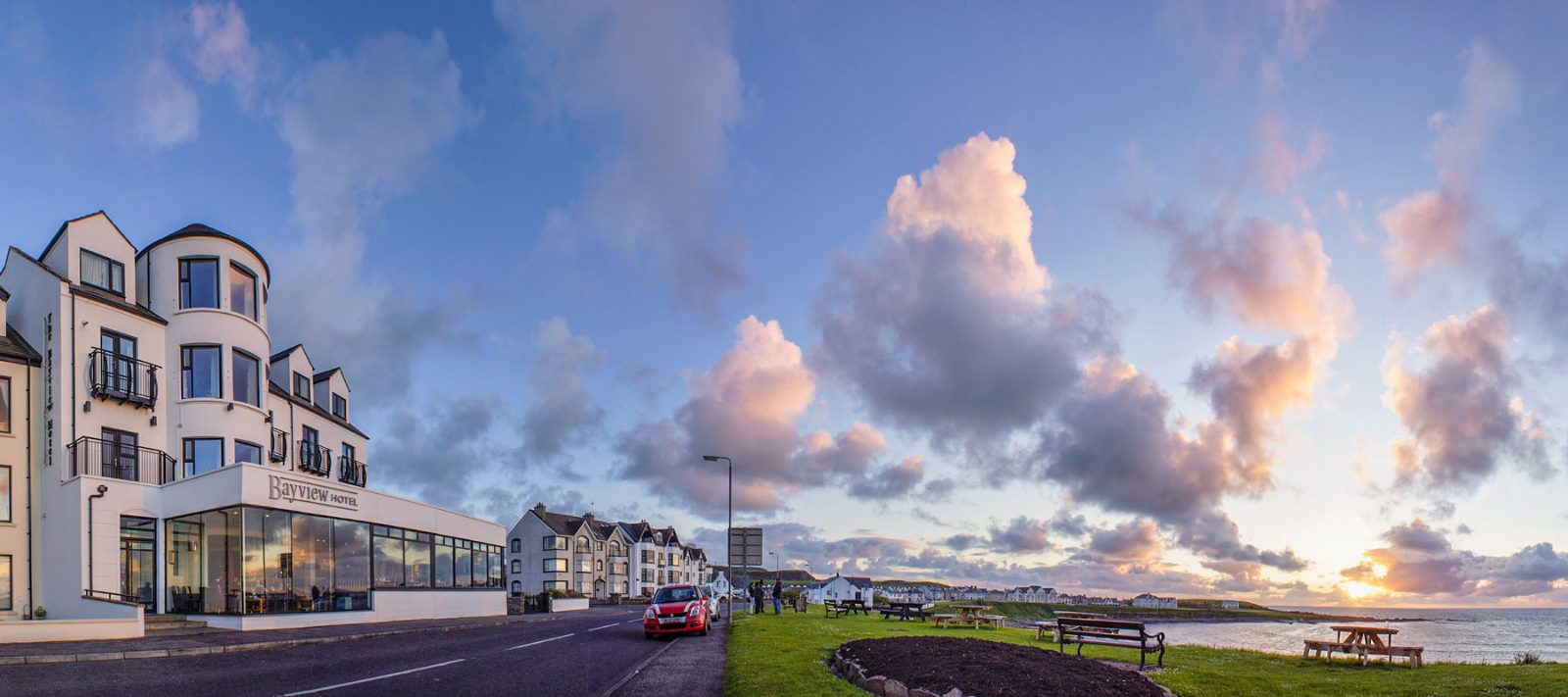
Located in the nearby seaside village of Portballintrae, offering views of the bay. It features modern amenities and a highly-rated restaurant.
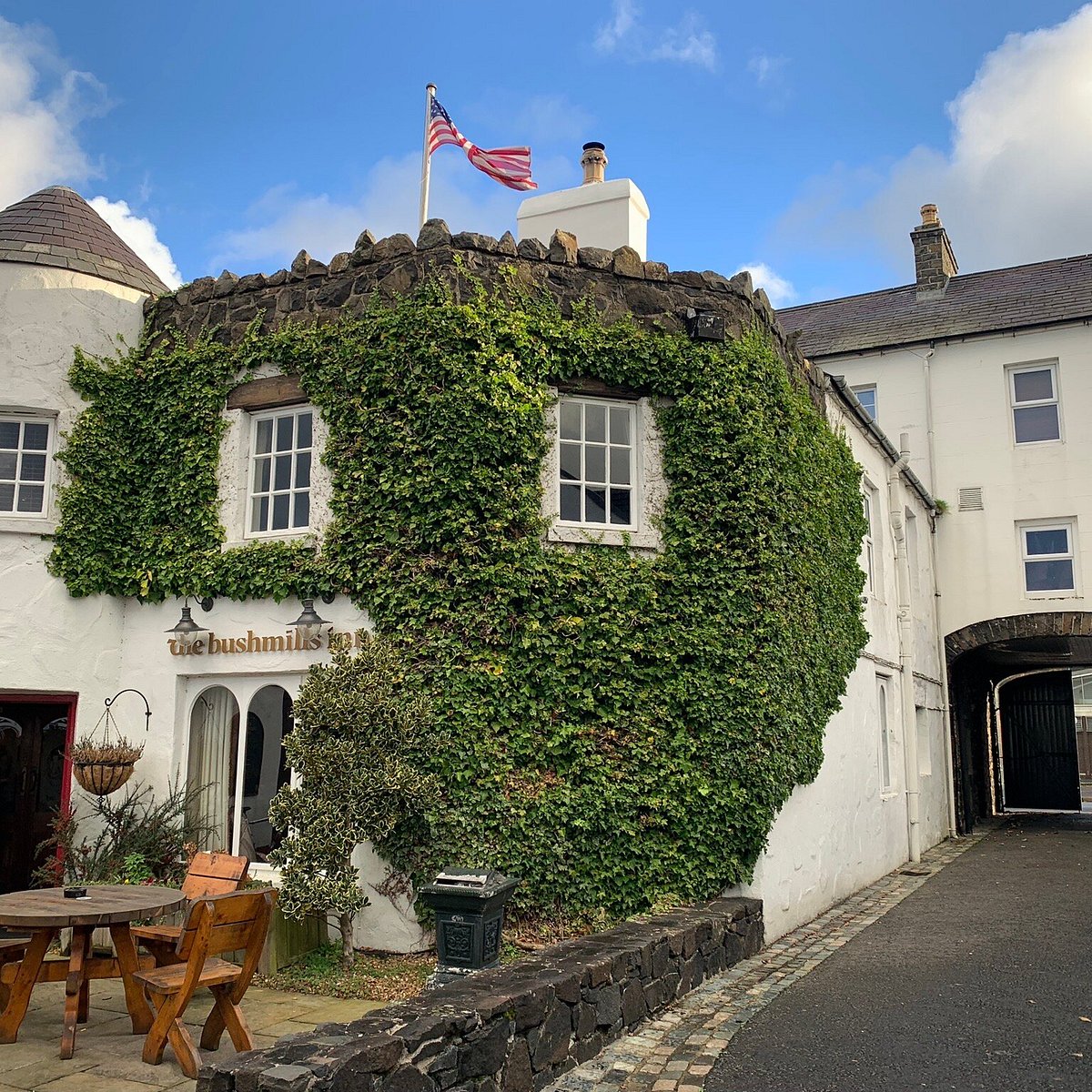
A beautifully restored 17th-century coaching inn in the heart of Bushmills. It features open peat fires, a private cinema, and boutique rooms.
Join thousands of happy travelers who have discovered this incredible experience
Book Your Experience Now